


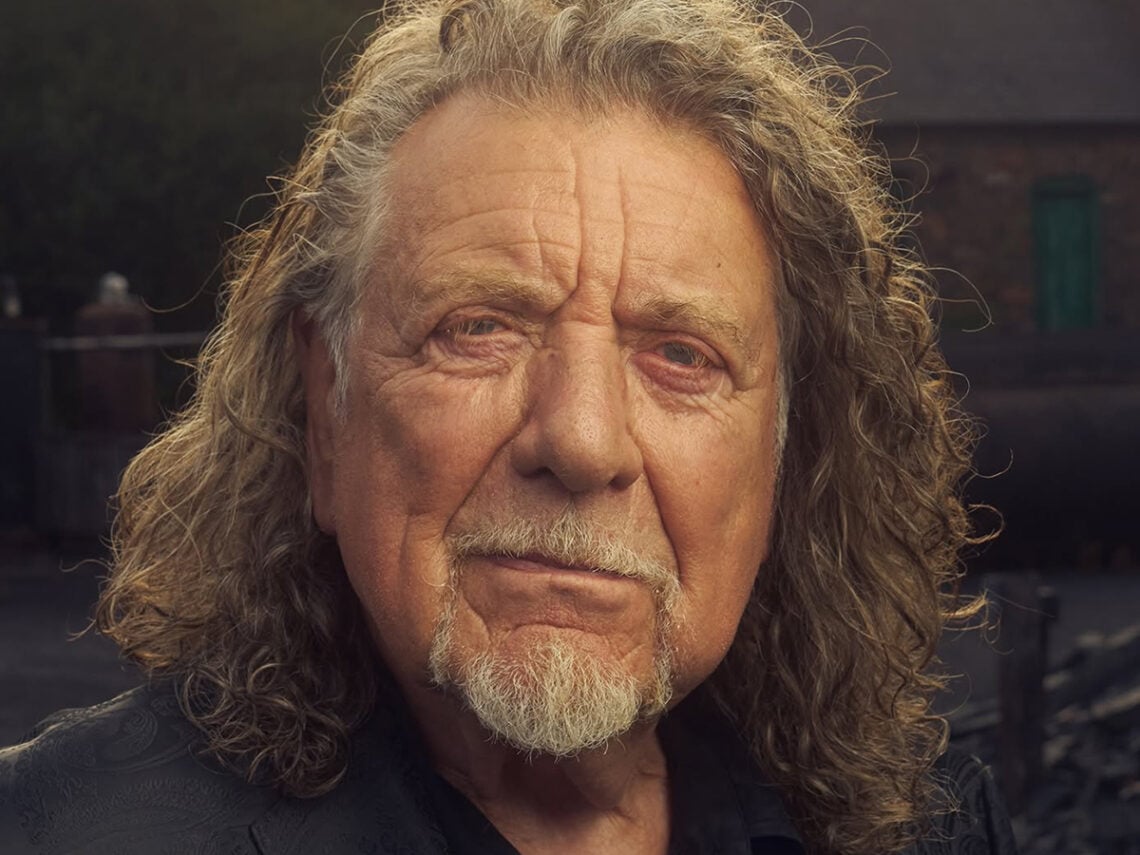
The producer Robert Plant crowned as “the real deal”

They say you can’t teach an old dog new tricks, but even in the 2000s, Robert Plant was discovering novel things and approaching his craft with all the zest of a youngster who was new to the world of recording and releasing music.
His Grammy Award-winning 2007 album with Alison Krauss, Raising Sand, was something of a revelation for Plant, giving him well-deserved recognition within a contemporary sphere that hadn’t been present in his career for some time. Not only was this the first album he’d released in decades that received this level of acclaim, but the entire process of making the record at the Sound Emporium in Nashville appeared to have a rejuvenating effect on the singer.
The compound on which the studio is situated, right in the heart of the so-called ‘Home of Country Music’, saw plenty of other notable figures from the music industry roaming around at the same time as Plant was present for the creation of the album. Despite his stature as a legend in his own right, being in such illustrious company all the time and being able to take advantage of the facilities and fellow guests turned the former Led Zeppelin frontman into a proverbial kid in a sweet shop.
So many of the elements of Raising Sand and its creation were completely new to Plant, such as recording vocal duets, and this gave him a newfound sense of creative freedom that he’d never been able to explore previously. The chemistry between him and Krauss across the record is electrifying and immediately demonstrates just how invested in the project he was, but it also presents Plant as an artist who wasn’t anywhere near losing that spark that had kept him going in the earlier portions of his career.
Plant clearly had the time of his life working on Raising Sand, and the result is demonstrative of just how enjoyable the entire process was for him, but despite the collaboration with Krauss and the inviting surroundings of the Nashville studio complex, there was one contributor on the record who he felt as though he learned more from than anyone else involved.
In a 2019 interview with Record Collector, Plant proclaimed that working alongside acclaimed producer and session musician T Bone Burnett was the most valuable part of the experience, and that his contributions were not just integral to the record, but completely eye-opening even to Plant as a fellow veteran in the industry.
“T-Bone is the real deal,” he said, “I could sit back, listen, be a student, and learn. He was in LA, which is a 2,000-mile drive to Nashville. He got himself a Wells Fargo truck and filled it with antiquarian sound equipment, and another guy drove shotgun behind him. He set up everything as soon as he arrived.”

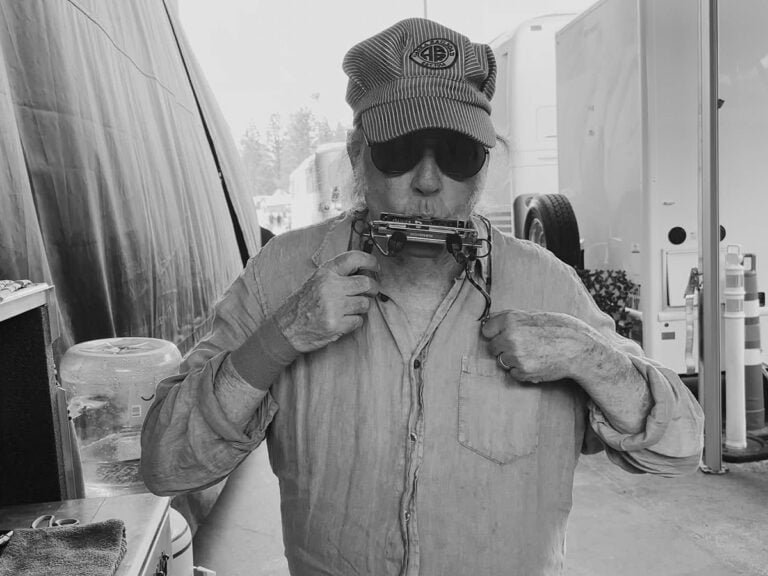

By this point, Burnett’s career already encompassed numerous highlights such as being a member of Bob Dylan’s backing band, writing celebrated film soundtracks and producing albums for icons such as Elvis Costello and Roy Orbison, so working alongside Plant was hardly going to be a challenge for someone with his experience. However, this consummate professionalism not only made the entire process a delight for Plant but an absolute breeze, with him having brought in a handful of songs pre-prepared for the duo to perform.
Raising Sand may have been a complete change of pace for Plant, whose status as one of the greatest rock vocalists may not have been easy to associate with the worlds of country and bluegrass prior to its release, but it stands tall as one of the greatest highlights of his post-Zeppelin career, and that’s largely thanks to the ingenuity of Burnett’s production driving Plant to tap into something new at the age of 60.

Never Miss A Beat
The Far Out Led Zeppelin Newsletter
All the latest stories about Led Zeppelin from the independent voice of culture.
Straight to your inbox.