


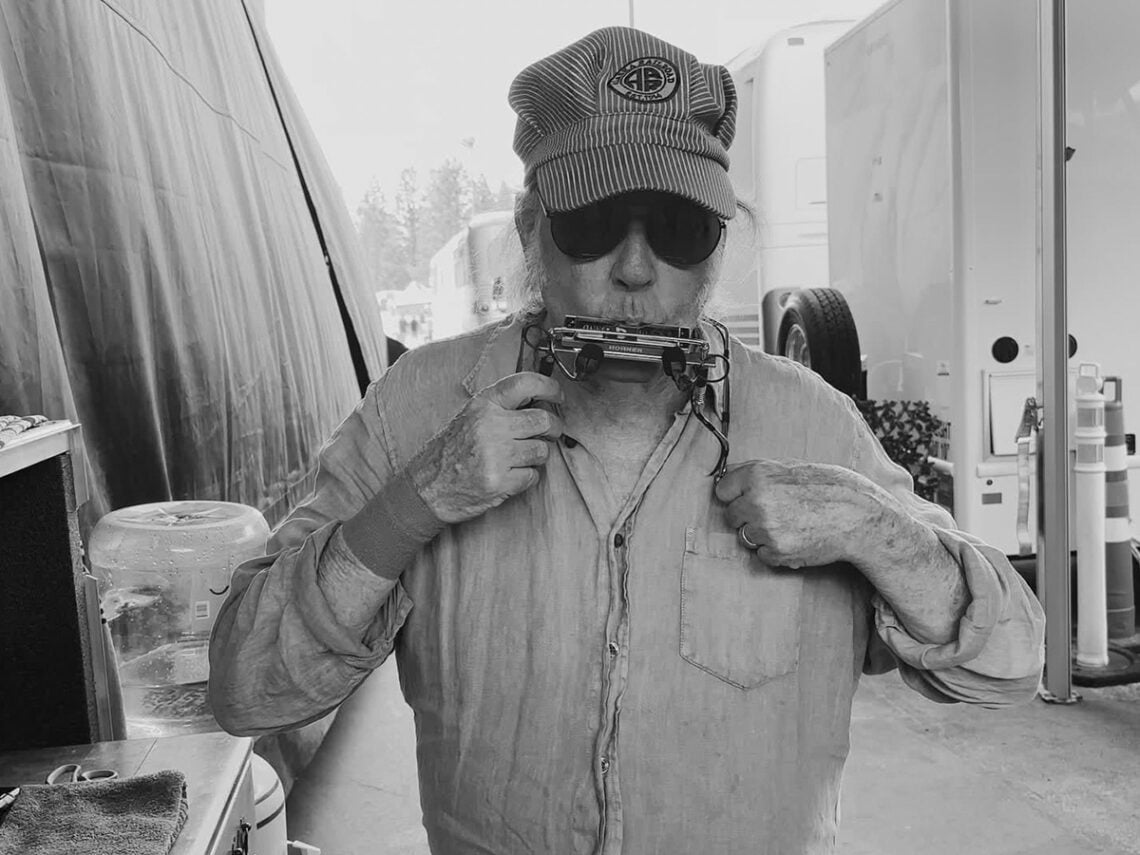
The most genuine 1990s musician Neil Young ever met: “Music is his religion”

I once had the pleasure of interviewing Graham Nash, and like so many journalists before me, I couldn’t resist asking him about his relationship with Neil Young.
His response? Well, a combination of well-rehearsed, but also pretty honest. He said that he was a huge fan of Neil Young’s authenticity, both when it came to writing music and playing live. However, he also admitted that such authenticity was often a double-edged sword, as while it made for great music, it also made for poor decision-making. Specifically, he spoke about how Young will happily cancel shows and bail on tours if he isn’t feeling like they’re calling out to him.
“I think Neil is very smart,” he said, “I do respect his connection with what he calls ‘the muse’ of his music. He follows that intently, and I understand that, and I respect that. One of the things I don’t quite like is all the people who surround him, all the stage technicians, all the sound technicians, all the lighting technicians, to have a tour for six weeks in the summer all of a sudden cancelled because of whatever reason Neil wants to cancel it, all of those people can’t find a job, because the rest of the touring family are already out and running.”
Nash continued, “Now what do they do? That’s one of the things about him being associated with the muse that I don’t respect at all. But he is an incredible musician, and I’ve always enjoyed being on stage with him.”
It’s true, Neil Young has always put authenticity and honesty at the heart of his music, even if that’s come to the detriment of both himself and others. For instance, the album Landing on Water is called as much because Neil Young hated how much his record label was trying to stop him from changing his sound. They wanted his albums to sound like classic Neil Young albums, and for the songwriter, this meant putting him in a situation that looked pretty dire.
“You see, the cover and the title of that album, it’s directions on how to survive an insurvivable thing: how to land on water, in a jet that’s crashing,” said Young, “The most ridiculous damn thing you’ve ever heard of. You’re really landing on water where there’s no clear floor underneath you: everybody dies. That title was there because I knew where that album was going. I knew the process and the thought behind the people who were putting the album out; what they wanted me to do.”
Neil Young didn’t just want authenticity in the music that he made, either, but he wanted it in the people he listened to. He wanted to listen to artists who were true to themselves, to their music and were constantly trying to put out records that were an honest reflection of the artist who made them. There are plenty of artists this line of thinking applies to, such as John Lennon, Bob Dylan and Joni Mitchell, each of whom Young has a history with. However, the artist he called the most authentic he had ever met was none other than Eddie Vedder.

Young described him as a “real guy”, adding, “He’s a unique kid. There’s nothin’ false about him. He’s a little unbelievable in his naïve ways, his openness, but it’s real. Music is his religion, that’s what he told me.”
The respect was mutual. Neil Young is often considered the ‘Godfather of Grunge’ because of how much of an impact he had on the likes of Vedder and other pivotal names within the genre. Both of their styles of musicianship certainly revolve around unwavering authenticity, which could potentially result in some musical mishaps, but equally, some of the best records ever put out.
