


The producer Rick Rubin crowned as the greatest of all time: “He didn’t even like rock ‘n’ roll”

There was never a conventional way to make a rock and roll record, whenever it came to Rick Rubin.
He wanted the opportunity to explore every single band that he worked with, and even when some of them weren’t exactly normal, he wanted to make the most of what caught his ear, whether that was working with Tom Petty, Run-DMC, Red Hot Chili Peppers, or System of a Down. He understood what made a great hook whenever it caught his ear, but some producers were far better at honing in on what a chorus should be compared to what Rubin was doing behind the board.
Since he didn’t know how to play any instrument all that well, Rubin was more of an ideas man whenever he stepped into the studio. While he couldn’t always articulate what Flea should be doing when working on a part for a Chili Peppers song, hearing him dictate how the bass should sound on a song like ‘Give it Away’ is perfect in the documentary Funky Monks, constantly telling him to pare things down until they land on that simple groove.
Because above everything else, Rubin wanted to make sure that the fans were happy at the end of the day, and that meant keeping things simple. No one was playing arenas because of their complex choruses and constant metre changes, so the best way to fill up massive venues was to leave a lot of space. That’s what Rubin’s favourite bands like AC/DC did, but the Young brothers weren’t quite whipped into shape until Mutt Lange started working with them on Highway to Hell.
That’s not to say that George Young didn’t do a good job producing them, but Lange wasn’t looking to settle for good enough whenever working on a record. He was trying to find those few moments that captured a bit of magic, and even if it meant the guitars and drums playing in lockstep with each other every single time they performed, that’s what he was going to wait for whenever mixing one of his records, whether that was the Aussie rockers or working with Def Leppard.
And while every producer needs that kind of discipline, Rubin felt that the eclectic side of Lange is what appealed to him the most whenever he heard his records, saying, “The experience of having done rap or any kind of black music makes the rock records that much better. That was the case with ‘Mutt’ Lange. When he produced AC/DC, he’d only produced R&B music before. He didn’t even like rock ‘n’ roll. And he’s since gone on to become probably the greatest rock ‘n’ roll producer of all time.”
If you look at how Lange has worked, though, his strong suit was always in finding hooks rather than worrying about what genre he was in. Some of the biggest names in R&B would have been glad to work with him, and even though he has so many moments in his career where he’s created rock and roll masterpieces, his ear for hooks is what led to him becoming one of the biggest pop producers as well, working with everyone from Maroon 5 in the 2000s to making the best pop country with Shania Twain.


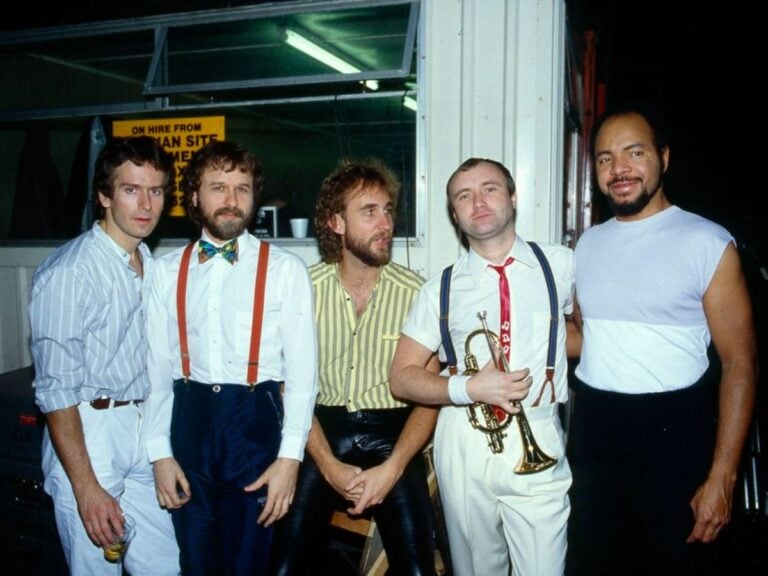
He didn’t care about what genre he was working with, and neither did Rubin when he first started making music. As far as both of them were concerned, the label didn’t matter so long as the song was good, and looking at Rubin’s career, that’s half the reason why he was the perfect person for everyone from Beastie Boys to The Chicks to Johnny Cash to Linkin Park whenever he worked behind the board.
There was nothing off the table when working on a great song, and while Rubin was much more interested in rap at first, Lange was there to remind him that it was never a good idea to box yourself into one genre. As long as the hook kept people coming back, Rubin figured that he could work with nearly anybody if they came up with the kind of music that could hit people right in the chest.
