


The 1971 Jethro Tull song that remains so relevant today, according to Ian Anderson

Like so many bands that tend to think outside the box, Ian Anderson and Jethro Tull have cited Led Zeppelin as inspirations.
While they may not have had very similar lifestyles, and their time on the road together was relatively separated, the respect among musicians was undoubtedly there.
“I think what they showed to all their peer group as musicians was that there was, first of all, a very powerful and dramatic way to perform simple, direct rock music and also to introduce elements of more eclectic music,” said Ian Anderson when discussing the influence of Zeppelin. “Because Zeppelin, near the beginning, there were a lot of elements of folk music, and Asian music, and African music that crept into their stuff.”
It has to be said that when it comes to making music that doesn’t fit within one specific genre, no one does it better than Jethro Tull. A relentless work ethic paired with complete creative freedom means that when you skim through their discography, you rarely come across any two songs, let alone albums, that sound alike.
“Jethro Tull and Led Zeppelin did share that same interest, even passion, for music that was not the normal stuff of rock and roll,” Anderson noted. “And perhaps they, too, were influenced in some ways by what influenced me: Indian music, Mediterranean music, and British folk music.”

That willingness to absorb ideas from outside traditional rock music became one of the defining characteristics of progressive rock during the late 1960s and 1970s.
Rather than viewing genres as fixed boundaries, bands such as Jethro Tull and Led Zeppelin treated music as something fluid, borrowing textures and instruments from cultures around the world to expand the emotional range of their work. In Anderson’s case, the flute itself became symbolic of that approach, introducing a pastoral and folk-inspired quality rarely heard in hard rock at the time.
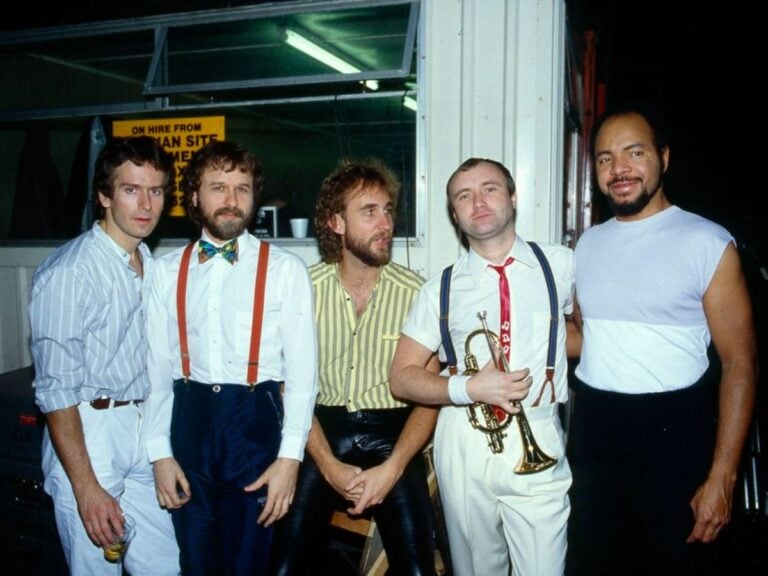


It is also part of why Jethro Tull’s catalogue has remained so difficult to categorise decades later. Across albums like Thick as a Brick, Songs from the Wood and Aqualung, Anderson constantly shifted between satire, social commentary and elaborate musical experimentation without settling into one recognisable formula. While many bands spent their careers refining a single sound, Jethro Tull thrived on unpredictability, with Anderson’s restless curiosity driving the group into increasingly unusual territory.
Jethro Tull needed more than just to see that versatility in music worked before they started to make such a plethora of different styles of music, though. It also required a broad approach to music, which Anderson has always had. Regardless of what point in his career he was at, Anderson was constantly listening to new music and finding different styles and sounds that he could get excited about.
This is best reflected in the fact that when Anderson was asked to name some of the records that changed his life, he immediately said that he had no interest in naming only albums he heard when he was younger. “When you’re talking about records that are ‘life-changing’, to use that term, you’re usually talking about pieces of music that you heard in your youth,” he said. “But I’m one of those people who never stops listening to new things, so happily, there are some recordings that have had a dramatic impact on me in later years.”
Despite having such an open mind regarding music, not just different styles but from different eras, even Anderson had to acknowledge that some songs and albums are completely timeless. One of these was his own, ‘Aqualung’, which, despite initially being released in the 1970s, is still considered a poignant classic amongst music lovers.
Anderson spoke about why he believes the deeper meaning of the track still resonates. “I believe the sentiments of the song are as obvious now as they were in 1971 because the issue of homeless people hasn’t gone away,” he concluded. “You still see them everywhere. In the 1950s and ’60s, we called them tramps, but they were harmless. Now, as so many are on the streets due to drug problems or sexual exploitation, it has become, if anything, more worrying. All of which makes ‘Aqualung’ so relevant.”
