


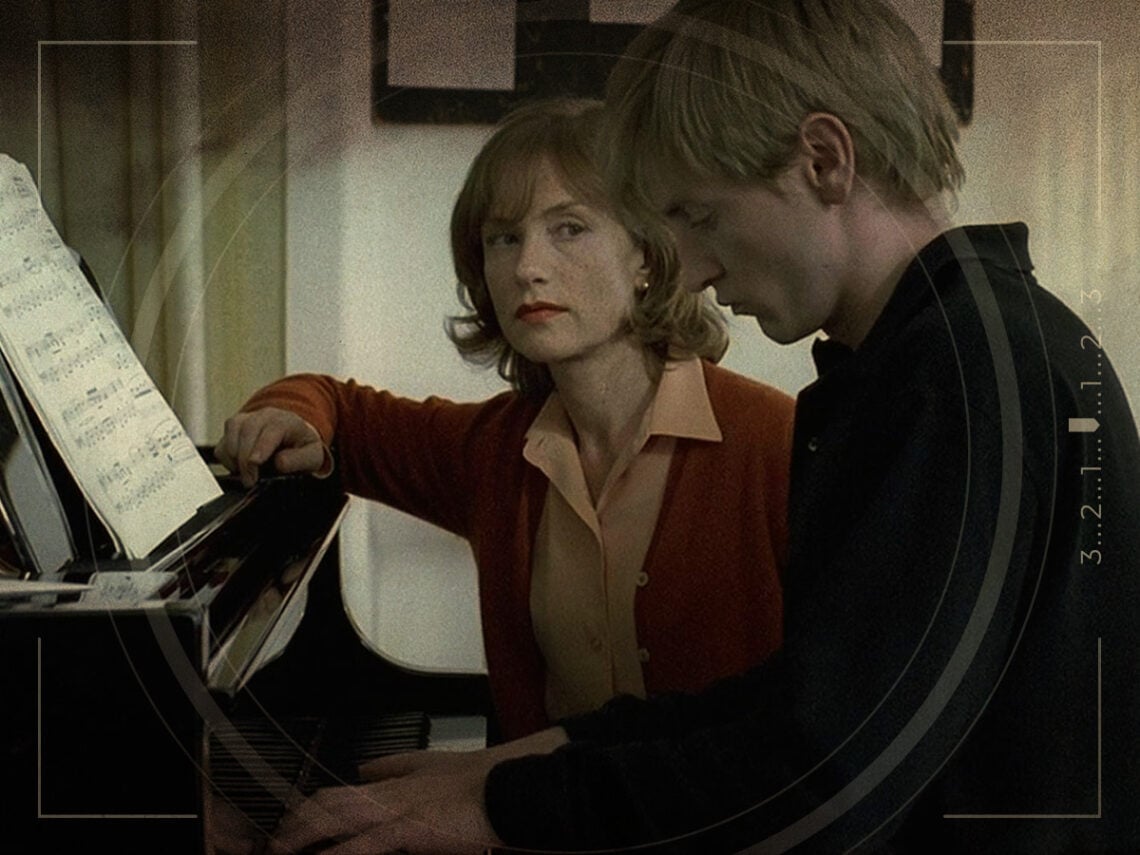
‘The Piano Teacher’: Isabelle Huppert and a performance that changed cinema forever

Isabelle Huppert has been described as one of the greatest actors of all time, known for playing morally ambiguous and sometimes cruel women, frequently starring in the work of directors like Claude Chabrol, Michael Haneke and Joachim Trier. As one of the leading performers in European independent cinema, she has become known for her emotional intensity and dense complexity that she brings to often unlikable characters, inspiring the likes of Nicole Kidman when fleshing out the interiority of similarly conflicted characters.
However, while she has altered the course of cinema forever through her bold collaborative relationships with the world’s most influential auteurs, one performance of hers has continued to be recognised above all the others, remaining one of the most demanding and psychological performances of all time.
Michael Haneke has created a unique legacy for himself over the years through his jarring and unsettling films, disturbing audiences through his bleak style that often focuses on the darkest aspects of humanity. Often exploring our relationship to violence, uncertainty and trauma, the director has an overwhelmingly cynical tone that leaves you desperate for any semblance of hope, forcing our gaze towards inhumane acts of brutality and terror to comment on broader social issues.
While he is known for films such as Cache, Funny Games and Amour, Haneke is perhaps most critically recognised for his infamous collaboration with Huppert on the 2001 film The Piano Teacher. It follows the life of a sexually repressed piano teacher who lives with her mother, who finds herself being romantically pursued by one of her students.
Huppert’s performance is completely fascinating due to the millions of contradictions that she infuses into the character of Erika, creating someone who is layered and difficult to understand, making decisions that seemingly oppose her strict values and worldviews. She is deeply troubled and neglected, living a life to please other people and possessing no freedom of her own. It is because of this that she fantasises about extreme sexual situations, manifesting due to her ability for complete freedom and to do something that goes against her rigid way of living.
Every single one of Huppert’s decisions is fleshed out and explored to the fullest, from her physical mannerisms and way of walking to her steely precision as she cuts herself over the bath. When you look closely, you realise that Huppert is rarely ever blinking, another tiny detail that draws you closer to her character and unnerves you in the most subtle of ways, unable to take your eyes off her.
It is a brutal and unflinching exploration of abuse and how this manifests in Erika’s sexual identity, with the film ending in a devastating way after she discovers that the kind of freedom she yearns for will never be possible, with the man who expresses interest in her eventually exploiting and assaulting her, showing that even the type of sexual interaction she craves cannot be on her own terms and she will never have true agency. It is one of the most incisive performances of all time and has forever changed how people view the art of acting and raised the bar to staggering heights for other artists.
