

Craig Roberts discusses the strange experience of meeting Arctic Monkeys frontman Alex Turner for the first time
Read More


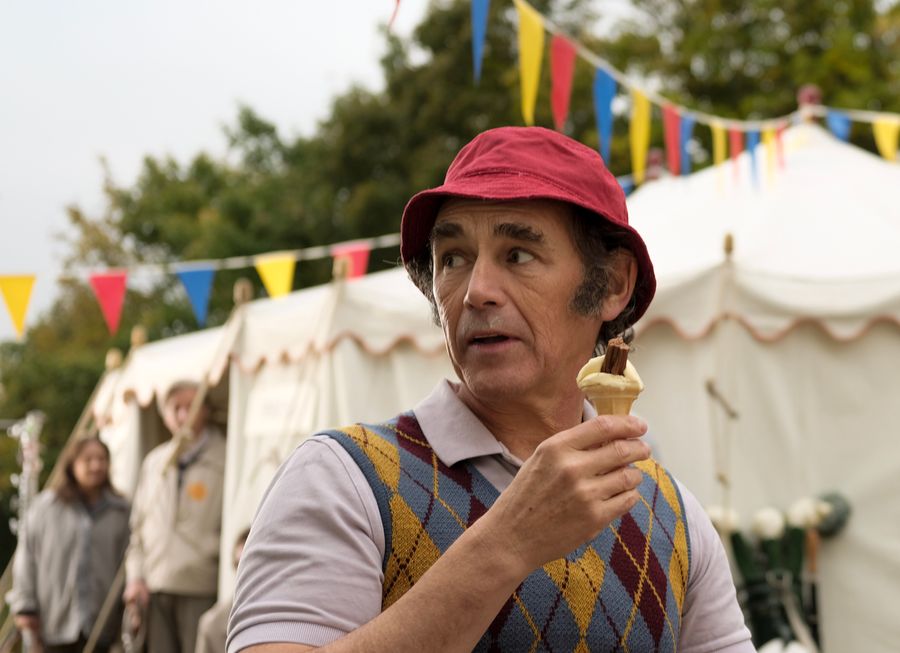
The British actor and director Craig Roberts has come a long way since his time in the dumping ground of The Story of Tracy Beaker on CBBC, with the Welsh creative now rolling with the finest talent on the Hollywood circuit. Dropping his performance on screen for a career behind the camera, Roberts directed his first film at the mere age of 24, releasing Just Jim in 2015 and followed this up with the noble effort Eternal Beauty in 2019, before taking on The Phantom of the Open, his most ambitious and impressive project to date.
Taking place in Barrow-in-Furness, a quiet corner of Northern England, the film tells the remarkable true story of Maurice Flitcroft, an optimistic man who decided to down tools operating cranes to pursue success at the British Open Golf Championship, despite never playing the sport in his life. Successfully travelling to the competition, Flitcroft was allowed to compete through his own admission of being a “professional”, subsequently shooting the worst round in the Open’s history.
Becoming a folk hero and icon of blind optimism, the story of Flitcroft inspired golfers across the world and remains one of the most peculiar and surprisingly inspiring sports stories of all time. If King Richard depicts the physical and emotional toil necessary for the American dream, The Phantom of the Open represents a British counterpart, with success coming through persistence, plucky courage and a large dose of self-deprecation.
With a gleaming white grin and fragile grey hair, Mark Rylance transforms into the subversive golfing icon whose spirit envelopes the film, creating an overwhelming mood of loving positivity that provides the film with its surprisingly strong backbone. Bringing the real-life personality to life, Rylance does well to not overshadow the importance of the character with his own performance, delivering a subtle act that works well to humble the otherwise larger-than-life individual.
With significant thanks to Rylance, The Phantom of the Open becomes an utter joy to behold, telling an uplifting tale of optimism and positivity in Flitcroft’s persistent efforts to repeatedly appear in a sports competition way above his league. The true story certainly speaks to a British sensibility that Roberts taps into well, celebrating how benevolence can trump snobbery and how failure can be bottled as a potent lesson in success.
Penned by the Paddington 2 screenwriter and comedian Simon Farnaby, The Phantom of the Open walks well-trodden ground with a sporting tale of success, failure, redemption and domestic turmoil, though manages to surmount such banality through the sheer glee of the central tale. Picking up some of the morsels of saccharine marmalade from Paddington’s melodrama, Roberts’ film defies identification as ‘another schmaltzy sports movie’ thanks to a careful balance of key ingredients.
Celebrating a sportsman who did nothing but fail, it’s difficult to recall another film of the genre that highlights the efforts of an individual who defied the very purpose of sport. In this Roberts’ film presents a subversive dynamic that thrives in its mere being. Needing little to bring the incredible story to life, it is Rylance’s central portrayal that carries the film, with his beaming style becoming the most memorable takeaway from a truly loving film.
