


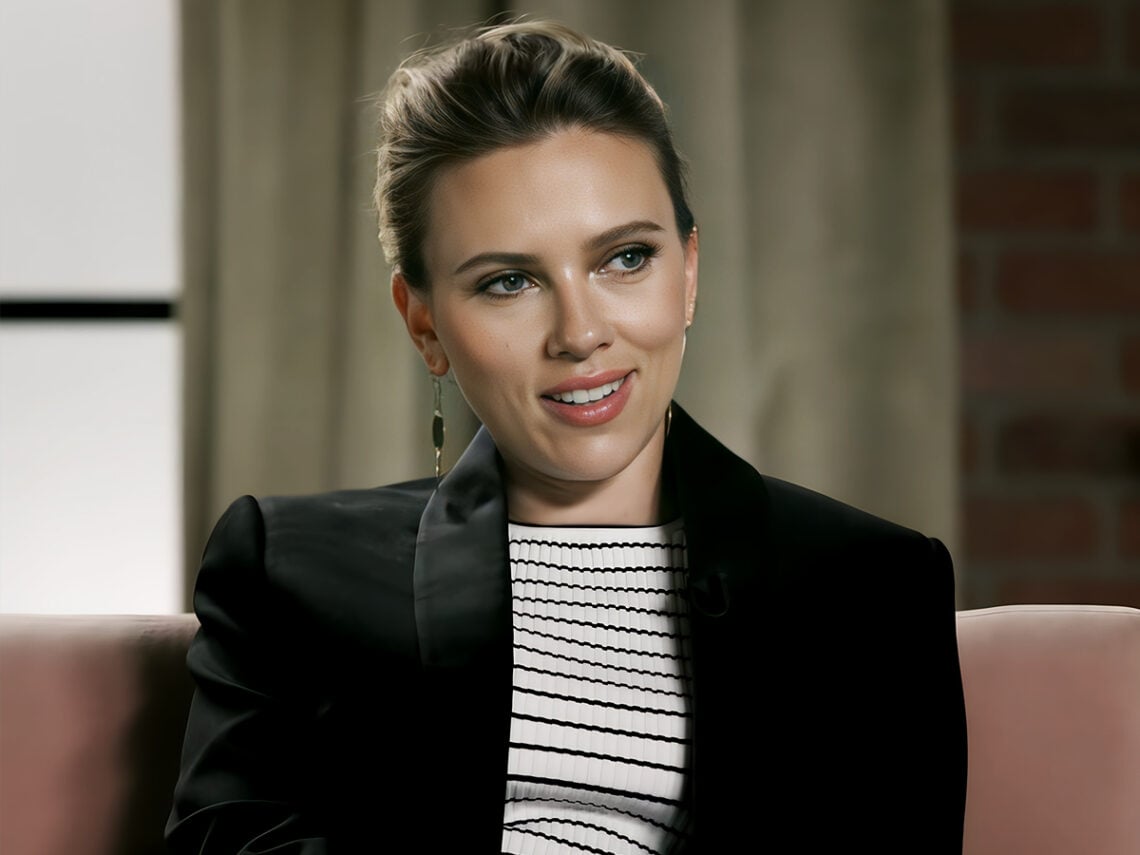
The hypersexualisation of Natasha Romanoff: Scarlett Johansson’s major problem with ‘Iron Man 2’

Scarlett Johansson has had a varied career full of surprises, with roles in huge blockbuster franchises such as The Avengers and daring independent projects like Under The Skin, Her and Lost in Translation that showcase her unique range. After starting out in the film industry as a teenager, Johansson quickly found her niche in Hollywood through bizarre projects like Ghost World, Girl with Pearl Earring and The Man Who Wasn’t There, often working with arthouse directors before her breakout collaboration with Sofia Coppola.
From this point onwards, the actor spoke about the challenges of being typecast, playing many characters that weren’t very fleshed out and often heavily sexualised. Whether it be her part in He’s Just Not That Into You, Vicky Cristina Barcelona or even Chef, Johansson went through a period in which her roles did not reflect the depth of her talent, which slowly began to change after her reclamation of weirdness when working with Jonathan Glazer in 2013.
But during her streak of playing heavily sexualised women, there was one role that most stuck out to her and remains one that she regrets.
Johansson is a key player within the Marvel universe, playing Natasha Romanoff in many iterations of the franchise. However, while the Avengers reached colossal new heights in recent years, she also reprised her character in the second Iron Man film alongside Robert Downey Junior and Gwyneth Paltrow. While she has spoken about her positive experience of filming this instalment to the superhero story, she has also expressed her conflicting feelings over the hyper-sexualised portrayal of her character.
When describing this, Johansson said, “…I mean, you look at Iron Man 2, and while it was really fun and had a lot of great moments in it, the character is so sexualised, you know? Really talked about like she’s a piece of something, like a possession or a thing or whatever — like a piece of ass, really. And [Tony Stark] even refers to her as something like that at one point … ‘I want some’ [says Tony] … and at one point calls her a piece of meat, and maybe at that time that actually felt like a compliment. You know what I mean? Because my thinking was different”.
While this attitude was more normalised during the 2010s, the actor has reflected on the changes within the industry and how this overt sexism is less pervasive in the movies. Johansson added, “Maybe I even would have, you know, my own self-worth was probably measured against that type of comment or, like a lot of young women, you come into your own and you understand your own self-worth. It’s changing now. Now people, young girls, are getting a much more positive message, but it’s been incredible to be a part of that shift and be able to come out the other side and be a part of that old story, but also progress.”
Given recent headlines, it appears as though some of the changes made in the film industry are somewhat hollow and performative. However, the roles for women are changing on-screen, and Johansson has been offered more creative substance in recent years, with Oscar-nominated performances in Marriage Story and Jojo Rabbit.
