


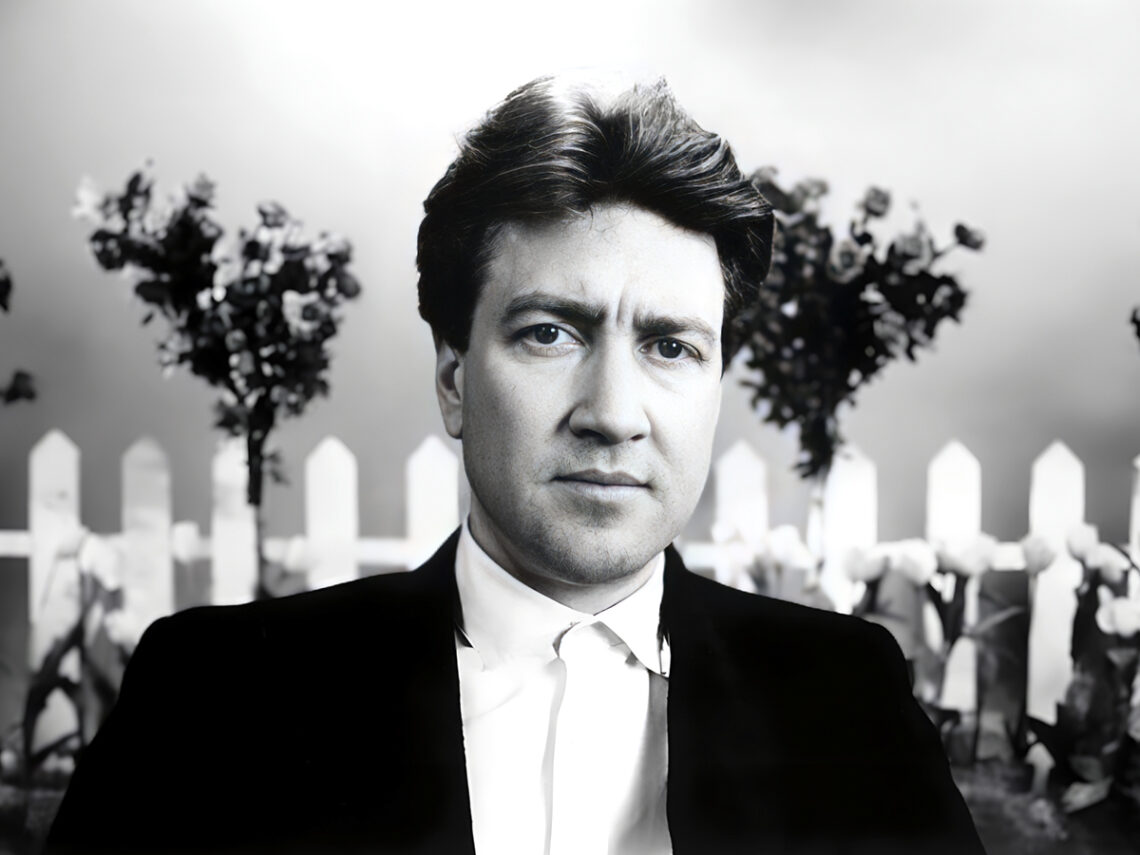
The only movie David Lynch felt compelled to watch: “No matter what else is on, I have to”

David Lynch was a truly beautiful filmmaker and artist, operating on a different plane of existence to most people through his ability to tap into subconscious thoughts and surrealist narratives, creating films that feel universal in their depiction of stories that appear to have visited us only in dreams. Whether it be the visceral ethereality of Twin Peaks, the disturbing Hollywood underworld of Mulholland Drive or the delicate mystery of Blue Velvet, the director touched the lives of countless people through his deeply empathetic and thought-provoking narratives.
As well as this, his work continues to live on through his collaborators and those who loved him, with the likes of Kyle Maclachlan and Laura Dern describing the way he shaped both their creative and personal identities. However, while Lynch influenced all the lives he touched, the director was similarly inspired by other artists, citing one film never failed to move him.
It comes as no surprise when a cinephile mentions their love for Stanley Kubrick, with the landmark auteur becoming one of the most widely revered filmmakers of all time through this astounding adaptability and innovative visuals.
From his signature slow zoom to the meticulous production design present in 2001: A Space Odyssey and A Clockwork Orange, the director had an eye for detail that not many possess, translating in both subtle and grand ways throughout his work.
However, many cite his 1980 film as the most emblematic of his style and knack for reinvention, with the director perfectly blending with the tropes of the horror genre while adding a twist that forever changed the entire medium of film. Through the unsettling score, unnerving tracking shots and slow injection of insanity into each frame, Kubrick did something that had never been done before, making the Hollywood hall of fame through its unexplainably eerie style.
Given that Lynch is also concerned with articulating inarticulable ideas, often translating these through dream-like worlds and hazily disconcerting ideas, it comes as no surprise that the director was starstruck by The Shining and its captivating tone.
When describing the film, Lynch said, “I love The Shining. If I see it on TV, no matter what else is on, I have to watch it. It just gets better and better. And yet, when it came out, it didn’t make that much of a noise. But that’s the way it always was with Kubrick’s stuff. It’s pretty amazing how they grow. But I like everything he’s done. I love Barry Lyndon – it’s a great, great film”.
In many ways, both directors share similar attitudes towards maintaining the mystery of filmmaking and not having clear-cut interpretations of their work, preferring for audiences to feel their way through a story and find a truth that most suits their perception of the world. In many ways, this is the true hallmark of a great director – unconcerned by creating a definitive meaning and instead being mesmerised by the constant evolution of a film as it passes through the eyes of their audiences.
