


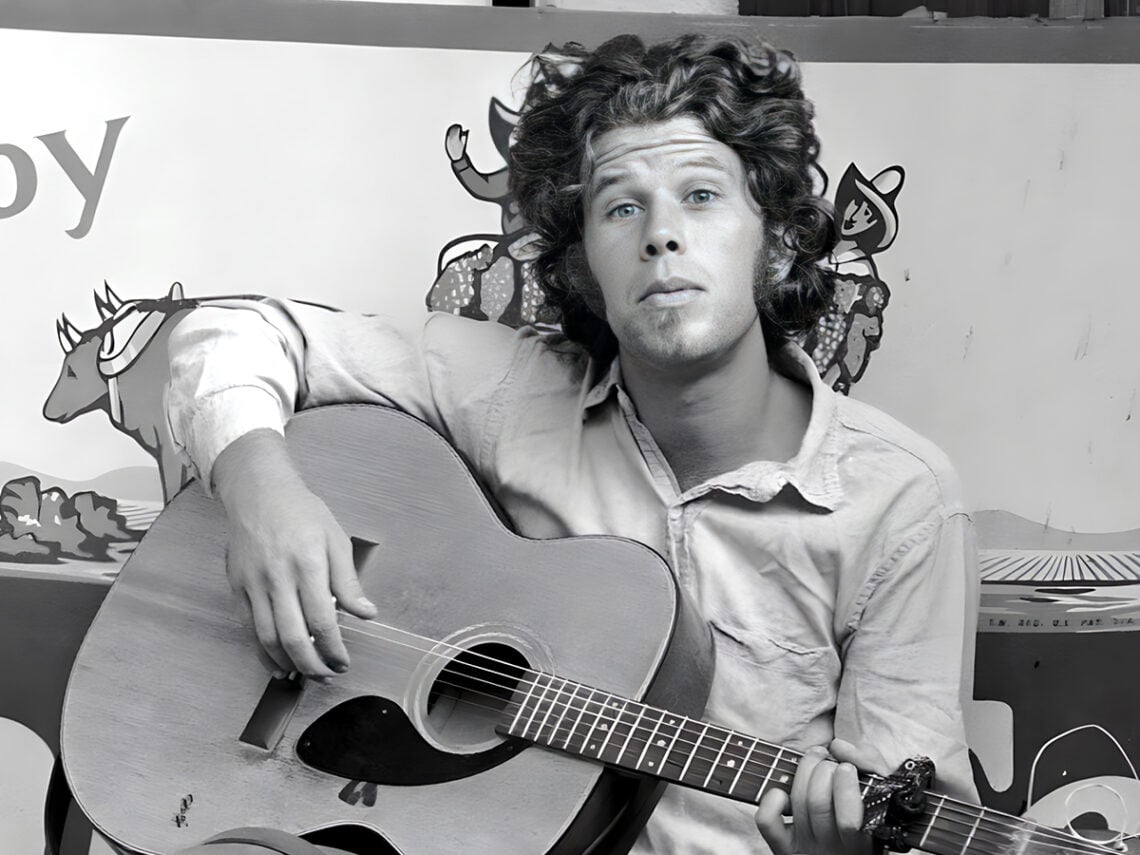
The only 1960s country singer Tom Waits ever liked

Authenticity is very important in music, but especially with genres like country.
People want music that sounds good and they like, that’s route one, but they also like it when the artist they’re listening to has a story that they can seemingly connect with. This means that they had a similar upbringing, or at the very least, their music comes from a place which heightens the sentiment behind different songs.
It’s for reasons like this that people don’t like upper-class punk bands. The whole point of a movement like punk is that it’s speaking truth to power and giving a voice to people who can’t speak up for themselves. It’s a sound embedded within the working-class spirit, and so the idea of having somebody rich singing to such a crowd, and that crowd relating to them, is an absolute non-starter.
The same can be said for country music. Once again, this is a style that’s supposed to be down-to-earth and relatable and appeals to a lot of people because of how relatable the sentiment behind the whole thing is. Tom Waits grew frustrated with a lot of country music stars because he felt they had left the truth of the sound behind them. He didn’t think that they were an accurate representation of the genre anymore, and so struggled to listen to a lot of them.
Regardless, there were still some artists he liked who bucked the trend by being a good reflection of the genre, and one of these was Merle Haggard, who people often cite as one of the most influential performers in country music, whose sound, relatability, and grounded nature of the songs he wrote resonated with listeners around the world.
“‘Blind Love’ is one of my first country songs,” he said, “I like Merle Haggard, most of those other guys, though, sound like they’re all just drinking tea and watching their waist and talking to their accountant. This one I think subscribes to some of that roadhouse feel.”
The authenticity that Waits clearly wants in his music is valid; an artist shouldn’t just write something, but they should believe in what they are writing. Of course, relying too much on authenticity can also become a problem. Jack White spoke about this once, saying that while it’s important, some listeners can lean on it too heavily, to the extent that a lot of famous musicians only reach the level they do because people buy into the story rather than the music.

“Throughout history, we’ve been sold authenticity over and over. The English press are the kings of it. You’ve got to ask yourself about The White Stripe’s appeal to England had we been from Los Angeles instead of Detroit,” said White, “The story of the city of Detroit became our authenticity, that dirty, crumbling town. I don’t see a lot of other artists getting asked about where they live, but I get asked about where I live constantly.”
All of music comes down to striking that balance between something sounding great and an authentic person making it. Is Merle Haggard the best representation of that? Tom Waits certainly thinks so.
