


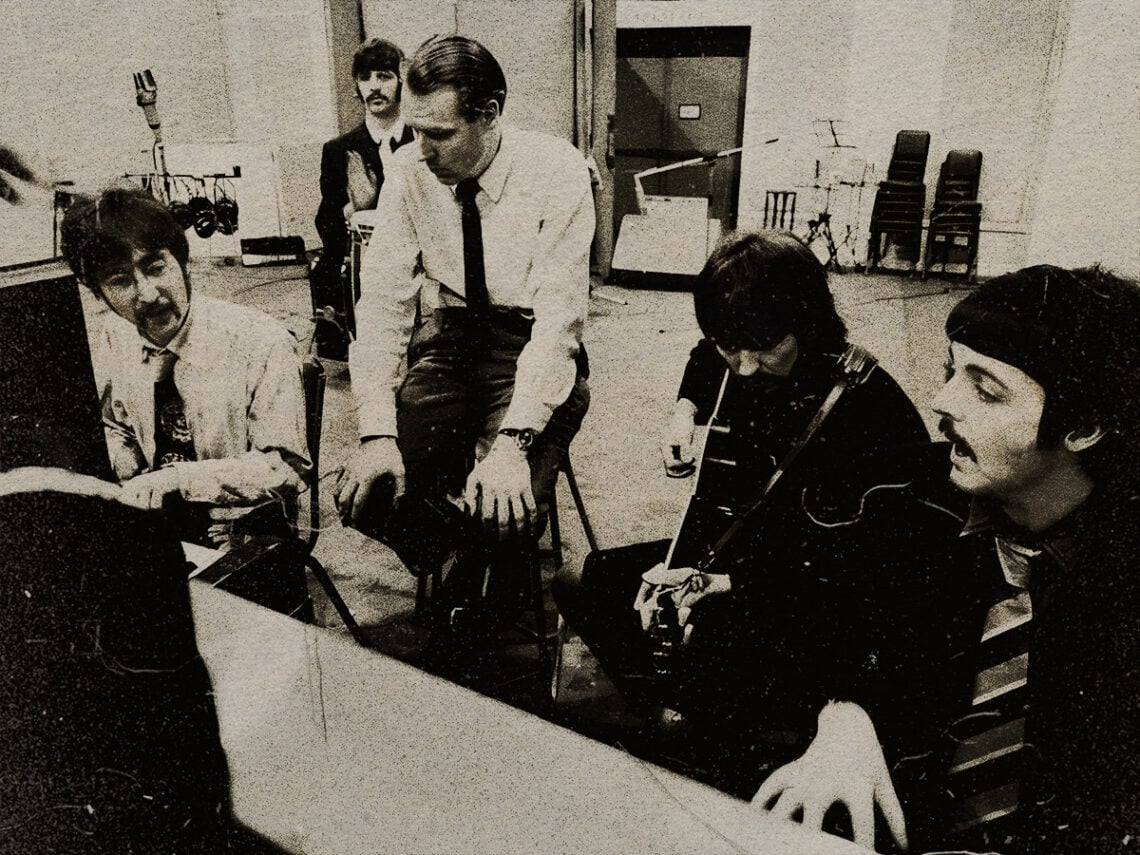
“He’s excelled himself: The only Beatles solo albums that George Martin liked

Amid the buzz of Beatlemania, you needed someone with a steady head. George Martin was exactly that—his head was so steady you could readily describe him as a sniper’s dream. The stately Londoner could be plunged from a shipwreck into the icy Atlantic, and you’d see him fixing his tie. This outlook helped to guide The Beatles through equally choppy waters towards unprecedented shores.
As hits and ideas were being thrown around like confetti at a wedding, Martin was often the man who told the band not to lose sight of what mattered in the melee. Under his guidance as their producer and proverbial Fifth Beatle, they changed the world. However, as one of the few permanent figures on this journey outside of the Fab Four themselves, he had seen them grow, and he was well aware that the magic of the group was that they were more than the sum of their parts.
As he recalled, “The Beatles weren’t The Beatles we know when I met them. Ringo wasn’t part of them.” But it wasn’t just the introduction of their “bloody good” drummer that propelled them—it was the alchemy of friendship that elevated their creativity to no end. “They were a quartet,” Martin simply puts it. “Here you had a castle of four corners,” he added in an interview with Paul Du Noyer. “Even I wasn’t a part of that. And they were impregnable, the four of them together were bigger than any individual parts.”
So, Martin might have soberly seen a decline in their individual output ahead when that castle finally dissolved and the corners went their separate ways. Of course, he reconciled the brilliance and talent of each member, but there were plenty of talented musicians out there, and he knew that there would only ever be one Beatles.
So, he keenly watched their solo work develop, but he concedes, “I wouldn’t say I was a great fan.” But that’s not to say that there weren’t highlights that stood out to him. As he continued, “Of course I would hear what John did. Yoko actually said years later, ‘I wish you’d recorded Double Fantasy, and I said, ‘Well you never asked me’. And I think Imagine was very good. I think John did a lot of good stuff, and Paul did too, but it wasn’t as good as when they were together and I think they have to accept that.”
This wasn’t bitter or biased in any way; it was just Martin espousing the same honesty that moved the group forward in the studio. He knew that they had been a perfectly tessellated jigsaw that came together to create pictures that the world had never seen, and he knew that was over and a degree of normality would beset their individual talents—regardless of how profound those talents were.
As he continued, “Paul went through a long period when he was writing stuff that was ok but I think he’s excelled himself with his last one, I think the Flaming Pie album is a very good one.” Alas, while Martin might have only reserved express praise for those three Beatles solo albums, you also wouldn’t find him lamenting their solo careers, often crediting all four members as defying his expectations. Instead, any perceived stolidness regarding what followed is a mere measure of the magic that went before—magic that he was mere metres away from watching unfurl first-hand.

Never Miss A Beat
The Far Out Beatles Newsletter
All the latest stories about The Beatles from the independent voice of culture.
Straight to your inbox.