


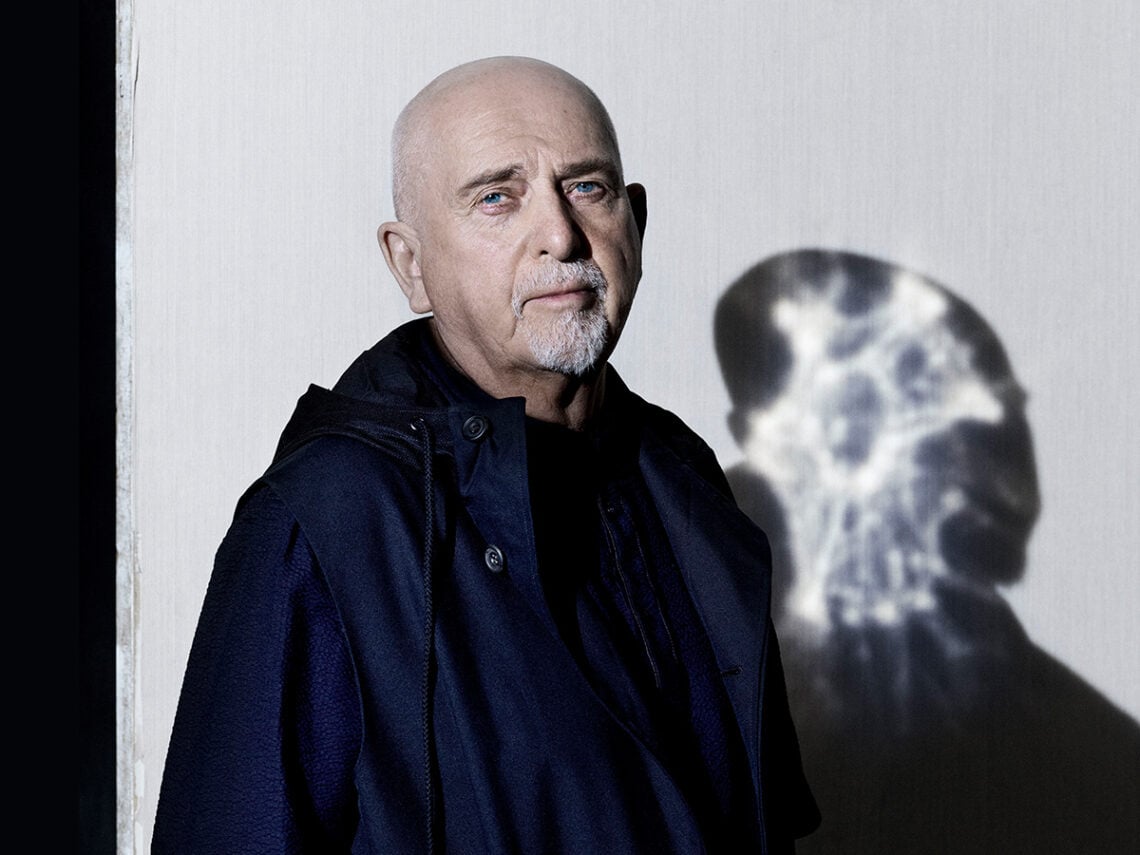
The album Peter Gabriel said was “too wacky” for the mainstream

Peter Gabriel has never shied away from pushing boundaries, although even he admits there have been times when he may have taken things far past the general public’s liking.
His artistry has always been in a class of its own, and that is precisely why Genesis has such a stark ‘before’ and ‘after’ in its timeline. Sure, Phil Collins played a key role in reshaping the group’s identity, but the reason he even had to do that in the first place was that it was practically impossible to fill his predecessor’s shoes.
Eccentric, ambitious and weird in all the right ways, Gabriel always stood out as a force unto himself from the very start. His name was always an entirely separate entity from the band her founded, so it made sense for him to part ways with them and begin publishing music under his own name. A year after his final hurrah with Genesis on The Lamb Lies Down on Broadway, he signed off for good in 1975.
He launched his solo career less than two years later, and it was exactly what fans expected and had hoped for. Though it was still undeniably the same person everyone had grown to love from his time with Genesis, his material now had even more texture than it did before. From that, it became a lot clearer what his contributions to the group were and why he wanted the freedom to be his own boss.
From 1977 to 1984, he released a quartet of self-titled LPs with just his name stamped on the covers. While the first of the lot featured mostly recognisable elements of his brand, he took a more experimental approach on the next three. He got increasingly adventurous with each release, and by the time he released the fourth record, not everyone was still on board.
During an interview with Classic Rock in 2004, he reflected on the album’s mixed reception upon release and even admitted that he might have taken too big a risk on that project since it failed to move enough units. However, those who had been following his career from the beginning weren’t caught off guard since it still felt on brand.
“It wasn’t a big seller,” he said. “Some of the hardcore fans think it’s the best record but others thought it was too wacky. Maybe that’s because I was taking a bigger role in the production.”
Looking back, Peter Gabriel (also known as Peter Gabriel 4 or Security) doesn’t even sound all that crazy, but that’s only by today’s standards. It was quite far removed from the styles of music that guaranteed commercial success back in the 1980s, and it ultimately ended up alienating a sizable portion of his audience. Exploring the sounds of the world, however, made room for more artists to try new and different things instead of playing it safe.
While the album didn’t do too well in sales, it opened other doors for Gabriel because the stage show he developed in conjunction with the album was impressive even to those who may not have enjoyed the music just by itself. His production ultimately caught the attention of David Bowie, who was in the process of plotting his Serious Moonlight comeback tour of 1983 following the release of Let’s Dance. Impressed, he invited Gabriel to join the concert series as the opening act for the North American leg, exposing his massive fanbase (at least those who weren’t already paying attention) to the brilliance of the prog-rock pioneer.
