


The one thing Emily Blunt loathes about 21st-century cinema: “I hate that fucking word”

There is no force more mysterious than the omnipotent ‘algorithm gods’ who reign over the rest of us and deem which art is worth seeing.
Writers, artists and YouTubers have found their careers dominated by the same invisible and unstoppable force, with a frustratingly unpredictable algorithm that looms over everyone and inadvertently determines your success on the internet.
If you’re making and uploading anything online, then the chances of anyone seeing it will be in the hands of this unknown entity, with the algorithm occasionally throwing you a bone and letting thousands of people see a throwaway article or video, and sometimes making sure that only one person will see your greatest piece of work.
In this day and age, increasingly damaging forces have taken over the creative industries at large, infecting us with the view that art should be viewed as content and nothing is to be taken seriously. Some people build entire careers on meaningless throwaway videos and are treated as gods for doing so, while others struggle away and create genuinely great art that nobody pays real attention to. The current state of cinema doesn’t come as any surprise, given that this is way artists are treated, with one sentence reviews being the only valued response to filmmaking and hours of watching silly videos in bed being prioritised above going to the cinema.
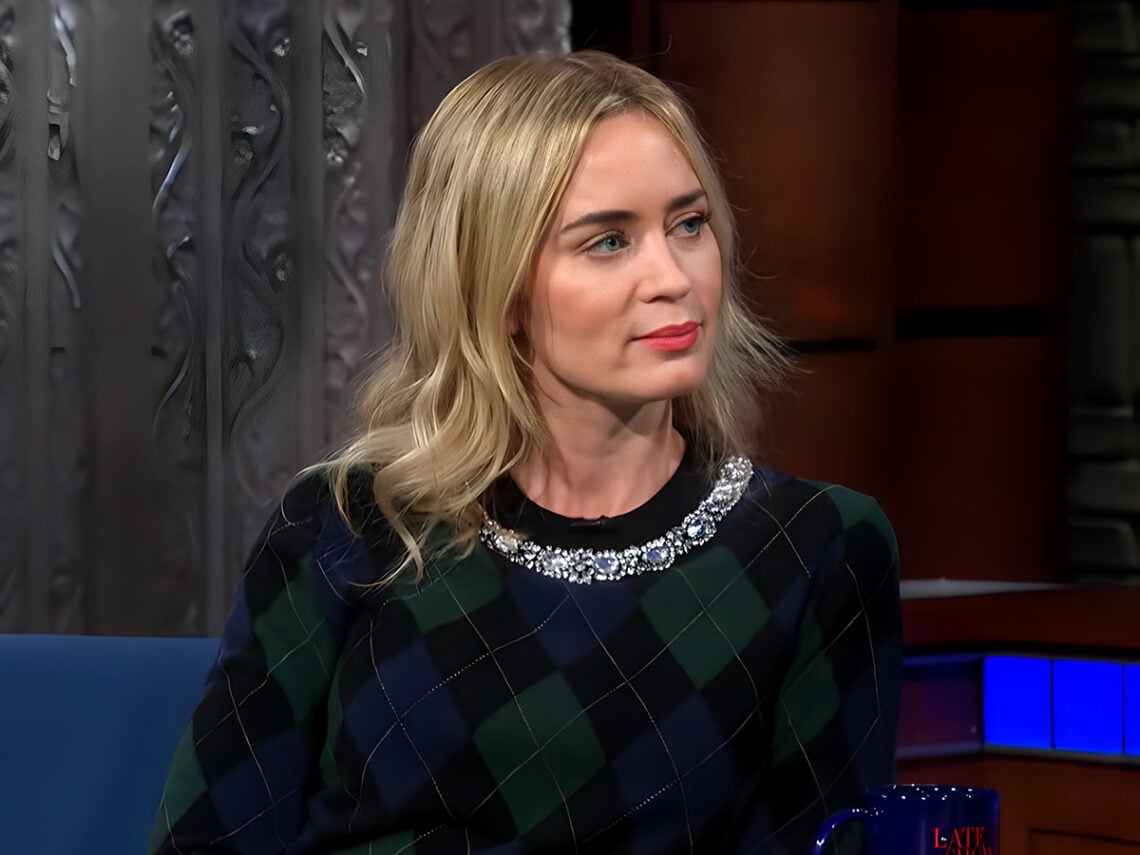
For Emily Blunt, this was an idea that she expressed great discomfort with, sharing her thoughts on the current state of entertainment and the malignant force that has taken over this realm.
Blunt grew from being an indie star to a blockbuster giant, with the actor starring in early projects like The Devil Wears Prada, Dan in Real Life and Wild Target before going on to become the face of a much bigger enterprise. After working with Denis Villeneuve on Sicario, in which she had the leading role, Blunt rose to new heights in the world of commercial cinema, starring in huge projects like Mary Poppins Returns, Jungle Cruise, Oppenheimer and The Fall Guy.
But perhaps her shift to becoming a blockbuster star is a reflection of the wider changes in the industry, with these bigger and quicker projects being favoured over anything more slow, reflective and challenging. In many ways, the favouritism towards this type of cinema is a by-product of the algorithmic world we are living in, with Blunt expressing her thoughts on this very phenomenon by saying, “Some new things frustrate me: algorithms, for example. I hate that fucking word, excuse the expletive! How can it be associated with art and content?”
It’s interesting that Blunt describes its impact on both art and content, because the rise of ‘content’ is what created these algorithms in the first place. Art should not be viewed in the algorithmic ways that TikToks are, but it makes sense for short-form content to be viewed in this manner when it is primarily viewed on the internet. It’s a strange world, but one that perhaps isn’t made any better when we refer to art and content in the same sentence.
