


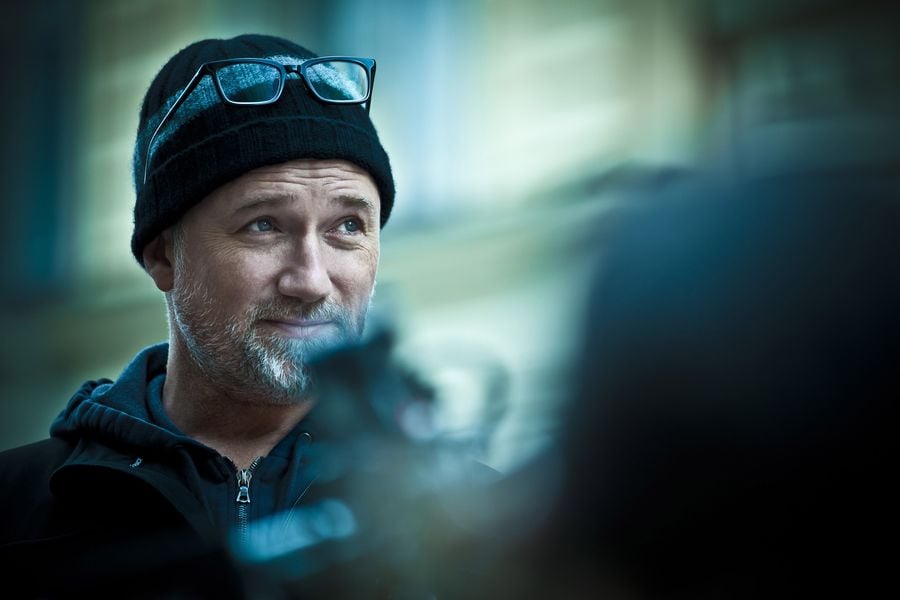
The one thing David Fincher wants every filmmaker to know: “Unless you’re Mel Gibson”

David Fincher is a modern-day legend in the film industry, becoming infamous for his meticulous and painstakingly detailed style that is defined by his signature steely colour palette, unconventionally structured narratives and beautifully precise and layered frames.
He has also been praised for deceiving audiences through his subtle use of visual effects, sometimes only using this to enhance the accuracy and flow of a shot, adding it in Gone Girl to control the movement of a jelly bean as Ben Affleck throws it into his mouth. In The Social Network, he even added 3D tracking software to digitally replace each background in the rowing scene, using the simulated look of tilt shift photography that is only there to add to the visual isolation of the twins. It requires an amount of effort that most audience members don’t even notice, adding to the technical genius of his work.
However, while all of this demonstrates his enormous talent, it also demonstrates the size of his budget and the power he has as a filmmaker, with the director giving one piece of advice to anyone who aspires to do the same.
During his heyday, Fincher became most well-known for films like Fight Club, Seven and The Social Network, which to this day is one of the most prestigious collaborations of all time after the director worked with Aaron Sorkin, who were both considered the best in their fields at the time. Since then, he continued to elevate his style through his work on The Killer, Zodiac and Mindhunter, which further showcased the results of his borderline obsessive working style, with Jake Gyllenhaal fondly recalling one insert shot of his character throwing a folder onto a car seat that required nearly 40 takes.
While the nature of streaming services has undoubtedly had a negative impact on Fincher’s career, with the exclusive Netflix release of his 2020 film Mank having a strange knock-on effect on his future work, he is still making films that are given an enormous amount of attention and funding in order for him to realise the specificity of his visions.
But Fincher would not recommend anyone try this without the support of a production company or financial backer, with one piece of advice that feels more poignant within the current landscape of filmmaking. When sharing his wisdom with other aspiring directors, Fincher said, “Never invest your own money in your films… unless you’re Mel Gibson, don’t ever invest your own money in films. It’s a good rule of thumb”.
Some creatives might be tempted by the idea of using their hard-earned savings to fund a passion project that they are dying to bring to life, but as Fincher said, unless you’re Mel Gibson or Francis Ford Coppola, it is generally not a good idea to invest that much personal risk into a film.
Especially today, when the film industry is so fraught and difficult to survive in, it is never worth risking your financial stability to make something that would only suffer from the level of pressure placed on it to recoup the funds. While Fincher is at the top of his game, it is just about possible for others to work up to his level and find a way to share their stories.
