


The Genesis song Phil Collins always resented: “I was stuck”

For all of the hits that Phil Collins had, a lot of people tend to forget about the powerhouse he was behind the drums.
Genesis didn’t settle for getting any old drummer behind the kit, and the fact that he was good enough to impress Neil Peart when he first joined Rush is enough to put him among the finest percussionists that have ever graced the stage. But even when the band were working on some of their classic material, Collins felt that there were more than a few times when his band members ended up walking away with a much better performance than he did on record.
Then again, his role in Genesis was to help arrange a lot of the tunes into finished pieces. The band had still been figuring things out ever since working together in school on their first album, and while they did have a good idea of where they were going to go, it was always difficult to find a way for them all to agree once Peter Gabriel started laying his lyrics over top of all of their musical noodling.
But even if Collins could be their anchor on many of their songs, Nursery Cryme is a bit of an odd duck for him. The band were firing on all cylinders, and you could see the bones of where records like Selling England By the Pound would eventually come from, but when looking at his own performance on the record, a song like ‘The Fountain of Salmacis’ was both a blessing and a curse for the rest of the band.
On one hand, it’s one of the group’s finest songs from this period, and the band plays their hearts out throughout every single epic minute of the tune. If you were to ask Collins about the kind of version of the tune that he ended up with, though, he was never all that pleased with the version that he was able to lay down. In this case, though, you can say that Collins wasn’t really allowed to flex his musical muscles all that much.
Every great band is looking to get the drums before anything else, and since the rest of the band overdubbed their parts, Collins felt that he got stuck with a take where he had played for too long, saying, “The idea would be to get a take where we all played well. By the time we get to 32 takes, no one’s playing well, and we’re all looking at each other so no one makes a mistake. So we get that far, I’m well past my best, and they all replace their parts. Of course, I was stuck with that take. I always resented that. Now you have computers and you can do whatever you want.”
Then again, there’s a certain piece of that drumming that gives it the mojo that it needs. Collins wouldn’t have needed 32 takes to make something that sounded decent, but even when they were sweating buckets trying to get the right sound down on record, there’s a tension in between every single player that sounds perfect when trying to capture the drama of the story that they’re trying to tell.

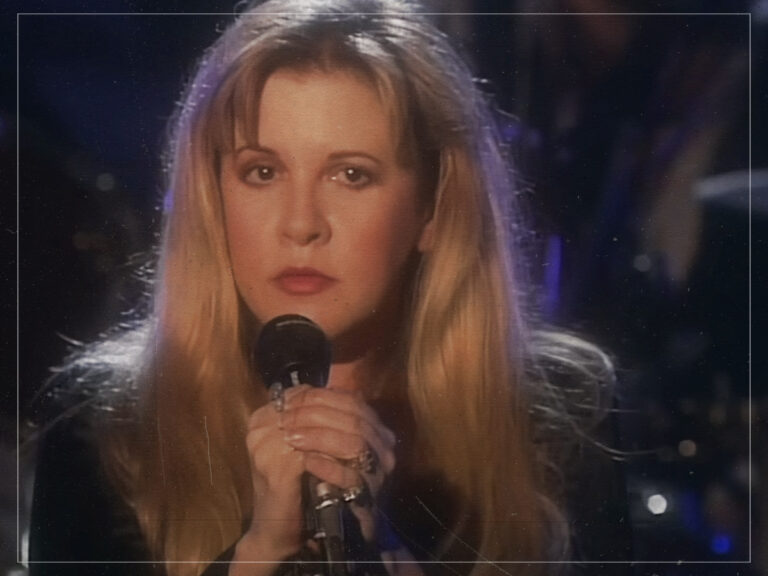

And even if the grid on Pro Tools can lock in everything whenever a band is playing, it’s hard to replace that same tension that Collins has. He’s not exactly dragging or rushing by any stretch, but when you put him up against some of the other drummers of his generation, he was certainly holding his own, especially when working on some of their later projects like The Lamb Lies Down On Broadway.
So while there are some pieces that Collins enjoyed having to live with, there are many more times when his lack of polish became his greatest strength. It’s never going to be perfect whenever someone plays, but the subtle imperfections are what make all the difference when someone listens back again.
