


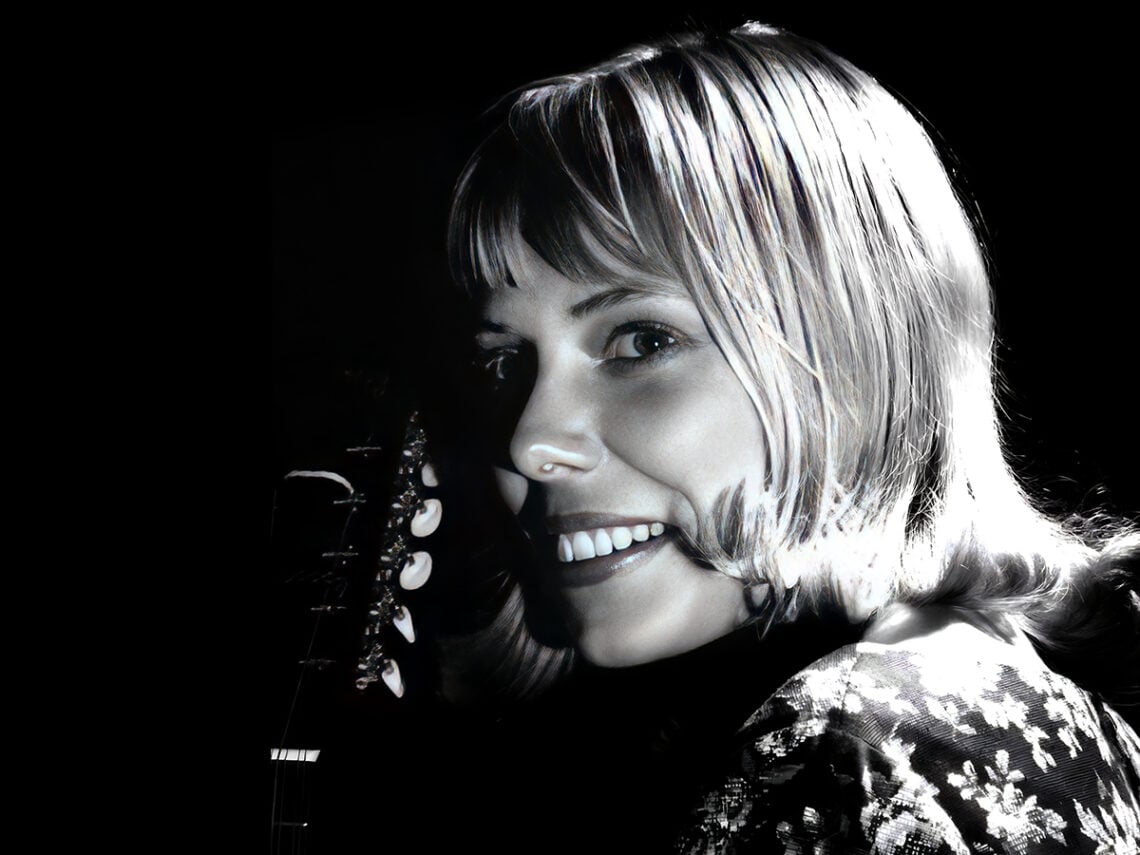
The one show Joni Mitchell said was closest to “perfection”

In the world of the singer-songwriter, Joni Mitchell was looking to be something much different than her peers.
She could certainly respect the time and effort that all of her contemporaries put into their songs, but even if James Taylor could write gripping stories and Bob Dylan could break down society’s ills, Mitchell was creating tapestries of sound that would stand as works of art no matter which decade she found herself in. Others wanted to document the times they were living in, but Mitchell wanted to hit on the right emotion every single time she sat down with her guitar.
There’s no real rhyme or reason to where many of her songs are going, but that’s part of the charm behind it. Not all of her tunes follow the traditional harmonic structure that everyone might be used to, but those strange chords in the mix are a better way for her to articulate her feelings. Life isn’t meant to be black and white, and those chords are bringing in those unique colours that people have always felt but never quite had a name for.
But Mitchell wasn’t the only one pushing the boundaries for what could exist on the pop charts in the late 1960s. Sure, her songs were a definite switch-up from all the bluesy bands that we had been hearing out of England for the past few years, but at the dawn of the Summer of Love, it seemed like every other rockstar was trying out a new avenue with their songs, whether it was The Doors bringing a dark energy to Flower Power or The Who experimenting with conceptual works.
None of them was even coming close to matching what Mitchell was doing, but the Love Generation was always going to be greater than the sum of its parts when they played Woodstock. Everyone from Crosby, Stills, Nash and Young to Jimi Hendrix to The Who felt like musical gods when they played that open field in the middle of New York, but even if Mitchell couldn’t be there, she captured the feeling of the festival better than anyone else could.
Sure, there were going to be a bunch of hippies that were only there to hear some live music, but for a brief moment in time, Mitchell’s ‘Woodstock’ made it feel like utopia was actually possible for a second. The melody of the tune is immaculate, and even though CSNY get a lot of credit for their cover version of the song, Mitchell’s version paints a better picture of what walking around those festival grounds probably felt like.
Because from an outsider looking in, Mitchell felt like the whole thing was ripped straight out of a dream, saying, “I think Woodstock was the peak. The closest we had to perfection of the hippy ideal. It was an enormous population of people with an enormous capacity for cooperation.” The rest of the bands didn’t always see it that way, but it’s hard to deny that kind of idealism looking back at the footage.
If you think about this point in history, it looked like the world was on fire in the wake of the Vietnam War, but when Hendrix played ‘The Star Spangled Banner’ on the final day, it truly felt like the tides were turning. One show might not have been able to stop a war, but it let the rest of the world know that the kids weren’t going to stand for living the rest of their lives fighting amongst each other.
It was a time for bringing peace back into the world, and ‘Woodstock’ remains a brilliant snapshot of what those ideals were always meant to be. Did they manage to stop the war? No, but just because one generation couldn’t create a musical utopia didn’t mean the rest of us had to stop trying.
