


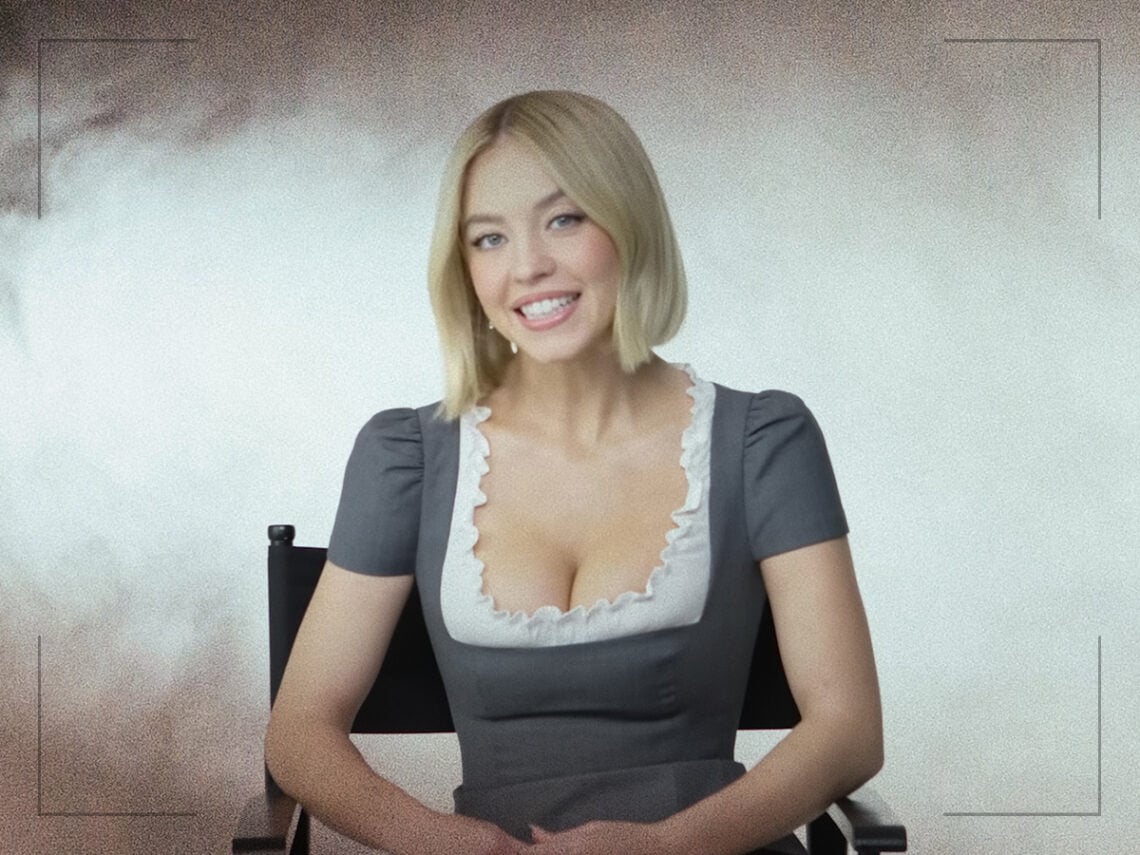
The one role Sydney Sweeney has always dreamed of playing

One of the most hotly debated young performers of her generation, even if it’s not always for her acting skills, Sydney Sweeney seemingly keeps igniting controversy with all of her public statements, and her opinions on classic cinema aren’t likely to quell the discourse.
While there’s been outrage regarding the public stunts and marketing campaigns that she’s been involved with, recent accusations have suggested that she’s a conservative with views adjacent to United States President Donald Trump.
Sweeney’s unwillingness to discuss politics has only heightened speculation about her beliefs, especially when compared to how many of her contemporaries have been outspoken about current American events, including the controversy surrounding ICE. It’s unfortunately been something that’s dogged her career thus far, and has been part of the narrative revolving around the success or failure of each of her projects, making the reception of her work in 2025 a true rollercoaster ride.
She starred in several indie films that underperformed at the box office, including Americana, Christy, and Eden, but it was hard to blame her for a failure to market smaller titles with more niche commercial viability, then finally, thanks to the success of the romantic thriller The Housemaid and the hype for the upcoming season of Euphoria that Sweeney solidified herself as someone who is important to the industry.
The dedication she has shown to taking on challenging roles in auteur-driven projects does imply that she has an interest in cinema that goes beyond the celebrity it might entail, but her dream role selection may have raised eyebrows for different reasons, because she named Vivien Leigh’s performance as Scarlet O’Hara in Gone with the Wind to be her favourite.
A beloved title that won ten Academy Awards, including ‘Best Picture’ and ‘Best Actress’ for Leigh, and was the highest-grossing film of all time before it was usurped by Jaws almost four decades later, this influential Hollywood classic has also been subjected to significant controversy because of its sympathetic portrayal of the American South during the Civil War, and its regressive depiction of African Americans.
Sweeney didn’t discuss the political and historical relevancy of the role, though, as she cited the “grace” and “power” of Leigh’s performance behind why she adored it, even making a legitimate point about how rare it was in 1939 for a film to feature a strong, defiant female character, especially when women were rarely given prominent roles.
It is possible to admire the craftsmanship and beauty of a film, as well as how it might have broken new grounds, while also acknowledging its degressive lens, but it is unclear if Sweeney intended to send a message by talking about Gone with the Wind, for, it’s hard to imagine, given the discourse she courts, she was unaware of the sort of aspersions that would be cast when discussing it as being among her favourites.
Regardless, the film’s legacy, much like Sweeney’s, remains disputed and is bound to bring up some discussions regarding how it aged, especially as the debate around whether it is a classic that should still be taught in schools has intensified after the film was made available on HBO Max (albeit with a content warning).
