


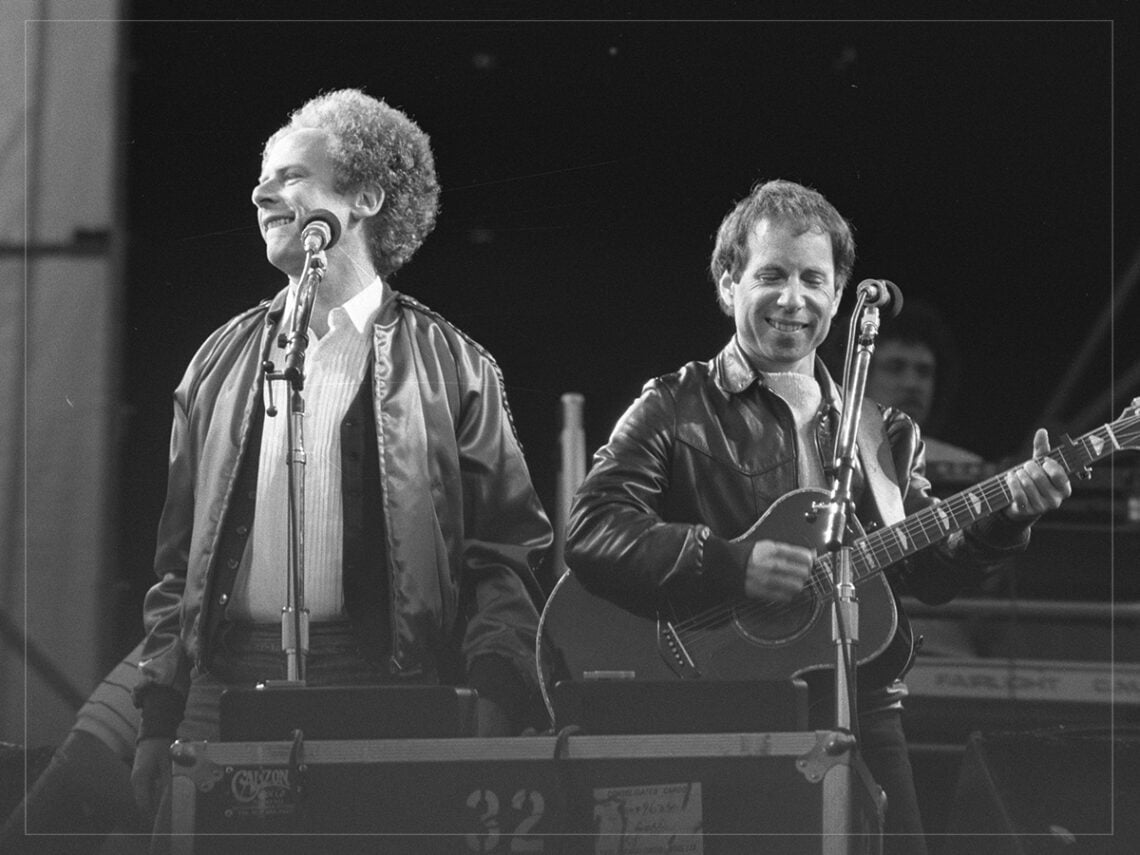
The one album that ruined a Simon and Garfunkel reunion: “I really can’t do it”

Handling a duo was always going to be a challenge for Paul Simon.
Even though he and Art Garfunkel had the kind of voices that blended perfectly whenever they worked on some of their tunes, there comes a point when you’re going to want to have more of a say in what your songs are sounding like, aside from putting in a harmony line for your friend to sing every single time a new record starts. And while Simon was ready to cut things off with Garfunkel during certain parts of his career, he did realise that things could be a lot more cordial between them every now and again.
Because, really, Simon and Garfunkel is one of the few bands that could have easily claimed to have had a falling-out because of creative differences. That’s normally industry slang for the fact that band members hate each other or one person wanted more money, but considering how much Garfunkel was focused on movies and came in wanting to change a lot of what Simon had already worked on, it made a lot more sense for Simon to go off on his own.
It’s not like both of them were suffering from hits when they first came out, but absence is always going to make the heart grow fonder whenever a band splits up. Both of them were still at the top of their game, and even though Simon was proud of going off on his own and making tunes like ‘Me and Julio Down the Schoolyard’, there’s something about their performance in Central Park that felt different.
Garfunkel could still revel in delivering ‘Bridge Over Troubled Water’ or even his own solo hits like ‘A Heart In New York’, but that only got the rest of the fanbase a little restless. They needed to get back together in some capacity, but even when they started putting things together on Hearts and Bones, they had a whole new set of issues when Garfunkel walked into the studio this time around.
They all wanted to make the best record they could, but Simon felt that the songs were too personal not to be overly critical of Garfunkel, saying, “At first I thought, ‘I really can’t do it: These new songs are too much about my life to have anybody else sing them.’ I wanted to be there when it happened, because I knew that if what he did wasn’t all right with me, I wasn’t going to let it go. And that was the difference from the ’60s. What we didn’t realize at first was how big a difference it was. It was huge.”
That might make Simon look like one of the biggest control freaks, but there’s a big reason why he needed everything to sound right. He had just gone through a messy separation from Carrie Fisher, and even if he tried his hardest to divide the album up decently, there was no way that Garfunkel was going to be able to sing with the same kind of weight that Simon could whenever talking about his inner turmoil.

It’s not like Simon was going to make something that was too emotional for Garfunkel to sing, but whereas Garfunkel wanted to nix certain songs on Bridge Over Troubled Water, this was almost like Simon’s revenge for that piece of history. He finally had his own solo career to attend to, but whatever sound ended up on the record needed to make sense for what he was trying rather than try to appease his singing partner.
So while fans might have been disappointed when Garfunkel’s voice was scrubbed from the mix, there was no way that Simon was going to make a record like this for the hell of it. This was his own version of Blood on the Tracks in some respects, and he wasn’t going to spend his time trying to sweeten up some of the vocals for the sake of a Simon and Garfunkel reunion.
