


The 1989 album that deeply hurt David Bowie: “Never made another album”

Half of David Bowie’s career was always about moving himself forward to the next phase of his discography.
He didn’t like being typecast as one person for the rest of his life, and if some of his experiments weren’t to his fans’ taste, it wasn’t out of the ordinary to get his bearings back again and move on to the next phase of his career. But there were more than a few times when his experiments started to feel a little too personal when the public didn’t go for them at the time as well.
Because even if ‘The Starman’ had thousands of styles to touch on throughout his career, each song was still like his musical baby to a certain degree. Every one of them was a labour of love when he got started, and no matter what kind of strange inspiration that he got, there wasn’t a single moment of a record like Low where he didn’t feel like he was putting his best foot forward every time he played off of Brian Eno.
But after going through his pop years in the 1980s, Bowie really needed to change things up drastically. He didn’t want to be music for the masses at all, and since he had begun taking the sponsorship deals with Pepsi and collaborating with the same massive stars of the day like Queen and Tina Turner, it was time for him to get a little bit heavier. And while Tin Machine wasn’t out of the ordinary, a lot of people were just confused by what they heard when he formed his new band.
For starters, Bowie isn’t the kind of person who needs a real band to collaborate with. He was the complete package as a frontman, and while The Spiders from Mars were great as his backing group for a while, the fact that he didn’t even put his name on it made the fans a little bit more leery of what he had in store aside from the occasional fuzzy guitar solo throughout one of his tunes.
It wasn’t the worst idea for him to get heavier, but when the rest of the world didn’t go for it, Bowie felt absolutely crushed, saying, “[I was] bitterly [disappointed]. It hurt us so much that we never made another album. They charged me up. I can’t tell you how much… After Let’s Dance, I succumbed, tried to make things more accessible, took away the very strength of what I do. Reeves shook me out of my doldrums, pointed me at some kind of light, said, ‘Be adventurous again.’
But looking through the bands that were in Bowie’s record collection at the time, the idea of a heavier version of his sound wasn’t out of the question. He had long been championing bands like The Velvet Underground, and since Pixies were one of the more exciting bands for him at this juncture, who said that he couldn’t add a bit more grit to the guitars and maybe get a little vulgar behind the microphone?
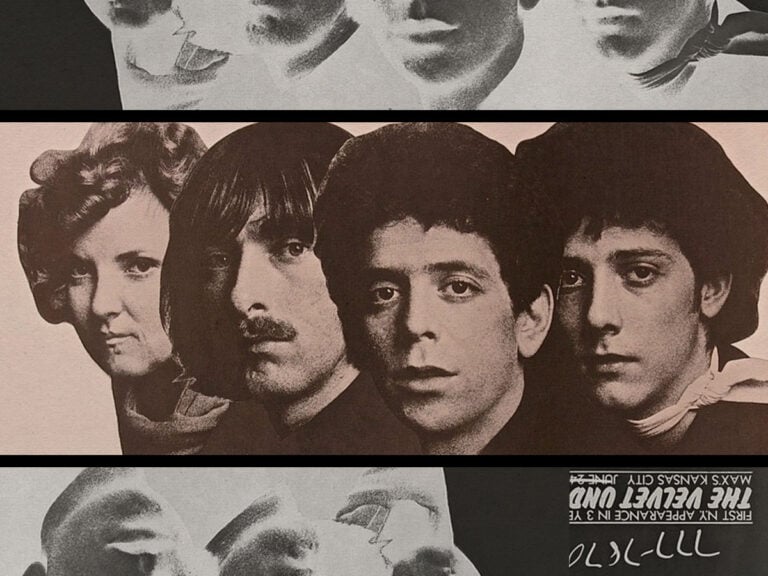
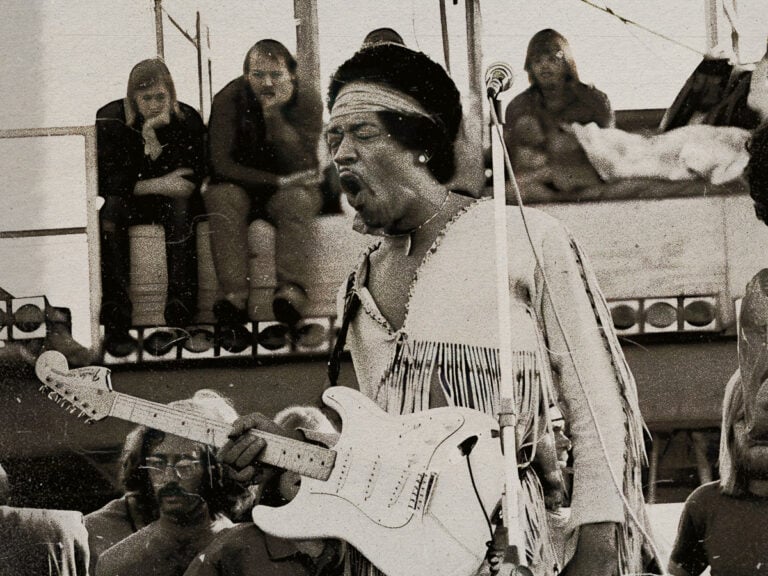

In fact, the records that Tin Machine put out were almost a callback to what Bowie did on the Man Who Sold the World. His third record was already one of the heaviest offerings that he ever made, and if he was going to channel his inner punk yet again, it was better to have a separate entity than everyone thinking that the ‘Modern Love’ vocalist was changing his sound too drastically.
Then again, anyone who thought that Bowie needed to be kept in one box really needed to be reminded of the singer they were working with. ‘The Starman’ wasn’t going to be tamed by what the mainstream wanted, and even if he was told what to do and what to sing, chances are he was going to go in the exact opposite direction whenever he began writing again.
