


‘The New Abnormal’: The prescient album forever frozen in time

There’s nothing stranger than thinking back to when the pandemic first started, and how much the world convinced itself it was changing forever. It makes sense, because it’s something none of us ever anticipated, and something we’ll likely never experience ever again. But, thinking back to that time, do you ever wonder why it’s something we’ve all blocked out from memory? And why, for whatever reason, one of the only touchpoints for any semblance of reality for the whole of 2020 is and will always be The Strokes‘ The New Abnormal.
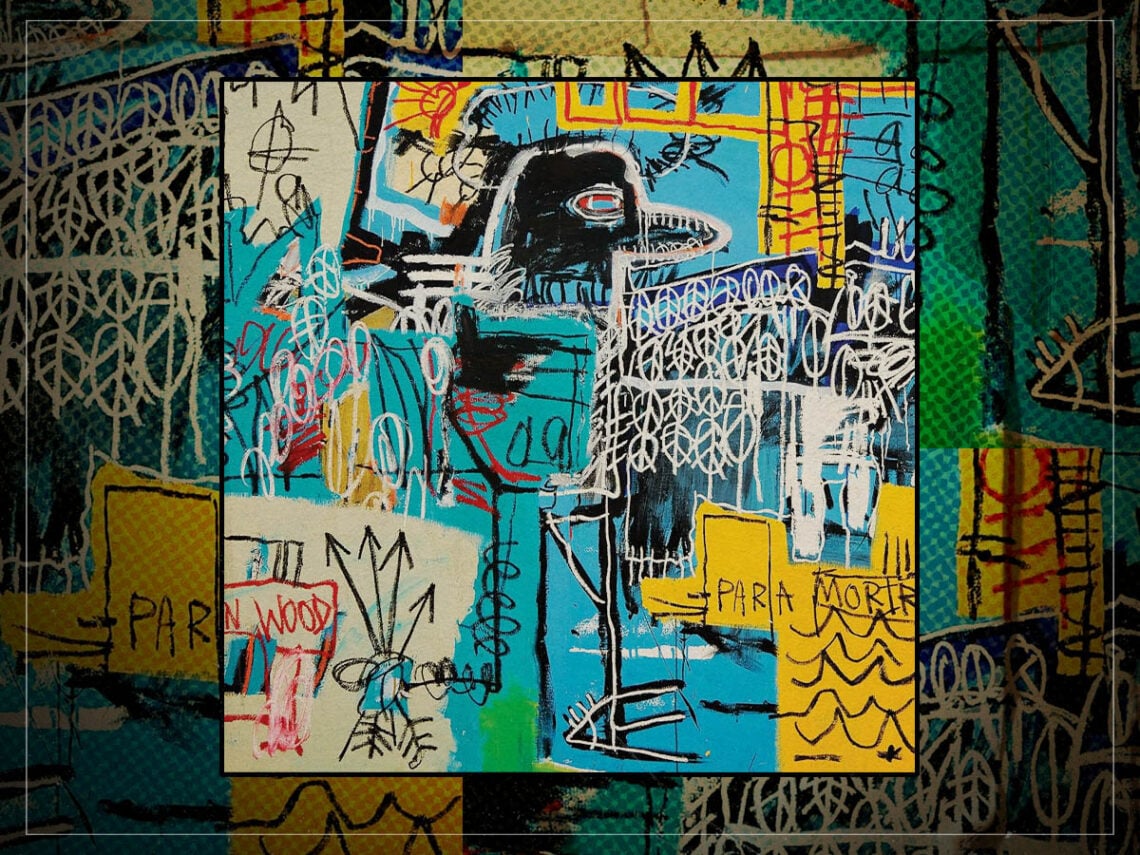
A number of excellent albums were released that year. There was Haim’s Women in Music Pt III, Fontaines DC’s A Hero’s Death, and Phoebe Bridgers’ Punisher, but The New Abnormal immediately came with obnoxious loudness, sporting Jean-Michel Basquiat’s Bird on Money like a chaotic clarion call that danced to a sort of feverish beat. It kind of announced the start of a new world—a new abnormal—like it always knew it would only exist within a certain time period before swiftly disappearing off the face of the Earth.
Kicking off this temporary retreat was ‘The Adults are Talking’, a sort of paranoia-infused clusterfuck of pandemic-leaning tension, with words about losing yourself in uncertain times, “They will blame us, crucify and shame us”, and easy misjudgement, “Don’t go there ’cause you’ll never return”. And then there’s the more laidback take on emotional epiphany in ‘Selfless’, where Julian Casablancas tells us that “life is too short” and talks about being heroic to “face the enemy”. Many of these also come with the kind of synth that naturally feels nostalgic and part of a bigger moment, think ‘Brooklyn Bridge to Chorus’, ‘Ode to The Mets’, with an unmistakable sense of foreboding that many couldn’t shake the whole year.
In ‘At the Door’, for instance, this is palpable, the not being able to escape something that’s there in full view, not letting you breathe when you’re gasping for air, always at the door, never through. And, while he’s evidently talking about losing someone he cares about, ‘Not the Same Anymore’ plays into the anxiety of change, and how we’re so infrequently in control of our own worlds that it feels like we’re forced to stay inside, lock our doors, and only go outside to get milk from the shop. And even then, people seem to have a sort of mindless expression that makes it feel like the end of times. Sound familiar?
Julian Casablancas once called the album “prescient”. Most of the material was recorded in 2016, but he called it prescient, not because it was literally released in April 2020, destined to be forever frozen in place, but because it’ll always feel like the ghost of something else, following a version of you you’re never sure even existed. Were any of us present through the storm of 2020? Or did we all just get by, waiting for the moment we could block it all out, once and for all? Collective trauma runs deep, some say. According to The Strokes, it’s a haze you were once locked inside. How do you get back there? Do you even want to?
The answer is yes, not because it’s fun to revisit but because, through it all, the album inexplicably made things a lot easier, It simultaneously represents times gone by (in that familiar, tasteful way The Strokes always does) and whatever mess we suddenly found ourselves in, prisoners to the natural order of the world with hearts longing to break free. And while we waited, the music pushed us along, a strangely connected soundtrack but a comforting one all the same. One that said, “We’re in this together, no matter how shit it feels”.
Maybe that’s the lasting appeal of the album. It’s stuck somewhere indescribable, but when you listen to it now, it still sticks easily, even if your mind has changed. Even if your heart has changed. Even if everything has changed—everything that ever came from a time that felt as stable as modern politics or as desaturated as Bird on Money. Maybe there’s a lesson in there, too, to become endeared to the things we’re scared to face, and yet revisit anyway, like a fade elsewhere before we come back to ourselves. Or, as the lyric goes, “Use me like an oar and get yourself to shore”.
