


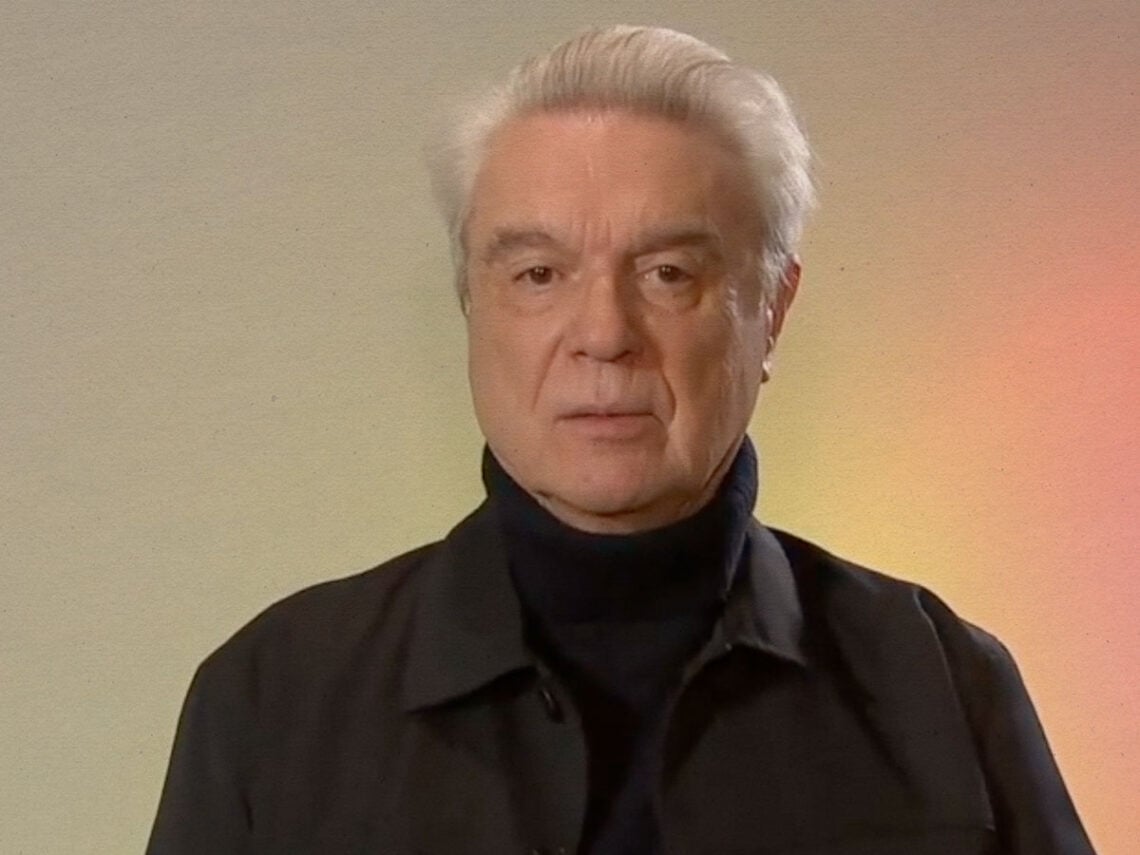
The musician David Byrne said was as important as Bob Marley: “Just amazing!”

David Byrne has become one of New York’s definitive artists, without really being a definitive New York artist.
In 1977, when Talking Heads were releasing their debut album, Talking Heads ‘77, the fiery landscape of punk rock was in full swing. New York was in a desperate social state, and only the burgeoning musicians of this anti-establishment movement were giving hope to the citizens.
Inside the walls of the iconic CBGBs, musicians were playing hard, fast and furious, giving a sound to this caustic attitude that laced the city. David Byrne was a part of it, playing with Talking Heads on that stage night after night, but really, the movement didn’t speak to him. It was as if Talking Heads were from an entirely different planet, channelling a different energy and focusing on an entirely different sound.
Talking Heads were less angry and ferocious, and more cerebral and, dare I say it, nerdy, swapping out the thrashing guitar parts for songs that were driven by a more rhythmic approach that showcased some of the very best from New York’s art-rock scene, but more interestingly, rhythm sections from the world of African funk.
One man who shaped Byrne’s direction of Talking Heads was Fela Kuti. It was his style of interlocking grooves that helped develop the band and move the city’s sound away from punk and into new-wave, which culminated particularly on the band’s seminal record Remain In Light.
Byrne was never shy to shower praise on Kuti and explain just how influential he was for the band: “I’d heard and read enough about him somewhere or other that I knew that he was a phenomenon, a unique phenomenon, in that the music he was bringing together, it sounded like it, and it truly was, he had lived in the United States for a while, he was influenced by the Black Power movement in the late ’60s, by the different strands of American music at that time, whether it was Miles Davis or Coltrane, James Brown, etc.”
The practice of American sensibilities was, of course, appealing to someone like Byrne. But it merely helped him push the door of influence open, allowing him to become more familiar with his music before diving deeper into the style that really made him tick.

“You could hear all that; you hear him put it together with African grooves and create something completely new out of it. But it’s obviously informed by…he’s bringing a lot of what was happening on this continent back to Africa. Just amazing! The lyrics and everything, having something to say that wasn’t just party music, that made it pretty incredible too. All these things. ‘Oh boy, here’s the Bob Marley of Africa!'”
It was more than just the direct influence of Kuti’s rhythms. It was the way in which the musician cross-pollinated ideas to deliver something deeply innovative that Byrne took inspiration from. Rather than accepting the artistic norms that surrounded him in New York in the late ‘70s, Byrne instead drew influences from elsewhere to in turn create something globally understandable, much like Kuti’s music.
