


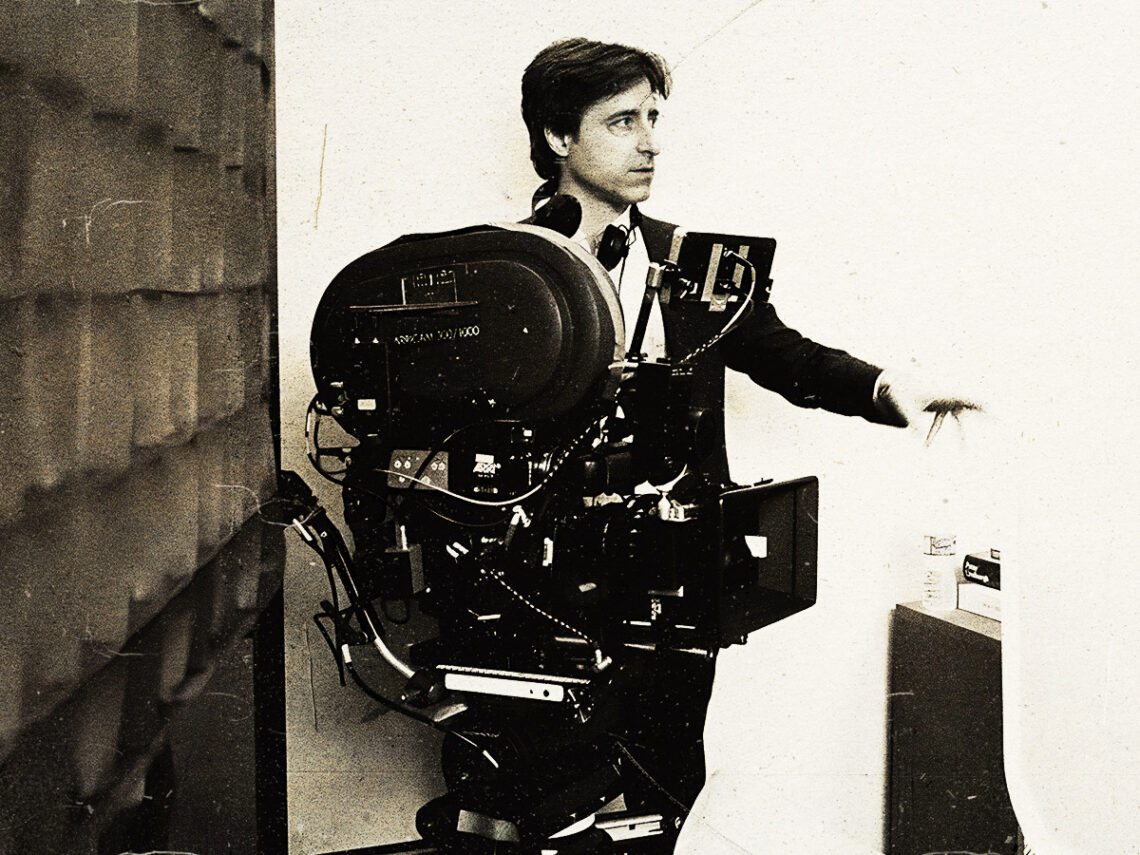
The movie Noah Baumbach disowned: ‘It was a foolish experiment’

Noah Baumbach is one of the most beloved figures in modern independent cinema. Forming part of the mumblecore movement, he found acclaim through The Squid and the Whale, a movie which saw him collaborate with fellow indie darling Wes Anderson. In the years that followed, Baumbach continued to hone a working relationship with Greta Gerwig on seminal genre works like Frances Ha and Mistress America, alongside continued writing collaborations with Anderson.
Baumbach’s work recently culminated in his most commercial and successful project yet, Gerwig’s adaptation of Barbie. The couple worked together on the script, a blockbuster story littered with references to their indie sensibilities. Though he now holds a secure place in the hearts of indie cinephiles and contributed his words to the highest-grossing film of the year, even Baumbach has made some missteps in his filmmaking career.
One of those missteps came in 1997 with his second feature film, Highball. The unfinished comedy film starred Justine Bateman, Peter Bogdanovich, and Dean Cameron and was shot in just six days. The director regrets the film so much that he has since disowned it, though that didn’t stop the project from being released.
When Baumbach was asked about his decision to renounce his ownership of the film by The AV Club, the filmmaker suggested that he never really owned the film in the first place: “It really was an experiment, and kind of a foolish experiment, because I didn’t think about what the ramifications would be if it didn’t work,” he said.
Though he insists that the film had a funny script and was made with “all the best intentions, which was to try and make a movie in six days, and use all the same people from Mr. Jealousy”, he admits that it was too ambitious a project. “We didn’t have enough time,” he reflected, “We didn’t finish it, it didn’t look good, it was just a whole… mess.”
Unable to complete the film, Baumbach and his producer started to disagree, which led the latter to abandon the project. Despite having no money to complete the production, it was later released on DVD without the director’s approval – the ramifications Baumbach hadn’t considered. He explained: “If Justine Bateman and Rae Dawn Chong are in your movie, someone’s going to try to make money. It doesn’t matter if you finished it or even felt like you got a movie out of it.”
Baumbach’s hatred for the film may be strong, but the director has found comfort in the less-than-exemplary works of other artists he looks up to: “Fortunately, there are enough of those in other people’s careers I admire, so I can think, ‘Yeah, okay, this is my Live at The Cavern Club.’ Highball is my Mr. Arkadin, or one of the many Orson Welles movies that are all a thousand times better than Highball.”
Despite the failure of Highball, Baumbach found his footing in the industry when he began collaborating with Anderson and Gerwig. Between mumblecore and Barbie, he became an essential figure in modern indie cinema, unlikely to ever struggle to finance a film again.
