


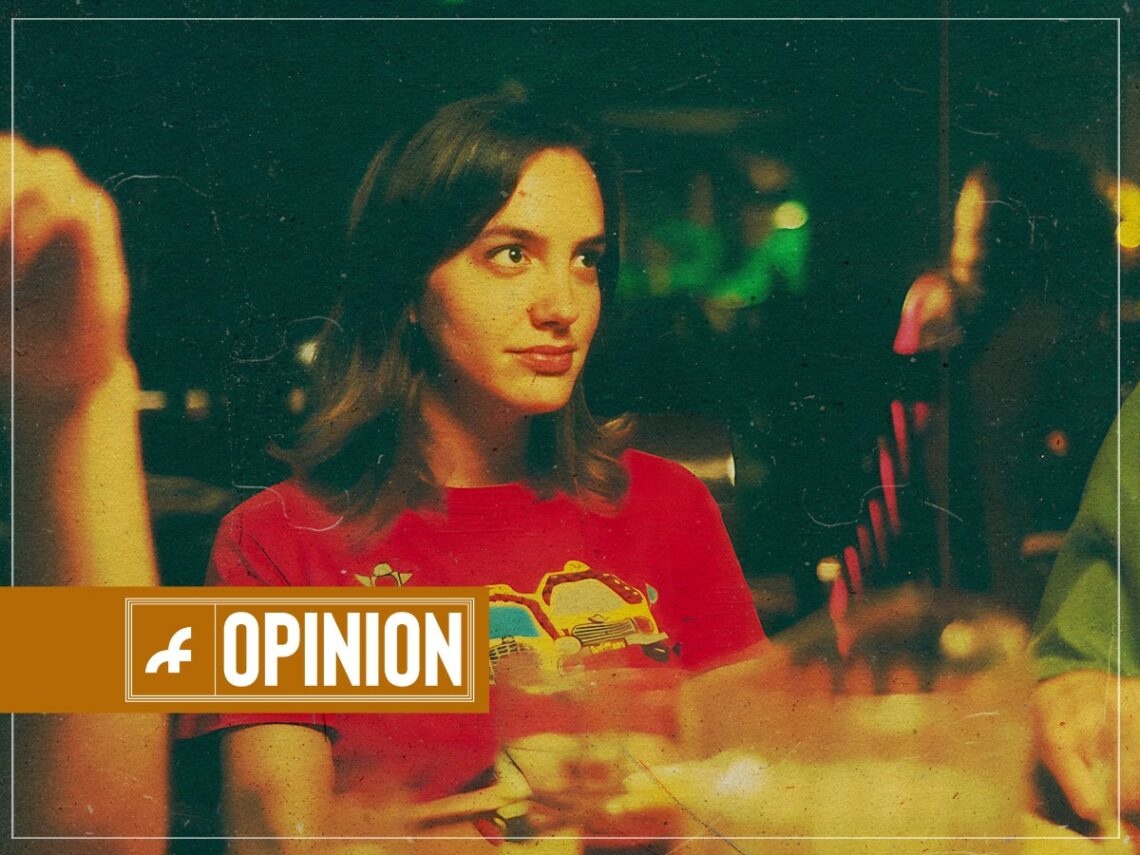
How the Mumblecore movement transformed American cinema

In the annals of American cinema, the Mumblecore movement has etched itself as a revolutionary force. Although not a mainstream term on the lips of your average audience, this sub-genre nonetheless played a significant part in shaping a corner of 21st-century cinema. It forged a distinct set of rules and stylistic guides for independent film that would be so profoundly influential that even the director of the billion-dollar Barbie has her roots in this singular cinematic category.
Emerging in the early 2000s, a specific band of independent directors took the road less travelled. Shunning big budgets and star-studded casts, as much out of a lack of choice as it was a stylistic choice, they opted for handheld cameras, naturalistic dialogue – and an unvarnished look at everyday life. The ramifications of this have been immense, influencing both fledgling directors and the wider American film industry.
The term ‘Mumblecore’ was birthed in 2005 by sound editor Eric Masunaga, coined specifically to describe Andrew Bujalski’s Funny Ha Ha. The movie, like others in the genre, revels in the mundane and banal. Its protagonist, Marnie, wants a decent job and a loving relationship but stumbles through bad dates and awkward friendships. No explosions, no melodrama — just real life with all its subtle highs and lows. As for the etymology of the term itself? If you haven’t already guessed, it’s because the characters mumble. Gazing down at their shoes, pushing trendy fringes out of their eyes, these characters goddamn mumble.
The Duplass brothers’ movie The Puffy Chair, which was released that same year, followed a similar tack, revolving around a man who buys a vintage recliner as a birthday gift for his father and embarks on a road trip to deliver it. The story serves as a backdrop for nuanced explorations of love and familial relationships and provides plenty of opportunities for awkward interactions, averted eyes and, yes, some mumbling.
Another linchpin in the Mumblecore movement is Joe Swanberg, whose Hannah Takes the Stairs epitomises the genre’s preoccupations with relationships and emotional introspection. Hannah, an intern at a production company, embarks on a series of relationships with her co-workers, each encounter brimming with awkward, messy, but genuine exchanges.
Andrew Bujalski’s Computer Chess, a black-and-white period piece centred on a weekend chess tournament for computer programmers, is another iconic entry. On the surface, a film about computer chess may seem dull, but it’s replete with quirky characters and themes of artificial intelligence and existentialism. The advent of streaming services only broadened the reach of these Mumblecore offerings. Lena Dunham’s HBO series Girls, for instance, was an overt descendant of Mumblecore — and found immense success, further cementing the movement’s relevance.
As a true exemplification of Mumblecore’s reach, consider Greta Gerwig’s Lady Bird, which is not a Mumblecore movie per se – but is deeply informed by Gerwig’s past works within the movement, starring in works by both Swanberg and the Duplass’. The film shot to fame, earning multiple Academy Award nominations and opening the door for Gerwig to tackle Barbie – and it proved that the essence of Mumblecore, with its focus on genuine human experiences, could be transposed to broader and more mainstream audiences.
