


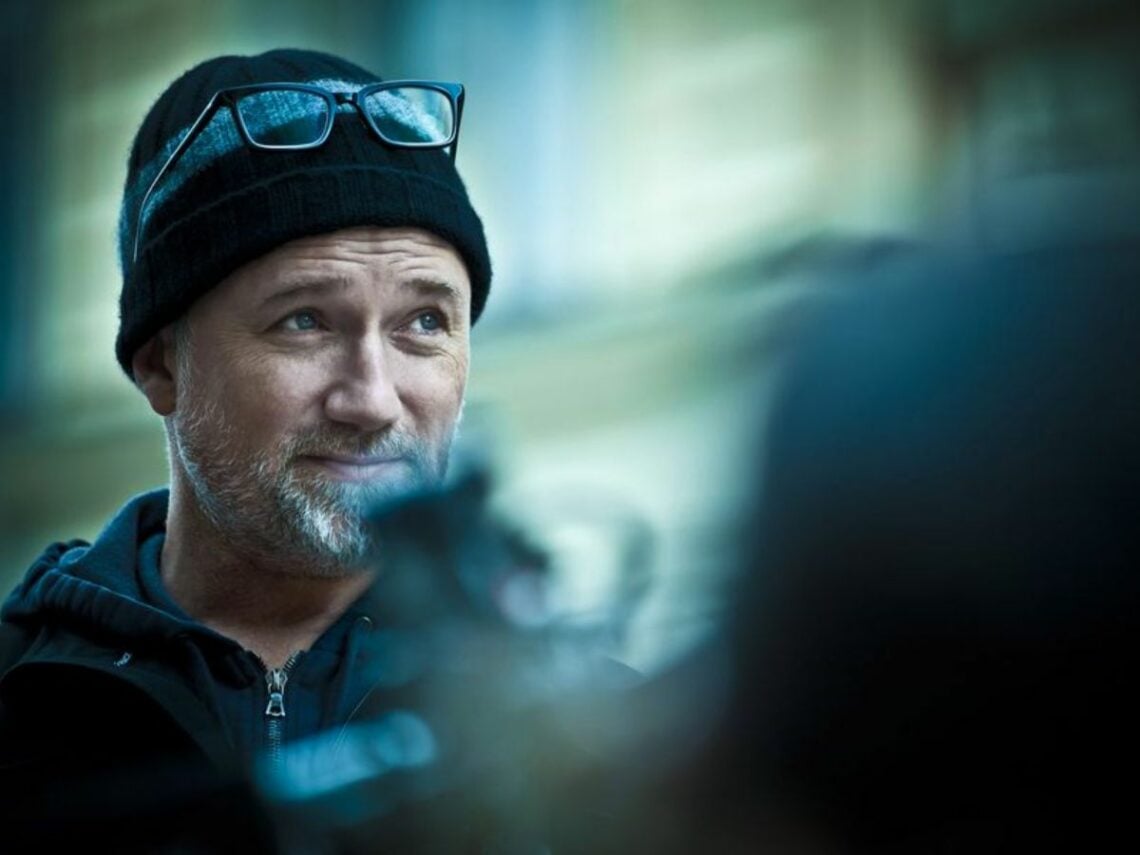
David Fincher praises Robert Eggers: “I wished I had the imagination”

While many consider David Fincher to be a master of the medium, he has his own reservations about this label and the idea of his name being used as an adjective.
After making modern masterpieces such as The Social Network, Zodiac and Fight Club, many consider him to be an endless insight into the technical aspects of filmmaking that have allowed him to manipulate audiences all over the world, distorting small and sometimes irrelevant details that add to the precision and immersive quality of his worlds. However, even though many deem him one of the great modern directors, Fincher still believes he has much to learn, and he described a recent film that he doesn’t think he’d have the ability to make.
Robert Eggers is one of the new Hollywood weirdos who is simply making films that most fascinate and make sense to him, regardless of how they are perceived. After launching onto the scene with The Witch in 2015, it was labelled as one of the most unnerving horror films of all time and led to much speculation about what his next work would be.
But perhaps in the most surprising but informative move, Eggers then created an unexpected story out of two lonely lighthouse keepers who forge a strangely psycho-sexual relationship on a remote island. While some audiences couldn’t understand it, many were thrilled and invigorated by the strange surrealism and surprising number of fart jokes within the story, with brilliant performances from Willem Dafoe and Robert Pattinson.
The director then went on to make The Northman and, most recently, Nosferatu, a retelling of the infamous vampire tale. Given that Fincher is an avid film watcher, it is unsurprising that the director flocked to the cinema to watch his take on the story, with high praise for his gothic and psycho-sexual interpretation of the legendary Count Orlok.
When describing the state of the film industry and the creative trends we are saying, Fincher said, “I believe that movies are as cyclically informed as fashion is. I mean, we go through this when handheld goes out of favour and then somebody utilises it really well, and then it’s back, and then it’s proliferating on television. If you’ve seen Eggers’ Nosferatu, what he does with a four-by-three frame is the kind of stuff that I wished I had the imagination to apply to make, but I just don’t think that way”.
Jarin Blaschke was the cinematographer of Nosferatu, using unique tricks to box in the viewers and create a sense of dread and confinement from the very opening shot. The blue tone of the film, combined with the dark lighting that rarely lets the audience see the light of day, is one of many techniques used to immerse us in our fear.
Despite the fact that Fincher has broken boundaries with any of his own ideas in films such as Gone Girl and Se7en, he still displays a level of humility that does not match his achievements, convinced that he would not be able to replicate the effect of Nosferatu in his own work. While this is a testament to the genius of Eggers, it is also a reflection of the creative spirit, and no matter what you have made, some directors always feel as though they have more to give.
