


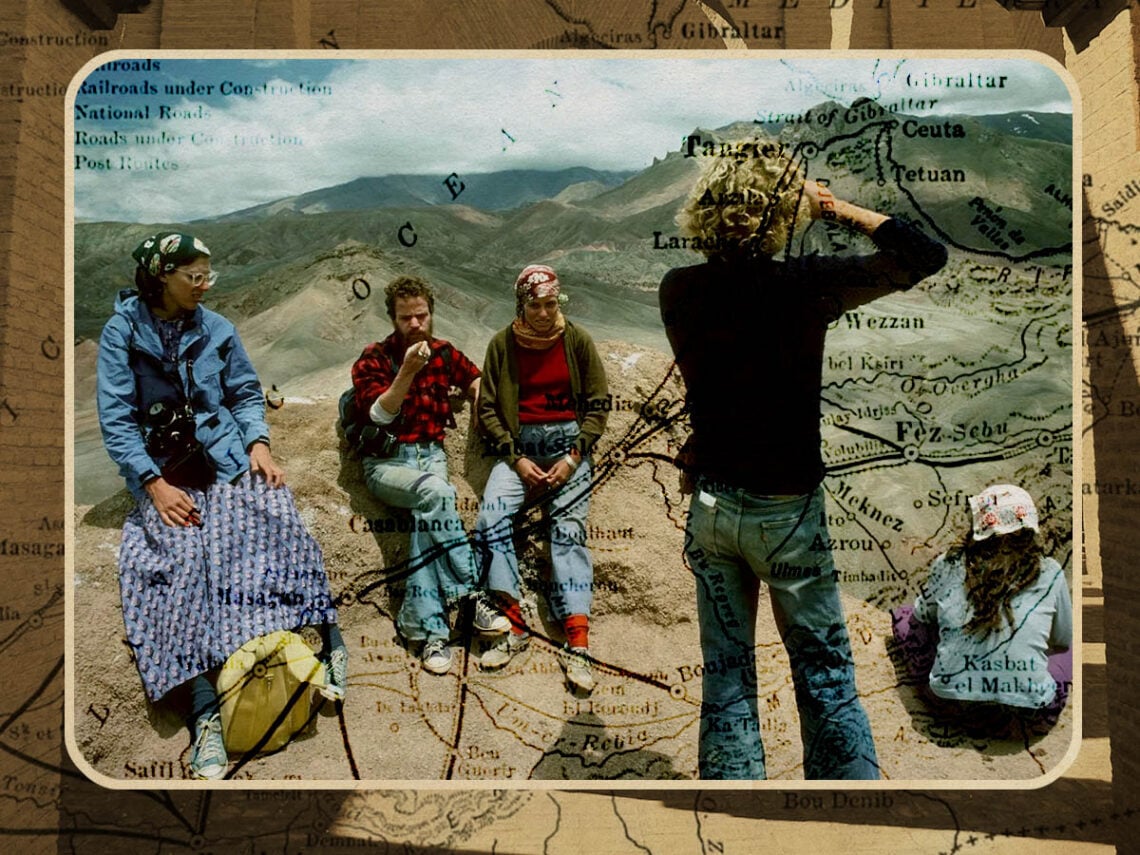
The Moroccan hippie trail: beats, hash and freedom

Long before the budget airline revolution, influencers and yoga retreats in Bali, in the 1960s, Morocco was one of the world’s must-visit youth destinations, with the African country an essential stop on the ‘hippie trail’, which took aspiring young hippies or beatniks from Europe to Asia.
With start points in cities in London, Amsterdam and Paris, a generation of young adults travelled across the continent, with Asia their final destination, and the routes could see them go via Istanbul or North Africa, finding India a crucial stopping point on the way to Mannar or Bangkok.
Routes that had previously been part of the Silk Road were reborn with Western youngsters looking to find enlightenment and cannabis, creating stories to last a lifetime along the way, and while Goa and Kathmandu were synonymous with the hippie trail, Morocco was just as enticing and intoxicating, becoming a hotbed for young creatives, drug takers and adventure seekers.
Where a short ferry ride from Spain took travellers into a different world, leaving Europe behind, the ancient North African civilisation became the next port of call. Nowadays, you visit a place having already watched a thousand reels or TikToks, but this was an era when young Westerners would hear the call to prayer for the first time as it rang through the medina.

There had been rapid changes in Western society since the end of War War II, with Britain being gazumped as the world’s superpower by the USA, the world split by the battle between capitalism and communism, the Cold War raging, and young, sexually liberated teens escaping their conservative parents to find newer grounds.
Tangiers was the gateway into this exciting new world; this port city had already developed a reputation for lax laws, thanks to its history as an International Zone, and after Moroccan independence, this lax attitude continued, and the city was a liberal haven.
Hash was easily accessible, there was freedom from the censorship which had become prevalent in the US, your politics didn’t matter, and you could sleep with who you wanted, regardless of gender.
Not only that, but it was cheap, hence saw its cafes and hotels packed with poets and writers, with the Beats amongst those enjoying the freedoms of laxity. William S Burroughs wrote the excellent Naked Lunch there, and Allen Ginsberg was a frequent visitor, as was Jack Kerouac, who looked to escape fame following the publication of his scroll of On the Road.
From the coffee shops to the countryside, legions of backpacked, guitar-carrying, long-haired hippies went out into Morocco, with Marrakesh serving as the heart of the country as a spiritual and sensual experience, a long way from the uptight Western culture these youngins had grown up with.
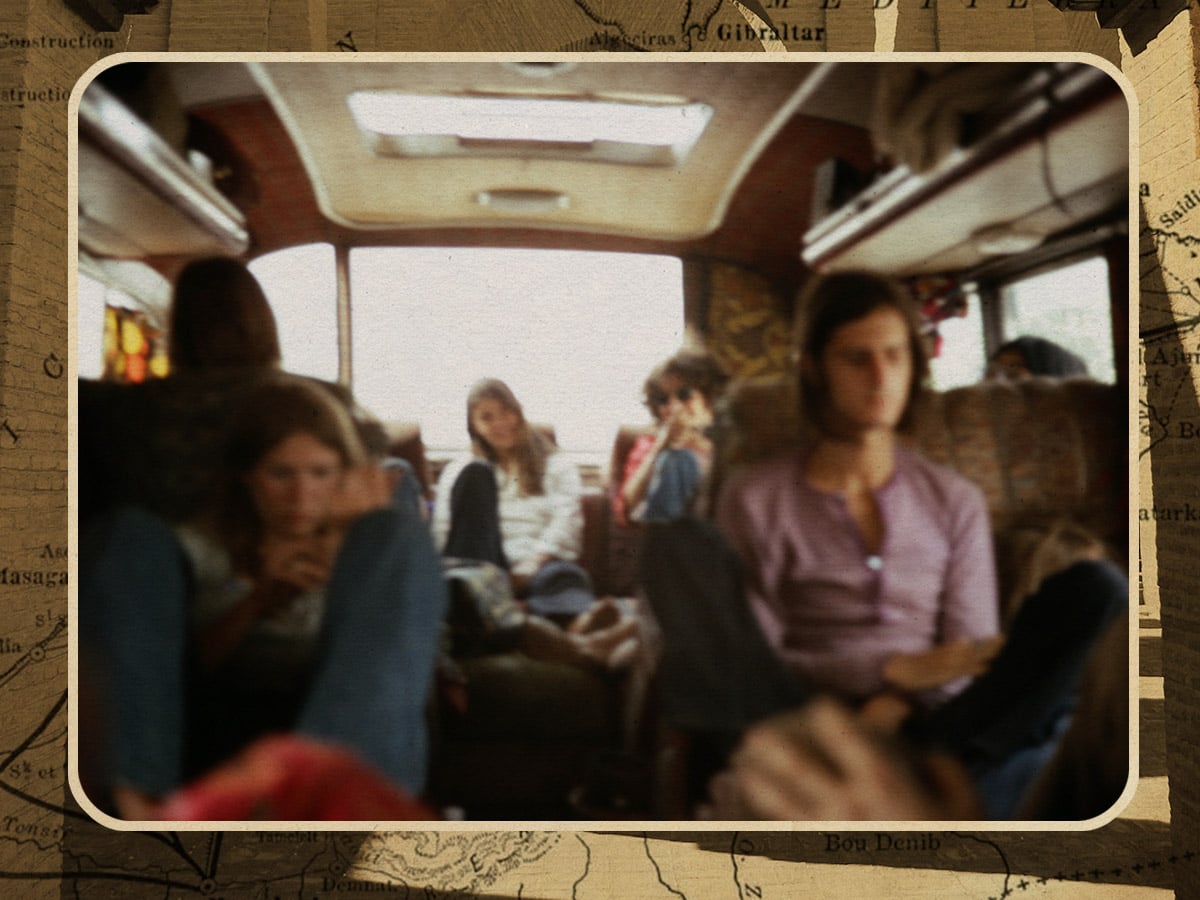
The Rif Mountains were another essential pit stop, and while you won’t see these northern Morocco mountains on your social media, in the 1960s, these hilltops were renowned for growing some of the best marijuana on the planet.
The authorities turned a blind eye to it, the names of villages like Ketama and Chefchaouen were whispered by teens from Surrey to San Francisco, and whether it was battered buses, hitchhiking or long walks, Western tourists would climb the mountains, eager to experience the local culture.
This isn’t like sitting in an Amsterdam coffee shop bunning a zoot next to a horde of Spanish students and a mother and daughter from Philadelphia, and neither was it about debauchery and excess, or Instagram likes, but it was about dissolving boundaries and focusing on spiritual exploration.
The sights and sounds of Morocco seeped into all areas of culture with Crosby, Stills & Nash’s Marraskesh Express and Brian Jones’ The Pipes of Pan at Joujouka, both born in the country, while Jimi Hendrix’s time in Essaouira has become legend since.
By the 1970s, the hippie trail was changing; tourism had increased, media attention had turned on the country, and crackdowns subdued its air of freedom. Homestays were replaced by hotels, and market stalls turned into souvenir shops, with the trail falling victim to the same forces that had made so many young Western men flock its shores in search of something fulfilling.
Today, Morocco looks very different, and the realising of teenage daydreams has moved on to other countries, but in the Western imagination, it still holds a space as the home of escapism and possibility.
