


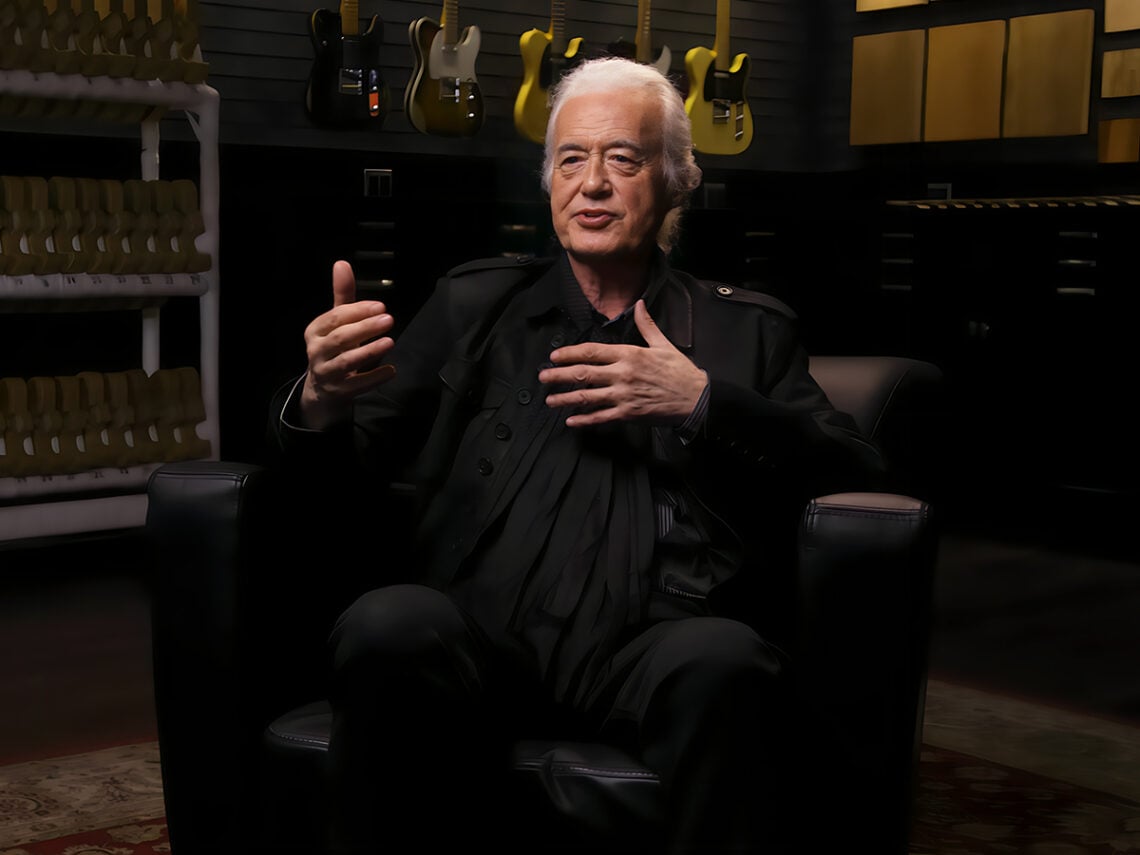
“They don’t know what that means”: The moment Steve Lukather received Jimmy Page’s approval

For guitarists in the glittering worlds of classic rock, it’s easy to be distracted by the limelight. It burned so strongly on the icons of the era that many dedicated their craft to finding it, writing licks that would rival Jimmy Page and have swathes of rock fans screaming for their greatness.
But while Page made it look easy, as though he had risen from the ground with a two-necked guitar in his hand, the truth was anything but. The decade before Led Zeppelin even resembled something of a band, Page was working the London blues scene, switching between a selection of bands, earning his stripes.
What’s more, during the days he spent waiting to go and play live shows, he would be in the studio, grafting away as a session musician for the benefit of other stars. There are countless rock and roll anecdotes that involve a young and relatively unknown Page, laying down a melody or even worse, writing a song and gifting it to someone else entirely. Yes, we’re looking at you, David Bowie.
“The bottom line is that, in the studio world, all the musicians were considerably older than I was,” he once said of his formative years, “So, suddenly, I come in as this new kid on the block, and I’ve got all of these strings to my bow. I was playing fingerstyle guitar and slide, and I was playing harmonica.”
It made the stardom he experienced in the ‘70s a whole lot easier. Something a generation of emerging copycats couldn’t quite wrap their heads around as they lost sight of the important things in music and instead, focused solely on fame.
Page could spot a phoney from a mile away and so chose his company carefully. Only a few would garner the respect of the great Zeppelin guitarist, and among those was Steve Lukather, who, after years of working as a session musician, found himself rolling with Eddie Van Halen.
Being surrounded by company that was so directly inspired by Page meant that there was a palpable sense of anticipation in the air, bordering on nervousness. As they entered the event designed to honour Nigel Tufnel from Spinal Tap, Page greeted the group with ambivalence, until he saw Lukather.
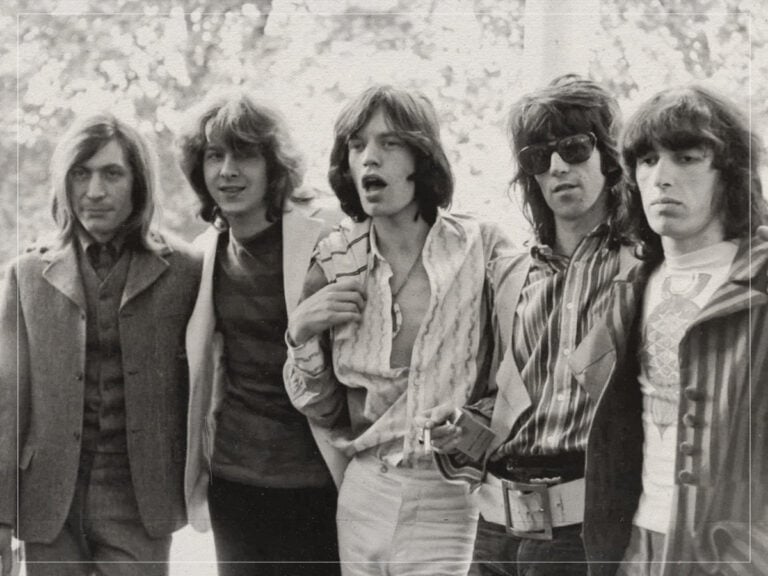


To Lukather’s memory, Page called him over and told him something that would affirm his career entirely. “He said, ‘You have something that these other guys here don’t’. And I go, ‘What’s that, Jimmy?’ He said, ‘You understand, and I understand, but those other guitarists don’t. We were studio players. They don’t know what that means’.”
It was a nod of respect from Page, who was acknowledging that Lukather had earned his stripes as a guitarist and was worthy of the acclaim everybody wanted. Because the crux of what makes a good guitarist isn’t the flashy embellishments that snatch the headlines, but writing and performing parts that benefit the song and ultimately, which is what years as a session musician taught them both.
