


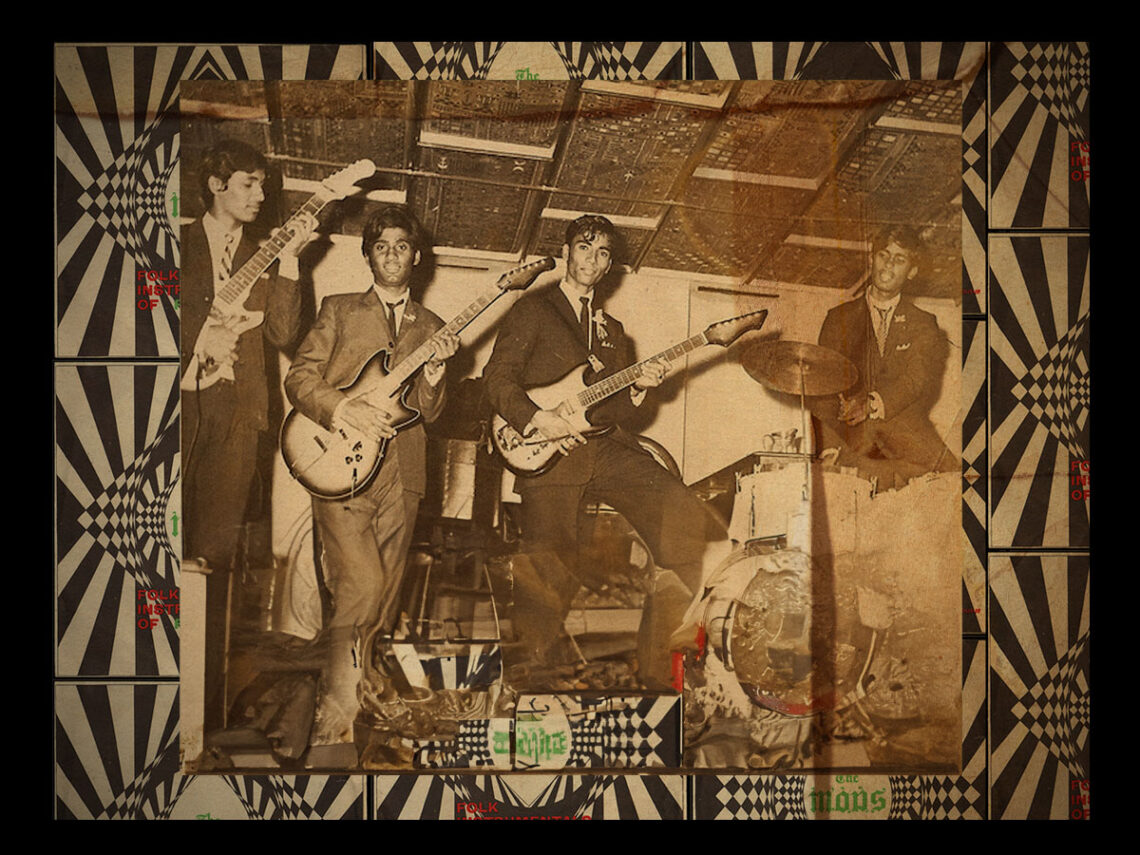
The Mods: When Pakistani folk collided with the swinging sixties

Bright colours, defiant fashions, revolutionary music, and the cheap abundance of drugs; the swinging sixties changed the landscape of music and culture forever. Centred around the sharp modernism of London, the city became a haven for artists, photographers and musicians keen to rip up the cultural rule book. Inevitably, though, the allure of this expansive period soon spread far beyond the confines of Carnaby Street, alerting the entire world to the power of sex, drugs, and rock and roll.
Although the rock and roll music of the 1960s was invariably rooted in American blues, with British Invasion groups like The Rolling Stones or The Yardbirds putting their own unique spin on the sounds of Howlin’ Wolf or Robert Johnson, its cultural influence quickly expanded. By the end of the decade, spurred on by groups like The Beatles and their fateful trip to India, South Asian influences began to seep into the sounds of the 1960s. In turn, regions across South Asia began to experiment with their own defiant music scenes, too.
Pakistan was one such nation, fostering a particularly vibrant and inventive music scene throughout the 1960s. Still in its relative infancy as an independent country, having achieved its independence from British colonial rule only a decade prior, in 1956, the music of Pakistan during this time aimed to hark back to the nation’s heritage and proud roots, while also pushing Pakistan forward into this bold new cultural era. The result was a range of endlessly inventive groups like The Panthers, The Aay Jays, The Bugs, and The Mods.
The Mods are a particularly notable example of Pakistan’s entry into the swinging sixties, perfectly blending the cultural heritage of Pakistan with the infectious sounds emanating from England’s capital. Led by organist Mohammed Yousuf, who would later enjoy a solo career throughout the 1970s, The Mods used typically Western instruments – guitars, bass, and drums – but their music was indebted to the traditional folk music of the Pakistani region.
Tragically, like many of these innovative young groups which emerged from the blossoming night club scenes of cities like Karachi, The Mods have a distinct lack of recorded material. The Pakistani record industry at the time was not overly keen on the youthful rebellion of the swinging sixties, which is perhaps why Pakistan’s swinging sixties era remains such a well-kept secret.
During the course of their existence–which, like virtually everything else about The Mods–is largely unknown, the band managed to record and release two singles for Columbia during their tenure. One of those releases was an EP titled The Mods Present Folk Instrumentals Of Pakistan, which expertly encapsulates the power and innovation at the heart of the young Pakistani music scene during the 1960s.
As the title might suggest, the EP saw The Mods pay homage to traditional Pakistani folk songs, rendering them in a distinctly modern garage rock sound. Drawing upon surf rock, garage, and psychedelia, the record clearly owes a lot to the revolutionary sounds coming from the UK and America. Some tracks even feature the unmistakable sounds of a wah-wah pedal, which went on to become a key aspect of psychedelic rock in the States, with Jimi Hendrix being a key endorsement.
The Mods weren’t just another group attempting to piggyback on the sounds of the swinging sixties. Their innovative blending of Pakistani melodies with beat rock and surf was utterly profound, and remains an unparalleled insight into the nightclub scene which blossomed in Pakistan during the 1960s. The nation’s musical output, particularly its rock and roll landscape, often goes overlooked in the global context of the genre, but these rare records released by The Mods hark back to a forgotten time during which musicians around the world were experimenting with different sounds and cultural influences.
