


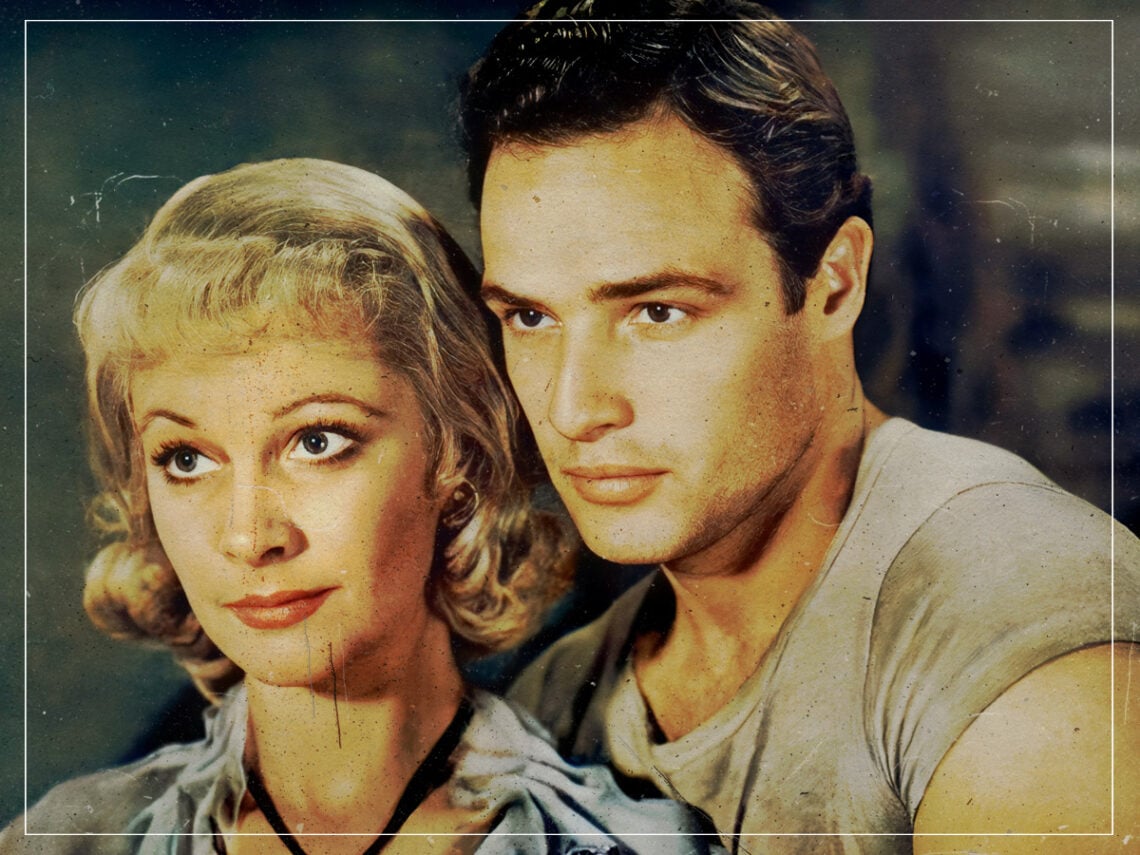
The mental turmoil Vivien Leigh suffered on the set of ‘A Streetcar Named Desire’

A true legend of film and stage, Vivien Leigh accrued a masterful body of work during her decades-spanning career, lending her immeasurable talents to a string of all-time greats along the way.
Caesar and Cleopatra, The Roman Spring of Mrs. Stone, Ship of Fools, Sidewalks of London, and Waterloo Bridge are just some of her most memorable roles, but the two that tower above all others are undoubtedly Gone with the Wind and A Streetcar Named Desire.
Not only did she win an Academy Award for ‘Best Actress’ in both, but Victor Fleming’s romantic epic and Elia Kazan’s emotional drama are comfortably among the greatest features to have ever emerged from Hollywood, an indisputable pair of timeless classics discussed by cinephiles in reverential tones to this day.
The production of Gone with the Wind was famously troubled, but the problems with A Streetcar Named Desire were of an altogether different sort. The breakout role of Marlon Brando’s career, the adaptation of Tennessee Williams’ play pitted two massively talented performers against one another in the lead roles, with the sparks naturally flying as a result.
Leigh was already keenly familiar with Blanche DuBois, having played the part on stage in London, but she ended up butting heads with both Kazan and her fellow cast members, the majority of whom were method practitioners who’d previously starred in the original stage production and viewed her as something of an outsider as a result, despite her experience with the material.
Kazan admitted that “she’d get irritated with me, and I’d get plenty angry with her” before their relationship gradually thawed, although co-star Karl Malden conceded how the filmmaker “made a point of wanting us to try and accommodate Vivien since she was the outsider,” hinting that her scene partners still weren’t quite as welcoming.
Things were even more difficult off-camera as Leigh’s tumultuous 20-year marriage to Laurence Olivier began to take its toll on her mental health. In the years following A Streetcar Named Desire, the actor struggled with nervous breakdowns, anxiety issues, bipolar disorder, and manic depression, with her relocation to America for the film coinciding with those struggles beginning to impact her personal and professional life.
When Peter Finch was tasked with telling her she was being replaced by Elizabeth Taylor in 1954’s Elephant Town following a nervous breakdown, Leigh channelled Blanche by mimicking her accent and one of her most famous lines, telling him to “get out of here quick before I start screaming fire.”
It would be unfair to suggest that A Streetcar Named Desire was the catalyst for Leigh struggling with her mental health issues to a greater extent than ever before, but it remains true that the additional strain it placed on her in a number of ways began at around the same time.
