


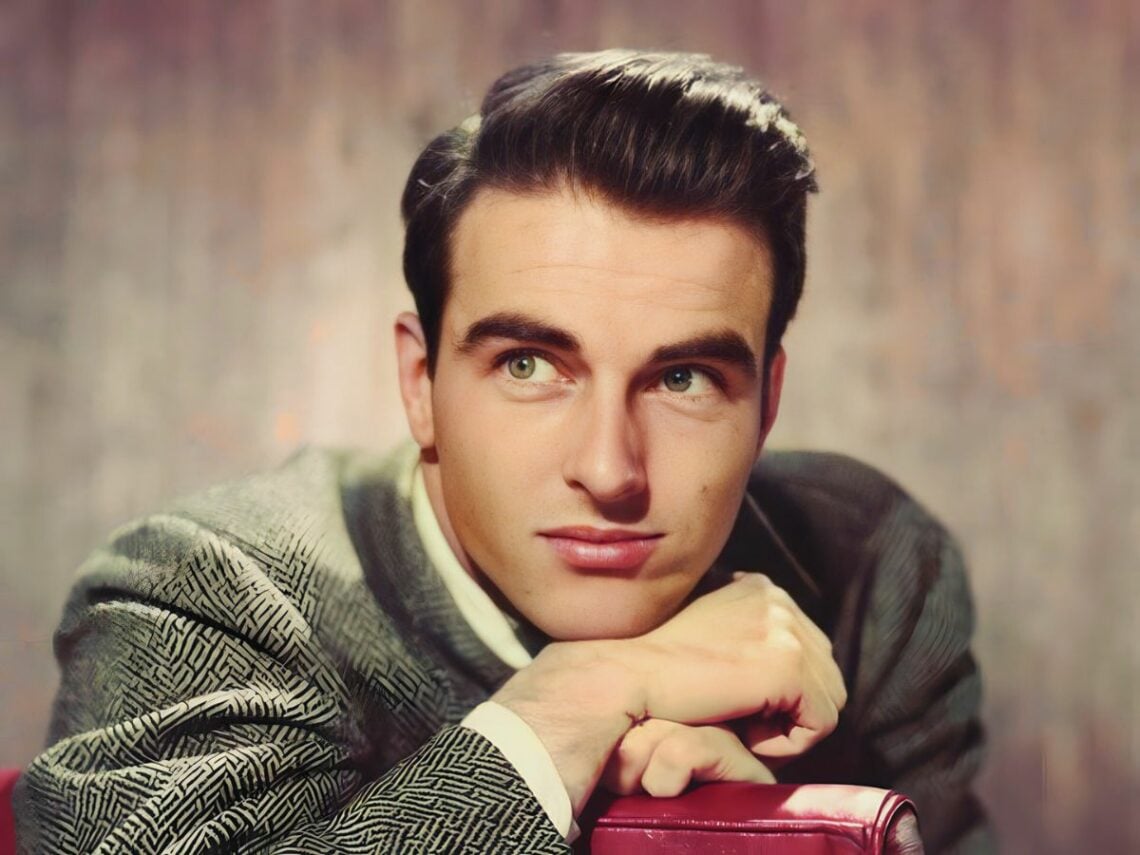
The longest suicide in Hollywood: The tragedy of Montgomery Clift

During the 1950s, Montgomery Clift set the movie world on fire. Like Marlon Brando, Clift offered a new kind of performer—raw, honest, and rebellious. His fresh face resembled something starkly different from the average male lead that was coming from the Hollywood production line, essentially no more than manufactured symbols for how the post-war 1950s man should be. But time on the silver screen was sadly short-lived, and the story behind Clift’s death at the age of 45 is one of the most tragic and heart-wrenching events to happen to an actor in Hollywood.
Clift was blessed with a special quality that very few actors possess. His striking look and compelling screen presence seemed to cast a mysterious spell that swept you off your feet. His turns in Howard Hawks’ western Red River and the frontier-set romance The Heiress are prime examples of his screen power.
Clift’s life outside the movie industry was equally intriguing. He refused to sign a long-term studio contract before his first major Hollywood pictures. After the huge public appeal he had garnered off the back of them, Clift returned to Paramount and negotiated a three-picture deal that allowed him great freedom over the movies he could star in. This kind of deal was unheard of at the time but became the industry standard for actors that followed ever since.
What’s also fascinating is that Clift, even at the height of his fame, spent as little time in Hollywood as possible, residing most of the time in New York. When he needed to work on a movie, he would rent a $10-a-night hotel, which friends of his would describe as “beat-up”. Clift had no interest in attending fancy show-biz parties or visiting nightclubs. Instead, he spent his downtime reading Chekov and going to late-night public court hearings as a way to immerse himself in “real-life people”.
Because of Clift’s reclusive lifestyle, by Hollywood standards, a lot of speculation was made about the actor’s sexuality in the press. It is assumed that Clift was homosexual, though close friends over the years have suggested he was bisexual. However, he was linked to actors Libby Holman and Phyllis Thaxter for some time.
Then, in 1956, during the filming of the western war drama Raintree County, Clift was involved in a horrific car accident that badly injured his face. According to Clift’s doctors, it was “amazing” that he was even alive. Clift retreated from the public eye during the storm of publicity that surrounded the accident. After some months of intensive surgery and rehabilitation, the production resumed on Raintree County.
However, Clift was in a tremendous amount of pain throughout the years that followed the accident, and the star turned heavily to alcohol as a means to medicate. Clift continued to make a string of other movies after Raintree Country, including The Misfits, Wild River, and Judgment at Nuremberg. However, during that time, his physical pain and still-mounting pressure for Clift to reveal aspects of his private life proved too much.
The actor, as suggested by sources close to him, “drank himself to death”, now referred to as the “longest suicide in Hollywood”. Clift died of a heart attack in a New York City hospital in 1966. It’s an incredibly sad ending to the life of a truly phenomenal actor and a brilliant man, and his imprint on cinema history will be cherished forever.
