


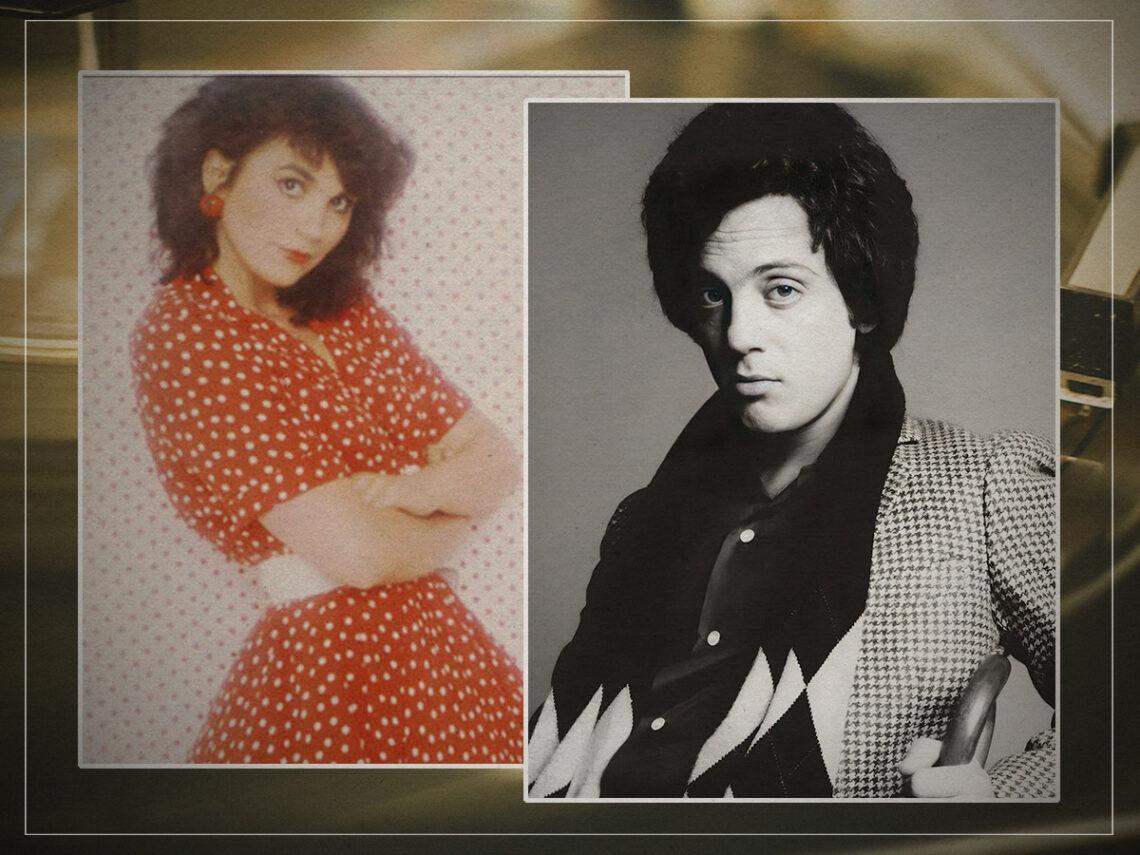
The hit Linda Ronstadt convinced Billy Joel not to discard: “It’s a chick song”

“I never wanted to be anything but a singer,” Linda Ronstadt once said. “I thought that I would be singing at pizza parlours or Holiday Inns…I didn’t have an ambition when I started.”
Ronstadt was just 18 when she joined the LA music scene. But even in youth, the decision to go to California was anything but naive. Or egotistical, for that matter – even though leaving Tucson left a bitter taste in her mouth, though that had more to do with leaving her parents (who tried to get her to stay) than ditching home for a new life where all the stars were.
But ultimately, that’s what made it a no-brainer. “I had to get to where the music was,” she told Route Magazine. “It was a new world.” Ronstadt eventually joined the central crowd at The Troubadour, but she also frequented venues like The Ash Grove, where she would watch folk bands like The Rising Sons and realise what it meant to be someone who observed with humility and let the established musical excellence guide the way.
Because that’s also one of the biggest, most quintessential aspects of what Ronstadt learned in the LA music scene and throughout the counterculture movement in a broader sense – how to observe with a quiet confidence, and immerse herself in the sounds of others while also knowing what it was that she had to bring to the table. While also letting it shape her vision, without dictating how she should be.
Ronstadt had always looked up to singers like Lola Beltrán and leaned on bands such as Mariachi Los Camperos for guidance. They stood by her in rehearsals and helped her work bits of her heritage into the music. So when it came to offering a hand to Don Henley and Glenn Frey, she already had the chops, showing them how to nail down a country-rock sound they could properly call their own. Of course, it wasn’t always so calculated. Every now and then Ronstadt would just drop in the odd quip to help out, a quick word in passing, or a little nugget of advice that sticks in your head.
For instance, Ronstadt had been working in the same studio as Billy Joel during his sessions for The Stranger, and he had just recorded his classic ‘Just The Way You Are’ when she caught wind of his decision to leave it off the album. Stunned, she encouraged him to reconsider. “[Ronstadt] said ‘You guys are crazy you’ve gotta keep that on the album,’” Joel told MassLive. Adding, “We said ‘Yeah? Well ok, I guess girls like that song, it’s a chick song.’”
Clearly, it wasn’t anything specific or necessarily pragmatic that made Ronstadt a good mentor, but her natural ability to know when a song is good based on pure feeling. She let this basic instinct carry her throughout the entire scene and movement, already equipped with the knowledge and know-how when it came to good and bad art, and the people actually worth her attention. The ones who ruffled feathers in subtle, albeit disruptive ways.
Like Bonnie Raitt, who once said “was the first girl to get up onstage and play the guitar and have the guys say, ‘Hey, she doesn’t play like a girl.’”
