


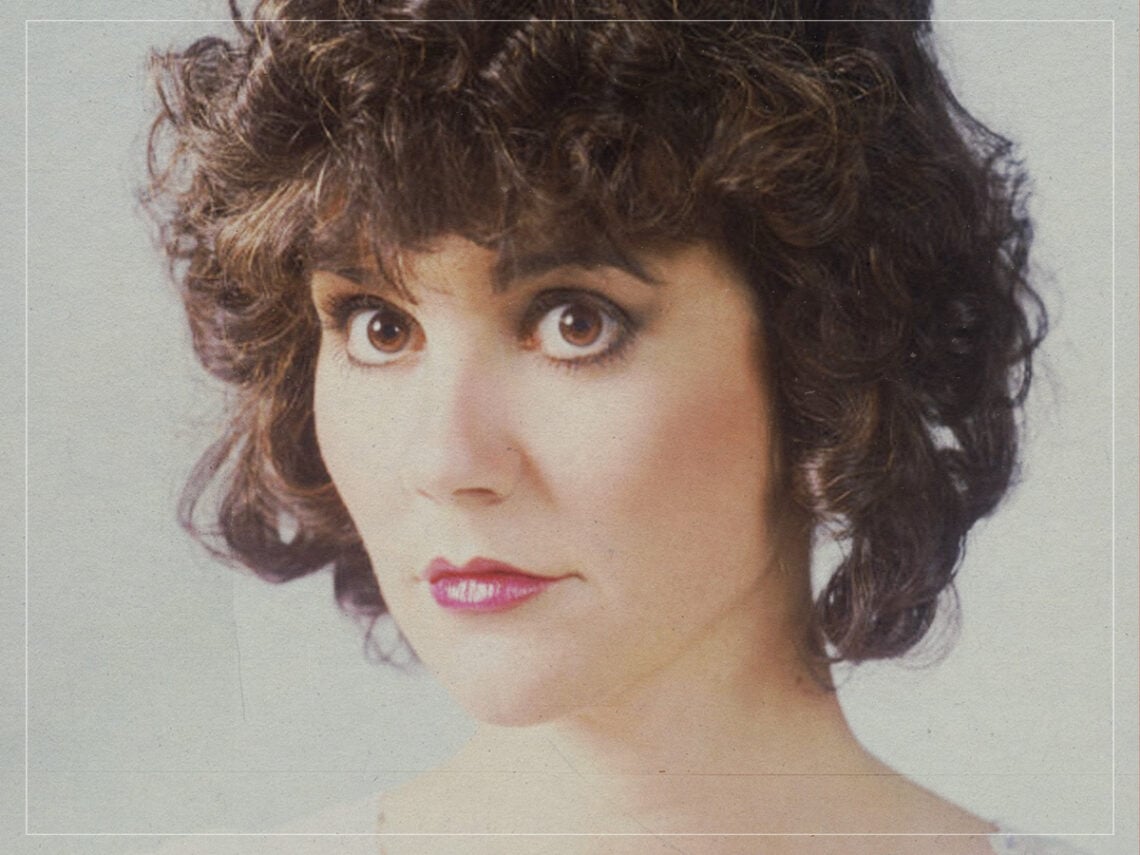
The bands that “mentored” Linda Ronstadt

“I have a little rule for myself: I never try to do any kind of music that I hadn’t heard at home by the age of ten,” Linda Ronstadt once said, and while there are many reasons for her immense success, there’s no denying it all started here.
Much like how our family environment growing up shapes most of us, Ronstadt’s attitude towards music came from the same space. Through learning indigenous Mexican rhythms like huapango with her brothers and learning the beauty of her heritage in ways that would infiltrate much of her own work, only then would it be deemed the sounds that eventually earned her the label ‘Queen of Country Rock’.
But before all of that, it started in Mexican country music with styles that influenced the way she’d later perform rock ‘n’ roll. As she once explained to Uncut, “Mexican country music was always in my background and really informed my rock ’n’ roll singing style more than anything.” As such, one of the biggest names she became endeared to was Lola Beltrán (the Mexican version of Édith Piaf, according to Ronstadt).
As a young singer absorbing everything from the great Mexican structures to the singers who revolutionised the entire scene, Beltrán was a principal guiding force. She was someone Ronstadt looked up to and tried to imitate with her own singing, namely because she had this “huge belting style” that Ronstadt immediately fell in love with—an effortless kind that set her on an unrelenting path to achieve the same.
When she’d emerge in the LA music scene some years later, immersed in the same spaces as those who frequented venues like the Troubadour, Ronstadt already seemingly had a sense of expertise about her that she probably didn’t realise at the time (or even now). Maybe that’s because she’s famously her own worst critic, or once recalled the Troubadour as a place where two types of mindsets emerged with the opportunity to perform and have themselves be heard in ways they wouldn’t have elsewhere.
But as a burgeoning mentor herself, Ronstadt always had her heart and eyes open. But before this became her unintentional role, she found mentorship in two other bands, ones that shaped her approach to music and firmed up what she had to offer the rest of the world. “I was working with the best mariachi group in the world, the Mariachi Vargas, and they introduced me to another band, Mariachi Los Camperos,” she told Uncut, reflecting on the success of Canciones de Mi Padre.
“[They] are the second-best group in the world or the equally best group in the world, and they mentored me,” she continued. “They were living in Los Angeles at the time, working there, and they mentored me. I’d go down and rehearse with them, and they’d help me. In the mornings, before I’d record, I’d be working with a tape in bed, six o’clock, trying to get the songs into my mouth and into my muscle memory.”
Adding, “Because I don’t speak Spanish – I know some words in Spanish, I can do some sentences in the present tense, but I’m not fluent. There’s a lot of Mexican records that sell in huge numbers here, so it’s hard to believe that this album is the biggest non-English-language record to this day.”
The first of Ronstadt’s Mexican Mariachi music, Canciones de Mi Padre was an immediate hit – a relatively unheard of feat considering the songs are in Spanish. But Ronstadt channelled all her influences in this project – everything she’d already heard and fallen in love with before the age of ten, including Beltrán and Chicano hero Lalo Guerrero – to prove that nothing was ever about following trends, and stepping away from expected tropes always means honouring your own artistic integrity.
