


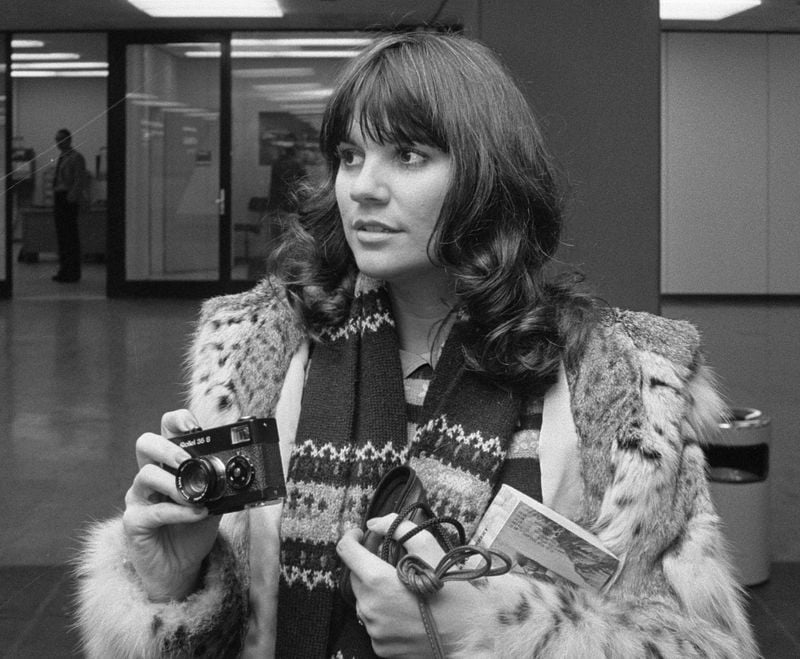
The reason Linda Ronstadt once admitted to being “horrified” by her own music

Despite her label ‘Queen of Rock‘, Linda Ronstadt has always exceeded the limitations of her own descriptions, finding her footing in the circles that frequented the Troubadour with an approach that blended contemporary rock sensibilities with her heritage. Ronstadt isn’t just a legendary musician, she also brought a different spark to the scene that championed mentorship and open-mindedness.
From the 1960s onwards, the names that blossomed from the same clubs as Ronstadt are ones we still celebrate today, including Neil Diamond, Elton John, Joni Mitchell, Carole King, James Taylor, and more. What made Ronstadt feel particularly enamoured wasn’t just the sheer talent but also how the scene in Los Angeles felt completely organic and unforced, allowing space for those with great talent to showcase everything they had to a willing and enthusiastic audience.
In Ronstadt’s view, venues like the Troubadour weren’t just physical stages; they were special capsules where magic thrived, building and enabling communities where anybody had a chance to make it based on authenticity, which wasn’t always the case in the music industry. As she once said: “[It’s] really responsible for the entire music scene over here. It’s a place where performers can be very comfortable and do their best and other can people can see them.”
Ronstadt’s view stems from a broader facet of her demeanour, which places honesty and openness as key qualities in music and creative spaces. The singer could have approached the scene and her career with more punch, matching up her self-belief with her genuine talent, but she never really entertained such pretences as much as she enjoyed being a part of it all, even if she didn’t always believe she deserved her place.
And most of the time, it seemed she didn’t. In fact, Ronstadt is on record claiming she doesn’t like any of her albums, saying that the mere idea of listening to them “horrifies” her when she would rather just ignore that they exist. However, there are moments on certain albums she dislikes less, which are usually ones signposted by major moments in her life and career.
Explaining this to The Guardian, she said: “When I listen to all my old stuff, I tend to be horrified. I feel as if I really started learning how to sing in around 1980. […] I don’t like any of [my albums], but there are moments on some records that I like.”
Adding: “The one with Nelson Riddle; the Trio records I did with Dolly Parton and Emmylou Harris. I made a record with Ann Savoy, the Cajun singer, after I got Parkinson’s disease, and I could barely sing. I had to whisper everything, but that was a really successful record for us.”
Ronstadt always held her art to higher standards than most. Even during her rise to fame, she didn’t do what most did in terms of commercial pandering; she brought with her countless influences she grew up listening to, setting an unspoken rule for herself that meant she would never try to recreate any music that she hadn’t already heard by the age of ten.
“Mexican country music was always in my background and really informed my rock ’n’ roll singing style more than anything,” she once said, her favourites bleeding into her humble demeanour that meant she always felt she landed just a little short, even when her talent far exceeded most other swimming in the small circuit that pervaded the Troubadour and extension to the rest of the world.
