


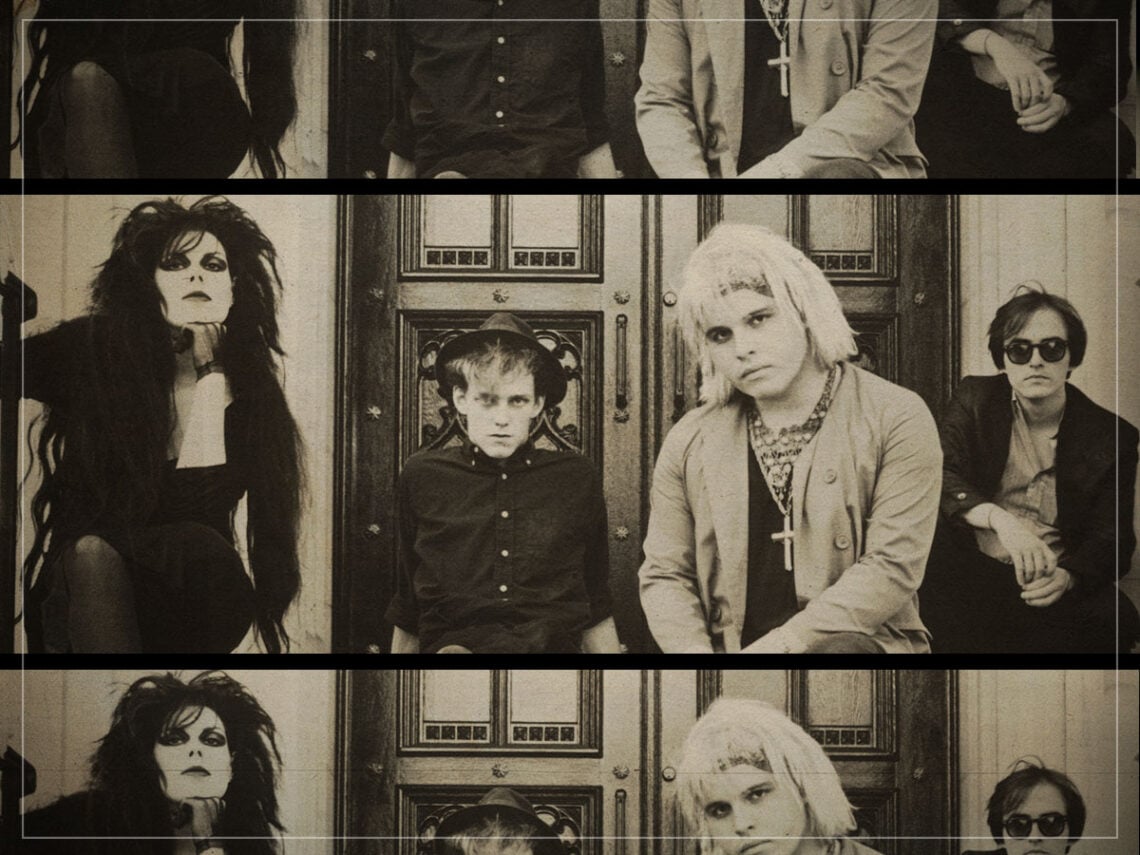
The Gun Club: the band that should be “taught in schools”

When it comes to discussing legendary punk acts, The Gun Club aren’t always the first to spring to mind. They aren’t treated with the same kind of reverence as the likes of The Clash or New York Dolls, and yet they were arguably just as important to the movement despite having arrived somewhat after the boom of the punk phenomenon during the mid-to-late 1970s.
However, while their legacy may not have led to their name being part of the list of icons of a movement, what they did manage to establish themselves as is a cult act, one that will be remembered and passed down through generations of music devotees. The number of acts they’ve inspired is far-reaching, with the likes of Mark Lanegan and Black Francis having sung their praises in the years since their disbandment. Jack White has even gone on record asking: “Why are these songs not taught in schools?”
So if those in the know so revere them, why did they never manage to turn themselves into a household name at the time? For one, they were a little different to the rest of the punk scene and weren’t your archetypal purveyors of rebellious and angry blasts of fury. Instead, they were more on the artful side like many of their British counterparts, such as Gang of Four, Wire and Swell Maps. It was clear that their approach to things was an evolution of punk as opposed to a continuation, and since they arrived at the start of the 1980s, when punk had begun to slow down, their chances of ever becoming more well-known were already slim.
What The Gun Club offered was a fusion of sounds, playing in a psychobilly-style that incorporated elements of country and folk as well as garage rock and psychedelic music. It wasn’t your run-of-the-mill three-chord punk that the Ramones peddled; it was something far stranger than that. Sure, there was still a brashness that other acts that came before them had, but they were taking things in a direction that would ultimately shape where things would head in the ‘80s. Acts like REM and Hüsker Dü would take huge amounts of inspiration from their output, and that legacy still holds strong today.
Their first two albums, Fire of Love and Miami, are often regarded as their best, but the Los Angeles band lived on until 1996 and continued to release music of a similar calibre throughout their existence. While their primary songwriter and frontman, Jeffrey Lee Pierce, was a constant throughout the band’s lifespan, they would, unfortunately, suffer from having to contend with several lineup changes over the years, with a list of former members that Mark E Smith would likely be proud of the length of.
Among their most notable past members were Kid Congo Powers, who also enjoyed stints in The Cramps and the Bad Seeds while coming and going from the group, while Patricia Morrison was only with The Gun Club for a short period before working with The Sisters of Mercy and The Damned. With Pierce the only member to be part of the group for the full 16 years, it was his tragic and untimely death that ultimately caused the group to come to an end in 1996.
If you’re looking for more new music that continues to push the same sound, there are shades of songs like ‘Sex Beat’ and ‘She’s Like Heroin To Me’ present in today’s post-punk revivalists, with early works of Parquet Courts, Protomartyr, and even Fontaines DC showing off aspects of what The Gun Club brought to the world, whether unwittingly or not. When people are still making statements like Jack White did about their importance, you begin to realise that they’re the sort of act that will forever be cited as ‘your favourite band’s favourite band’, and while that’s not seeing White’s dream of them being introduced into the curriculum come to reality, it’s hardly a bad tag to carry.

Never Miss A Beat
The Far Out Punk Newsletter
All the latest Punk content from the independent voice of culture.
Straight to your inbox.