


“It is just perfection”: the guitarist David Lynch called “beyond the beyond”

David Lynch’s vision was so singular that the word ‘Lynchian’ had to be invented to describe it. People use the term for strange, eerie, dreamlike aesthetics, black-and-white sequences and seductive red visuals, but Lynchian style is nothing without its soundtrack.
Besides all the other cornerstones of his style, like his love for non-linear plots or his enduring fascination with middle America, Lynch’s love for music stands as one of the most essential elements to the director’s work.
Even in his debut feature, Eraserhead, it’s the weird musical sequence that sticks in viewers’ minds most as he cuts away from the characters, away from the plot, and simply zooms into the radiator where we find a strange cotton-wool-headed woman, ready to sing us a song. “In heaven, everything is fine,” she sings, performing a track even written by Lynch just for that moment.
From that point on, music remained vital throughout his career. Even in films without obvious musical sequences, he would bring in major names to shape the soundtrack, such as recruiting Toto for Dune or beginning his long collaboration with Angelo Badalamenti in the mid-1980s, which lasted for the rest of his career. Often, his films also featured a signature song drawn from pop culture and from Lynch’s own listening habits. Blue Velvet includes Roy Orbison’s ‘In Dreams’ as well as its title track. Wild at Heart features Elvis Presley’s ‘Love Me’, while Mulholland Drive uses Connie Stevens’ ‘Sixteen Reasons’, all showing that Lynch was simply a huge music fan.
Music was forever a source of inspiration for him, where, as a kid, he went to see The Beatles perform live, and his love for tunes endured as a crucial part of his life, leading him to end each episode of Twin Peaks: The Return with a musical performance from some band or another that he would personally invite, including acts like Nine Inch Nails, Sharon Van Etten, and Eddie Vedder.
However, as he talked about one of his favourite acts, the bridge between sounds and sights that always seemed to make sense to him became clear to the larger audience, once gushing on a panel discussion at BAM, “Neil Young’s guitar-playing is beyond the beyond”.
Celebrating the work of the 1970s legend, he played Young’s 2010 track ‘Love and War’ for the crowd, stating, “It is just perfection”.

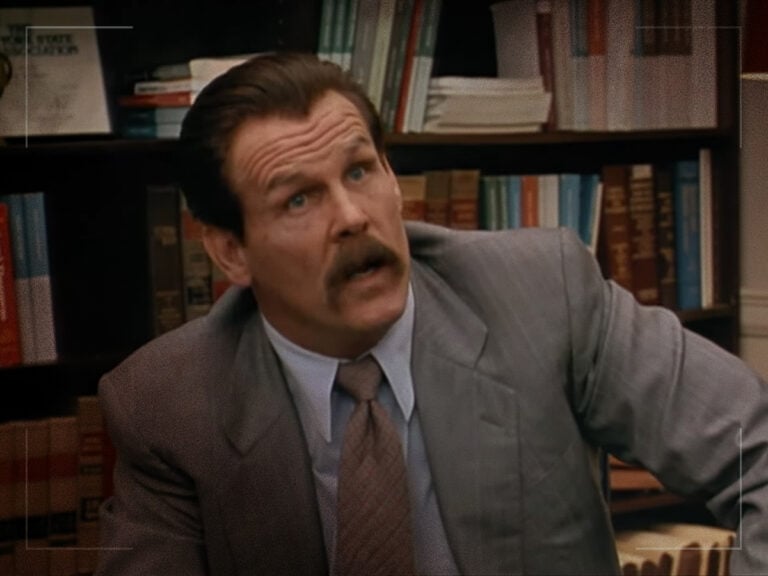
In particular, he implored people to go watch the music video, telling the crowd, “It’s a great song, and it’s a black-and-white video. You can check it out on YouTube!” When watching it, the video is really nothing but a simple performance clip, but it is shot in the kind of grainy black and white that Lynch always loved.
As the musician sings about conflict and violence, the simple bleakness of the video suits perfectly, tying the concept and the visuals together in the same neat way that the entire Lynchian style was all about.
