


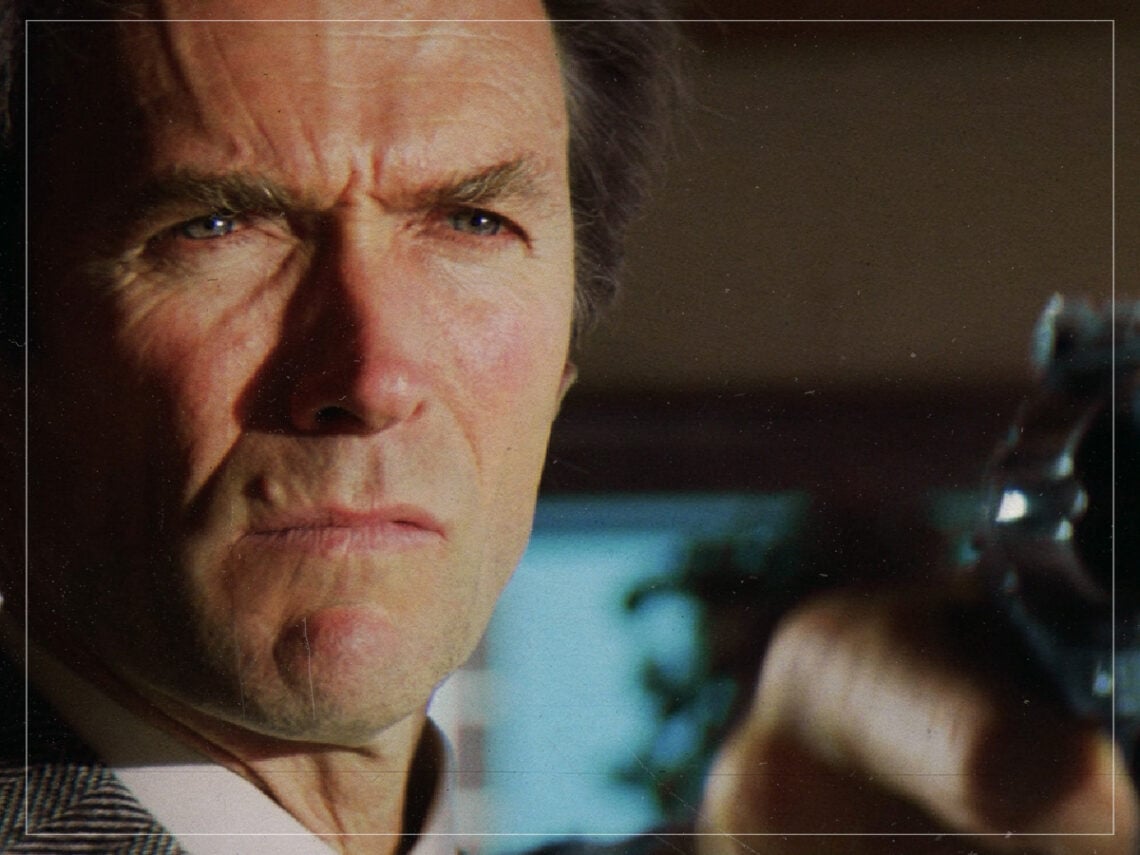
The greatest director of all time, according to Clint Eastwood: “He knew more about filmmaking than anybody”

Having helmed 40 features over a period of more than 50 years and won four Academy Awards along the way, it would be fair to say that Clint Eastwood knows an awful lot about the art of filmmaking.
Few figures in Hollywood have accumulated such a broad understanding of the industry. Eastwood’s longevity has allowed him to witness multiple eras of filmmaking, from the studio system’s decline to the rise of modern blockbuster cinema, giving his opinions particular weight among his peers.
That’s without even mentioning his legendary career on the other side of the camera, either, which gives the distinguished veteran a knowledge that few in cinema history have ever been able to match. There are plenty of iconic actors and iconic directors, but there aren’t many who’ve done both, and Eastwood is one of them.
That dual perspective has often shaped Eastwood’s approach behind the camera. Having spent decades working with directors of wildly different styles and temperaments, he developed a practical philosophy centred on efficiency, trust and allowing performers the freedom to do their best work.
It would have been easy for him to coast along on name and reputation alone, but the fact the star is still going strong into his 90s indicates that his hunger and adoration of the moving image remain as voracious as ever. Sure, he’s scaled back his output as an actor significantly over the last decade and a half, but he remains prolific, wielding the megaphone.

It helps that he’s worked with some of the all-time greats during his decades-long stint at the summit of the industry, but there’s one in particular who Eastwood anointed as the single most knowledgeable filmmaker he’d ever encountered. Looking at the names he’s collaborated with in various capacities, that’s a lofty honour, with the man who helmed one of his most unforgettable turns taking top honours.
In a conversation with The Guardian, Eastwood said Don Siegel “knew more about filmmaking than anybody I knew,” with his director on Dirty Harry, The Beguiled, Escape from Alcatraz, Coogan’s Bluff, and Two Mules for Sister Sara somebody who “knew how to do a lot with very little.”


“Don Siegel was much more of an old-school, B-movie director,” Eastwood explained. “He made some of the best B-movies ever made: Invasion of the Body Snatchers, Riot in Cell Block 11.” The star also believed that the filmmaker’s years spent working in the montage department for Warner Bros helped steep him in the milieu of the moving image, which gave him a solid grounding before he’d even made his debut as a director.
Siegel was never a fixture of awards season and didn’t receive any recognition from the Oscars or Golden Globes during a career that spanned from the early 1940s to the early 1980s, but accolades and acclaim didn’t matter in his—or Eastwood’s—book. Labelling somebody as the architect of glorified B-movies and nothing else could come across as disparaging, but Siegel’s five-time collaborator intended it as the utmost compliment.
For both men, filmmaking was ultimately about craftsmanship rather than prestige. Commercial success and critical recognition were welcome bonuses, but neither viewed awards as the primary measure of a director’s ability.
His filmography alone speaks volumes to his range and versatility, with Siegel churning out action flicks, crime thrillers, police procedurals, sci-fi capers, westerns, psychological horrors and more, which in Eastwood’s estimation gave him the greatest breadth of knowledge and know-how out of anyone he’d ever encountered.
In many ways, Eastwood’s admiration for Siegel reveals the qualities he values most in filmmaking: versatility, efficiency and an unwavering commitment to the story. While others may remember Siegel for a handful of classics, Eastwood saw something deeper—a filmmaker whose mastery of the medium came not from accolades but from an extraordinary understanding of how movies work.

Never Miss A Tale
The Far Out Clint Eastwood Newsletter
All the latest stories about Clint Eastwood from the independent voice of culture.
Straight to your inbox.