


The five most disastrous rock festivals of the 1970s

Not long after the Beatles inspired thousands of teenagers to start their own bands, the massive cultural moment of Woodstock had a similar, if decidedly less fruitful, impact on a bunch of low-level concert promoters looking to grab their own piece of the rock festival pie at the dawn of the 1970s.
Starting a terrible garage band might result in annoyed neighbours and a drop in self-confidence, but organising a terrible music festival is another matter altogether, one that leads to multiple casualties, disease outbreaks, towering infernos, and serious jail time; take, for example, the long-forgotten Fourth of July festival held at Chuck Berry Park in Wentzville, Missouri, in 1974.
Not merely named in the rock star’s honour, this 30-acre park was also part of Berry’s own personal estate, and as such, he was the semi-official host for this ill-fated festival. The actual promoter behind the event, however, was 27-year-old Paul Edward Hindelang, a graduate student in accounting at the University of Illinois, later to rise to infamy as the convicted ringleader of one of the largest marijuana smuggling operations in the country.
In the summer of ‘74, though, Hindelang was just a frustrated festival newb, trying to convince his line-up of 11 acts, including headliner Leon Russell, to come and play despite swirling rumours of money shortages. “I went [by helicopter] to the Marriott Motel at 9:30 this morning to tell the bands that everything was all right,” Hindelang later told the St Louis Post-Dispatch, “When I came back at 11:30, the crowd had doubled in size. But in that two-hour period, there was not one ticket sold at the box office.”
Hindelang theorised that his hired ticket-takers had gone rogue and weren’t tearing the tickets at the gates, choosing instead to resell them outside and pocket the earnings. But this was almost certainly bullshit; Hindelang was a criminal in training, and this festival was designed to fleece both its attendees and its artists. In the end, Leon Russell, Dave Mason, and Peter Frampton all decided to no-show, suspecting they weren’t going to be paid what they were promised (REO Speedwagon apparently toughed it out and played).
In response to finding out almost all of the biggest names weren’t going to play, the 20,000 people gathered at Berry Park expressed their dissatisfaction by blaming a blindsided Chuck Berry, pummeling his house with rocks and setting some of the park’s port-o-lets on fire. Those who didn’t resort to violence in Wentzville, according to news reports at the time, could be found either smoking weed, selling drugs at makeshift craft stalls, strolling around in the nude, and/or playing Frisbee. The point of this story isn’t just to explain how ramshackle the average regional rock fest had become by the mid ‘70s, however. The more critical thing to note is that the July 4th disaster at Chuck Berry’s farm wasn’t even the worst festival in Missouri that month.
The five most disastrous rock festivals in 1970s history
Ozark Music Festival, 1974
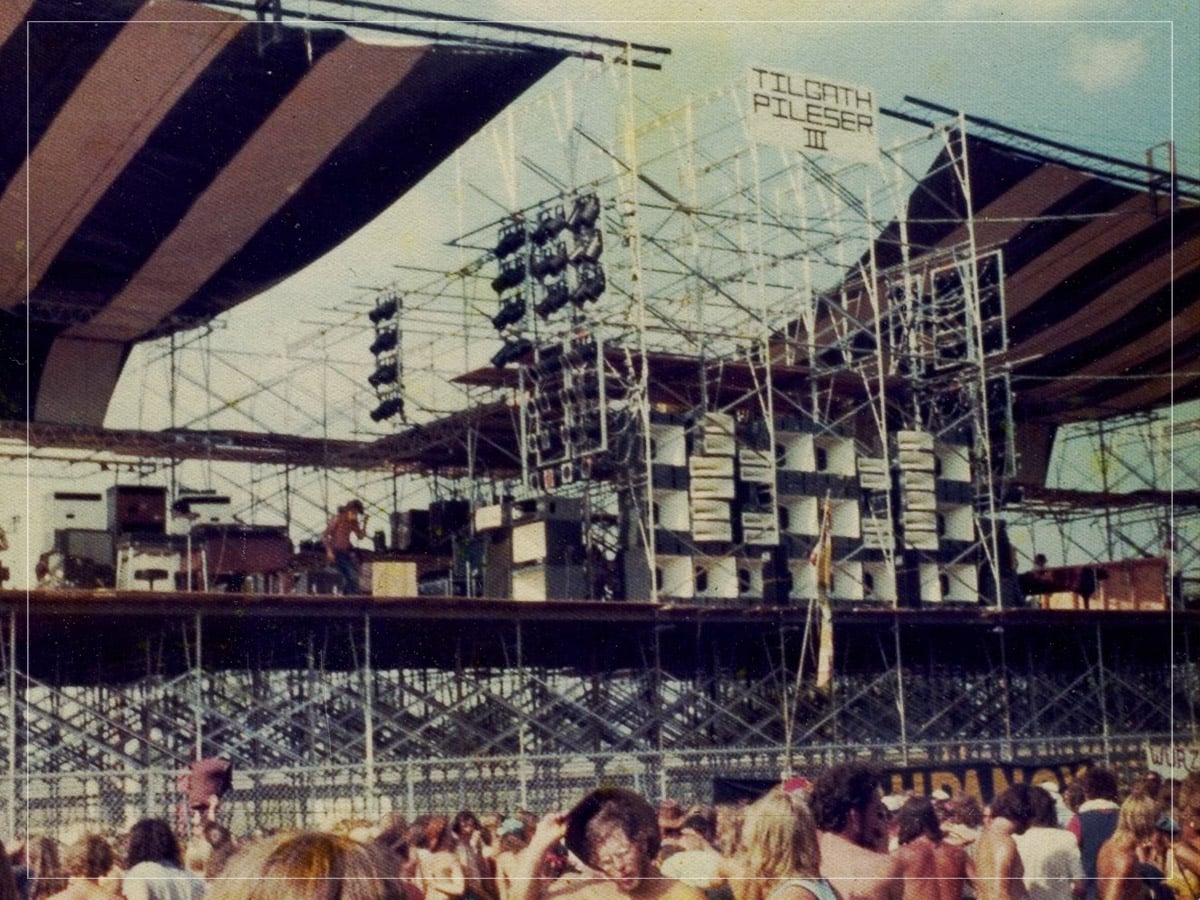
Just two weeks after the severe blowback and controversy of Paul Hindelang’s giant rip-off event in Wentzville, another rock festival, just two hours west in the town of Sedalia, Missouri, would put it to shame as a true modern marvel of incompetence and depravity.
“This was no festival, it was a drug orgy,” reported the St Louis Globe Democrat. Taking place over three days, the Ozark Music Festival was hosted by the famed radio DJ Wolfman Jack and boasted a pretty strong line-up, with Eagles, America, Lynyrd Skynyrd, Marshall Tucker Band, and poor REO Speedwagon, who’d barely survived the Chuck Berry fest earlier in the month.
Unfortunately, the weekend was again ruined by shady promoters, who’d told the venue they’d be putting on a country-western fest for about 30,000 people, and ended up drawing an estimated 160,000 for their big-name rock show. Half of those people were denied entry, leading to a takeover of the grounds by motorcycle gangs and thugs carrying “long steel bars as they roamed through the crowd in menacing fashion”.
A lot of the drugs going around were apparently laced with other agents, causing at least 1,000 people to require emergency treatment. Another 2,000 were treated for heat stroke and numerous other injuries, ranging from assaults and stabbings to getting run over by a car. One man was apparently gouged in the face by another with a hook for a hand. In total, 300 attendees ended up in the hospital, as local officials pushed forward legislation to make any future rock festivals illegal in the county.
Erie Canal Soda Pop Festival, AKA Bull Island, 1972
Missouri and Illinois are neighbour states with a number of not-so-friendly sports rivalries.
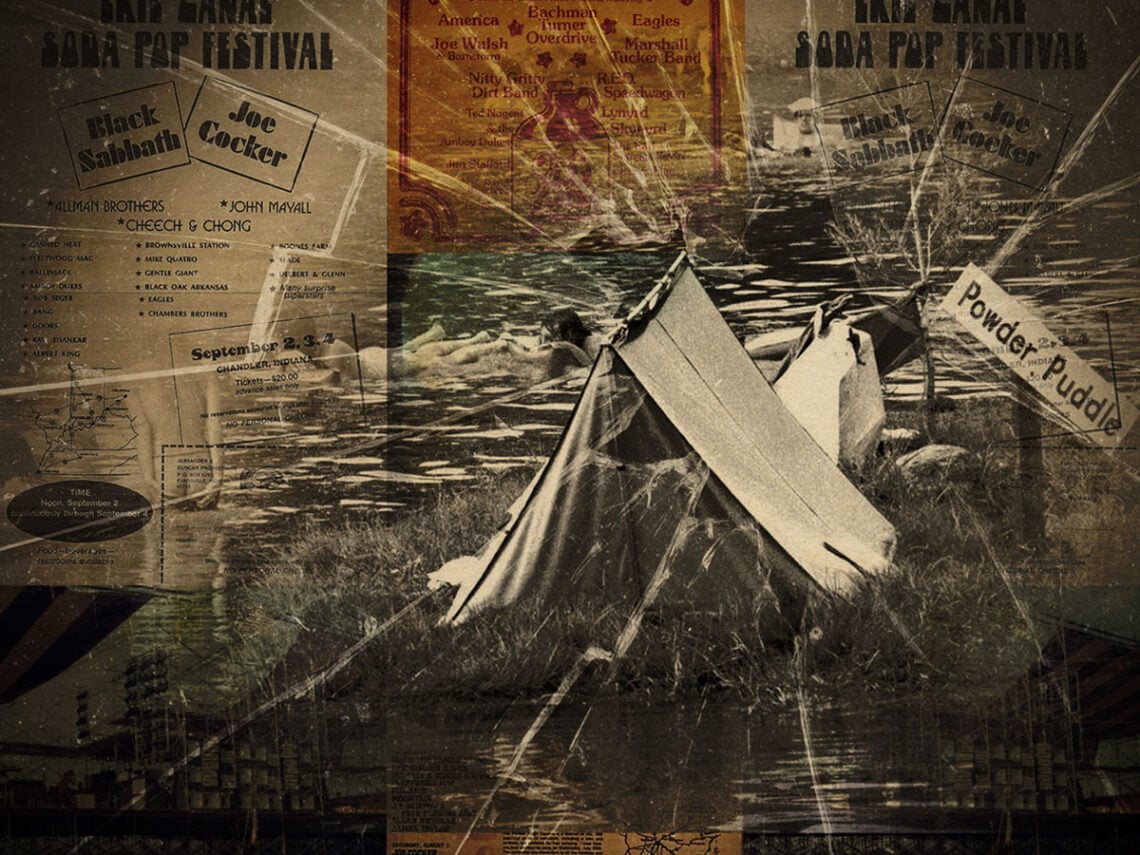
So, while the Ozark Music Festival was certainly a strong entry in the annals of festival disasters, Illinoisans will proudly argue that the Erie Canal Soda Pop Festival, also known by survivors as the Bull Island Festival, was the superior example in the genre.
Staged over the Labour Day weekend in 1972 on a patch of low-lying land near the Indiana border, the event was promoted as another giant, youthquake-style rock gathering, with a fantastic line-up led by the likes of Black Sabbath, the Allman Brothers Band, Joe Cocker, Fleetwood Mac, and of course, REO Speedwagon.
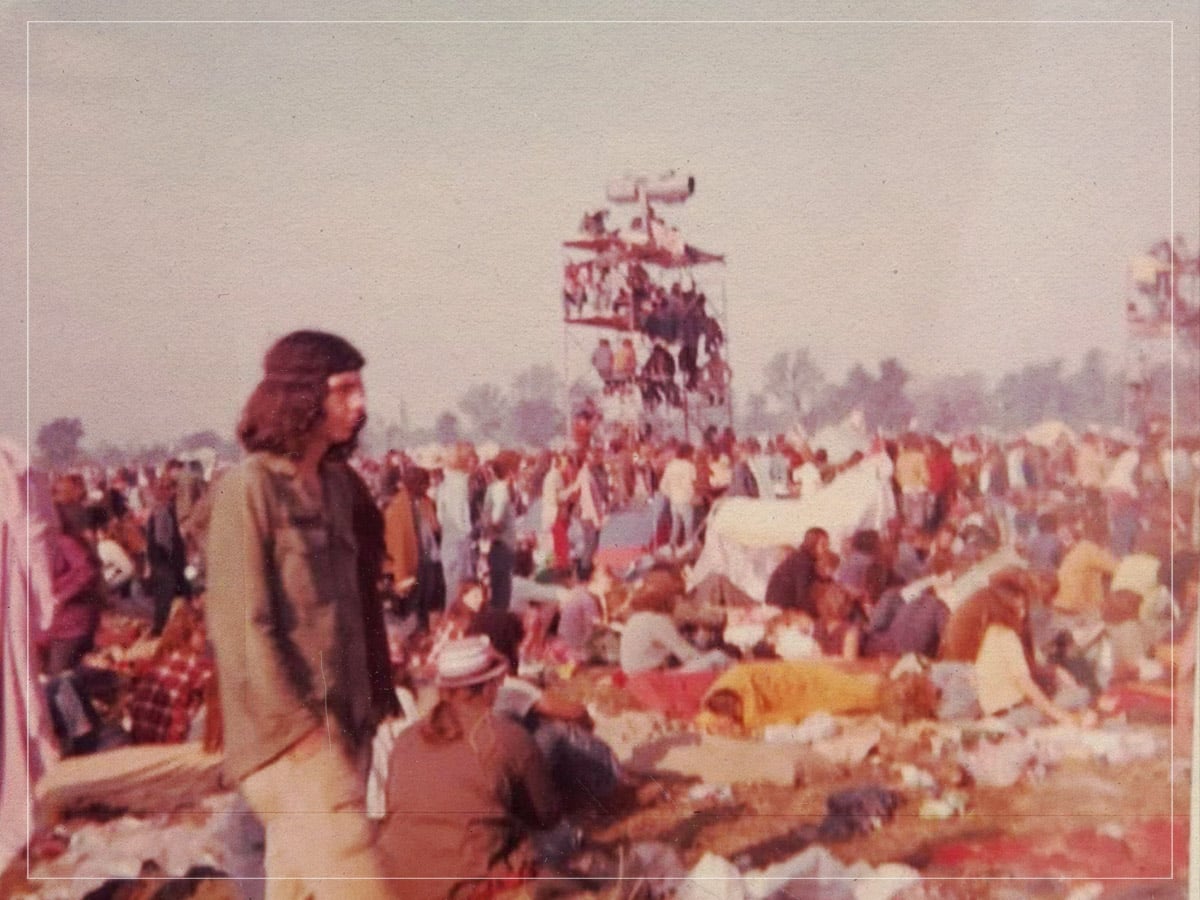
The trouble was that the promoters, predictably, had only the vaguest notion of how to host anything on a potentially massive scale, and local officials had already spent weeks trying to stop the whole thing from happening. Thus, an estimated crowd of 50,000 ballooned to somewhere between 200,000 and 300,000 people, backing up traffic for 20 miles on the country roads leading to the remote fairgrounds, where vendors were completely unprepared for the supply and demand gaps.
Heavy rains didn’t help, turning the grounds into a swamp while food and water ran out, drug use ran rampant, and attendees began battling each other for resources, while many of the major acts cancelled their sets rather than wade into the chaos, leading things into a dystopian nightmare. A food truck was reportedly hijacked and burned, a cow from a nearby farm was killed for its meat, and by the end of the weekend, the stage itself had been set on fire, resulting in two casualties, hundreds injured, and subsequent lawsuits and grievances carrying on in court for nearly a decade.
Powder Ridge Rock Festival, 1970
Powder Ridge in 1970 is a wonderful reminder that a festival doesn’t even need to actually happen in order to become a full-scale disaster. Scheduled for a ski resort in Middlefield, Connecticut, the Powder Ridge Rock Festival had a reasonably impressive bill on paper, with Janis Joplin, Fleetwood Mac, Sly and the Family Stone, and Joe Cocker all advertised at various points.
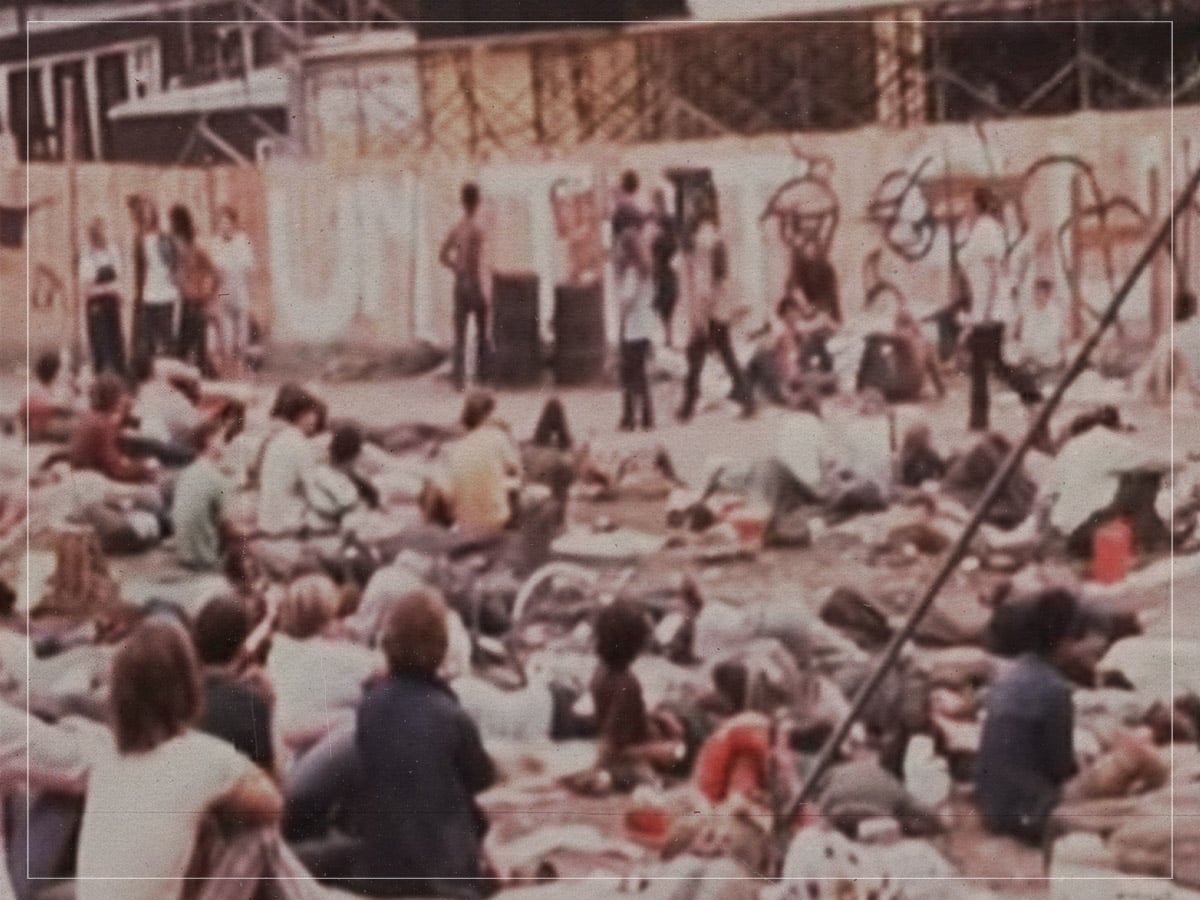
Unfortunately for everyone involved, local authorities wanted no part of a Woodstock-style invasion and secured a court injunction preventing the concert from going ahead. That should have been the end of it; instead, roughly 30,000 young people showed up anyway, apparently deciding that a cancelled festival was still a perfectly good excuse to take a lot of drugs in a field.
Police arrested the owner of the Powder Ridge ski resort for not keeping the kids out after a court injunction, but he claimed to have made every effort to do so. The cops, in turn, weren’t eager to confront the crowd either, hoping to avoid a situation like the one that had unfolded at Kent State University in Ohio a few months earlier, when four students were shot dead by the National Guard. So, left somewhat to their own devices, the festival ‘attendees’ carried on with no stage show, almost no food, inadequate toilets, and only the flimsiest trace of medical infrastructure.
Contemporary reports described open drug dealing everywhere, of course, with LSD reportedly changing hands for a dollar a tab, while volunteer doctors warned of a serious hallucinogen crisis. The singer Melanie was one of the only performers to turn up and play anything at all, singing from an improvised setup powered by ice-cream trucks. Powder Ridge became legendary as the anti-festival at the end of the hippie rainbow: all the mud, bad trips, and logistical catastrophe of Woodstock, with basically none of the music.
Isle of Wight Festival, 1970
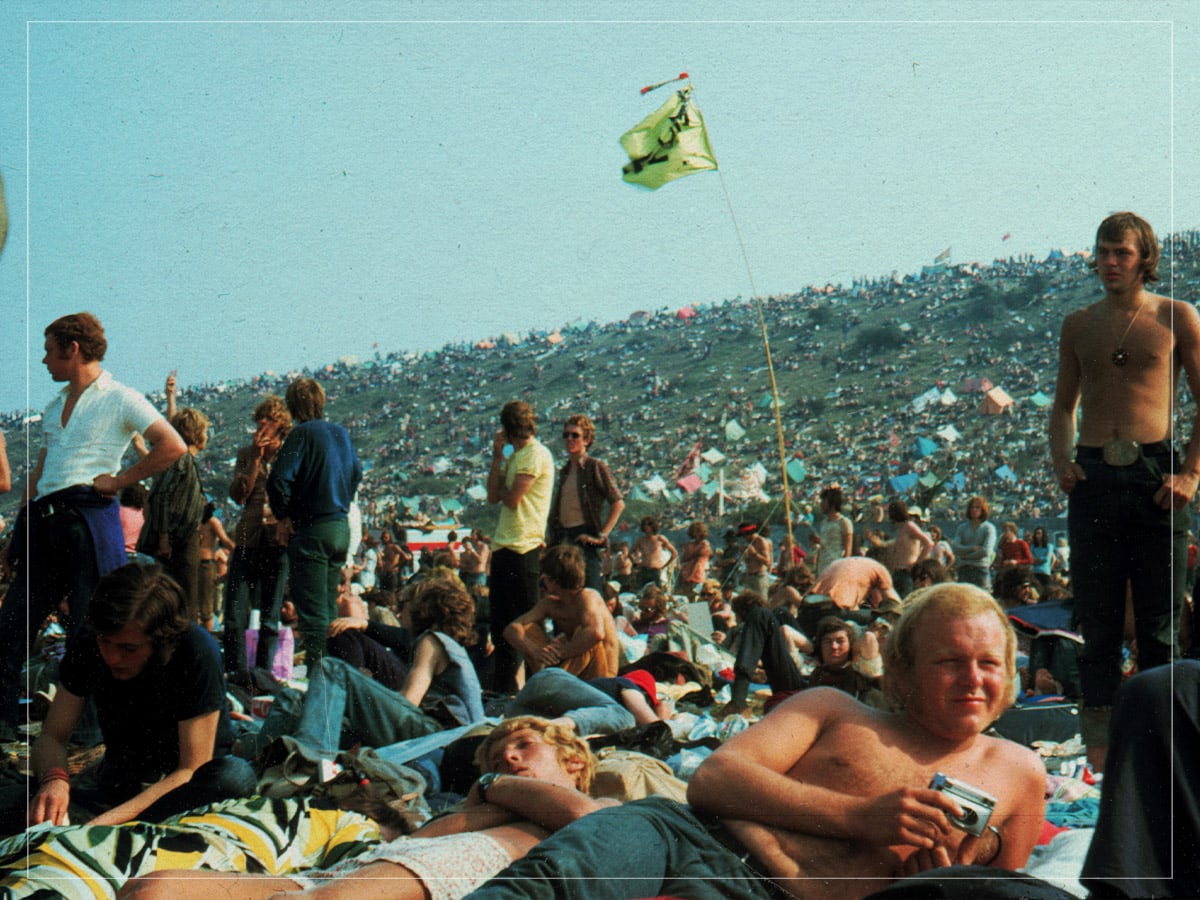
The 1970 Isle of Wight Festival is the odd one out on this list, because it wasn’t a fiasco in the same slapdash, criminally negligent way as a Bull Island or Powder Ridge, but it became remembered that way through local folklore. In purely musical terms, it was arguably one of the greatest line-ups ever assembled, featuring Jimi Hendrix (in one of his final performances), the Who, the Doors, Joni Mitchell, Miles Davis, and Leonard Cohen, all witnessed by a crowd estimated in the vicinity of half a million people.
Having already been held successfully for two previous years, and now buoyed by the legendary mythology of Woodstock the previous summer, Isle of Wight’s only real obstacle was infrastructure, as the local conservative MP argued that the island simply couldn’t handle the estimated influx of youths, claiming that the smaller crowd in 1969 had left behind a “scene of indescribable filth” and that a polio epidemic was a legitimate risk.
The 1970 version certainly had its issues: the predictable drug use, some rowdiness, and a Woodstockian moment when a crowd started tearing down the perimeter fences in the name of free love and free tickets.
According to a 2020 piece in The Guardian, however, the 1970 gathering didn’t really solidify its messy reputation until well after it was over, as legal fights from local islanders effectively prevented the festival from returning (it finally did in 2002), and a heavily edited documentary film emphasised the event’s minor failures and conflicts for dramatic purposes. Isle of Wight 1970 came to be remembered as the Titanic of music festivals: too massive and ambitious for its own good. But among the people who were actually there, regrets seem to be minimal.
Celebration of Life Festival, 1971
If a festival is named the Celebration of Life, there’s a decent chance the universe will immediately start drafting the opposite outcome.
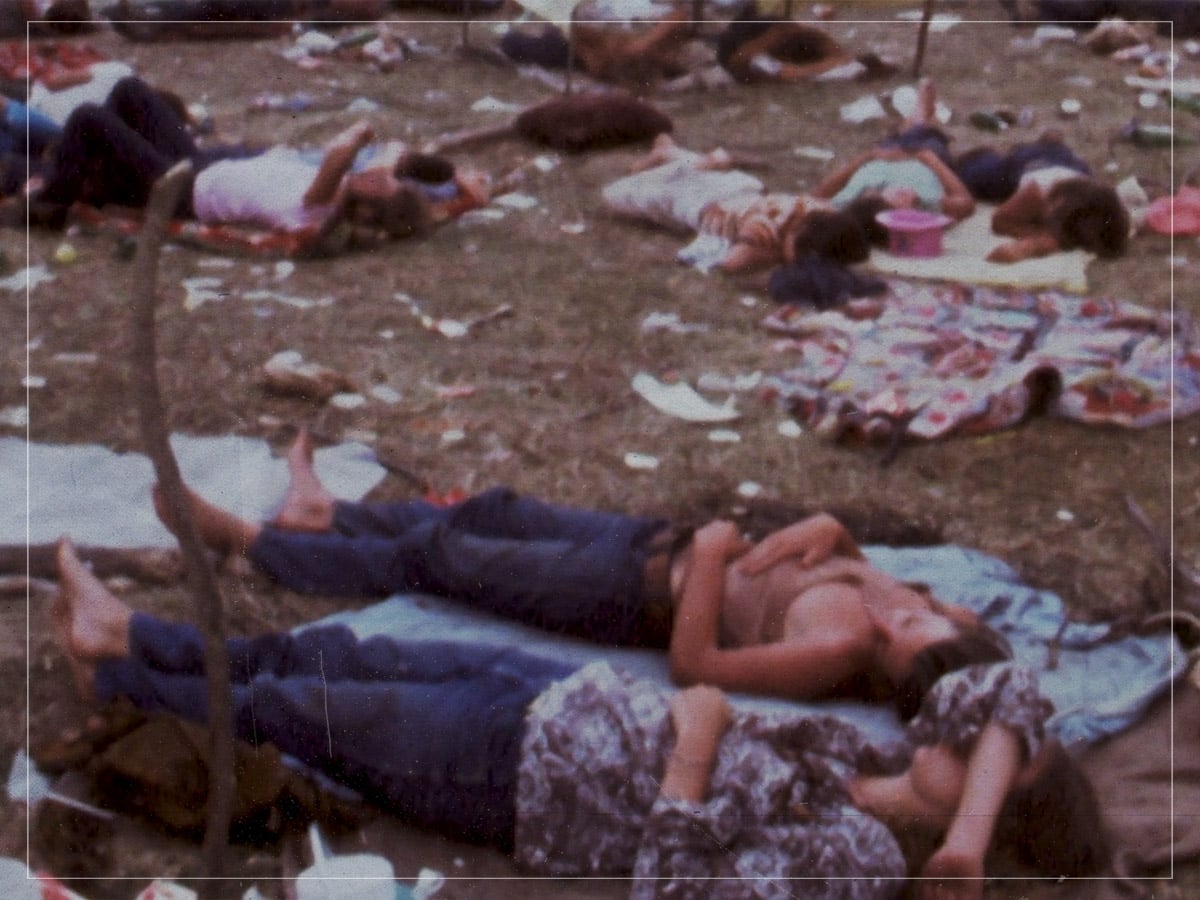
Held in 1971 on a Louisiana farm near McCrea, the Celebration of Life Festival was pitched as a Southern answer to Woodstock: a week of peace, music, and spiritual togetherness in the countryside. Instead, it quickly became one of the nastiest festival debacles of the era, with organisers hopelessly unprepared for the size and behaviour of the crowd they’d invited into a brutally hot, under-equipped environment.
The announced line-up was strong enough to attract major interest, with names like BB King, Ike & Tina Turner, Pink Floyd, and The Beach Boys associated with the event, but none of those big-name acts ever took the stage. As was becoming par for the course in this era, wandering tribes of hippies made their way to the designated pasture for the event, announced just a few days earlier, all seemingly unaware that local authorities were doing everything in their power to shut down the festival.
Sure enough, on Saturday, June 19th, two days after the festival began, sheriff’s deputies moved in, shutting down the stage crews and leaving thousands of festival-goers in complete limbo, left sitting in the fields or seeking shelter in abandoned farmhouses. Severe shortages of food and water, sanitation, and basic medical care had already been problems before this, and were exacerbated by rural Louisiana summer heat and a frightening lack of shade.
At least two people died in the currents of the South Louisiana River, and many more were injured in skirmishes with each other or the unsympathetic police. District Attorney Sam Cashio told the Shreveport Journal that the actions, or inactions, of the festival’s promoters were “close to criminal. They knew what they were going to be faced with and didn’t do anything about it”.
