


The five biggest underdog stories in music history

You’d be surprised at just how many upper-class people are making punk music these days.
That’s not necessarily a dig, for anybody can make whatever they want, but it just seems interesting to hear so many people criticise a system that they are actively benefiting from. There is something soulless about music made by those who have had a leg up, who can take a risk by entering what is a cut-throat industry, because they have a safety net there to catch them if they fall.
There is no escaping the fact that the best music is made by the underdogs. You don’t come across them much because they need to overcome adversity in order to really get their name in the history books; however, when the risk pays off, it leads to some pretty beautiful music. Whether it’s because of injury, the industry, or merely being put in an uncomfortable situation, music history is dotted with great underdog stories, and attached to all of them are great songs, movements, or moments.
So, let’s have a look at some of them, as we celebrate the risk takers who have helped make one of the world’s most timeless art forms even more so.
The best underdog stories in music history
Django Reinhardt and the caravan fire
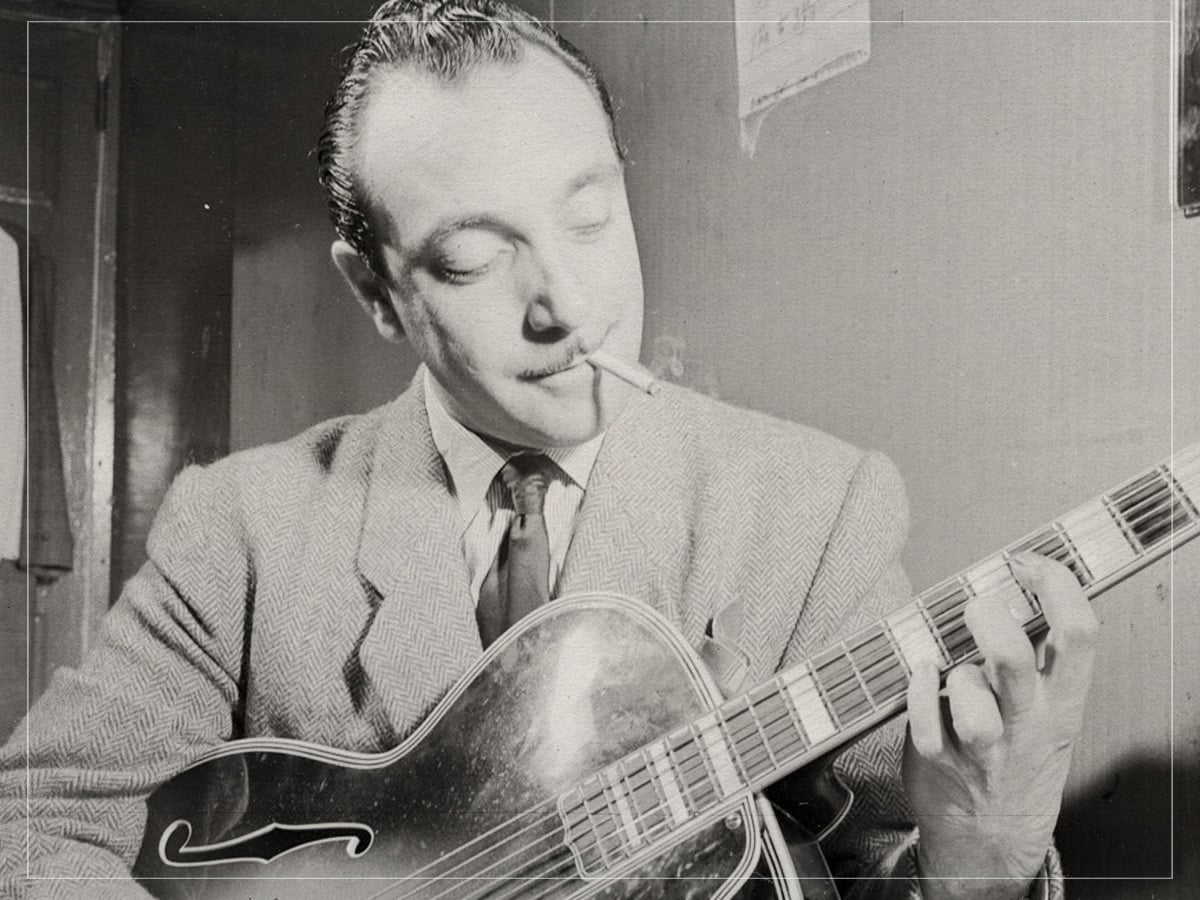
Django Reinhardt was already establishing himself as one of the greatest guitar players on the planet when disaster struck as the caravan the 18-year-old was in caught fire as he was sleeping. He had accidentally knocked over a candle that quickly developed into a raging blaze, catching Reinhardt in the midst of the chaos and, as a result, he suffered serious burns, which permanently curled his ring and pinky finger on his left hand.
He was now limited to only using two fingers when playing guitar, something that a lot of musicians would tell you is a career-ending injury, especially when you’ve already become accustomed to playing with four fingers. A lot of guitarists would have hung the six-string up, but not Reinhardt, who instead opted to relearn the instrument, and by teaching himself a brand new playing style, he managed to establish himself as one of the greatest guitarists on the planet, and he is still considered a pioneering musician.
The Beatles taking on America
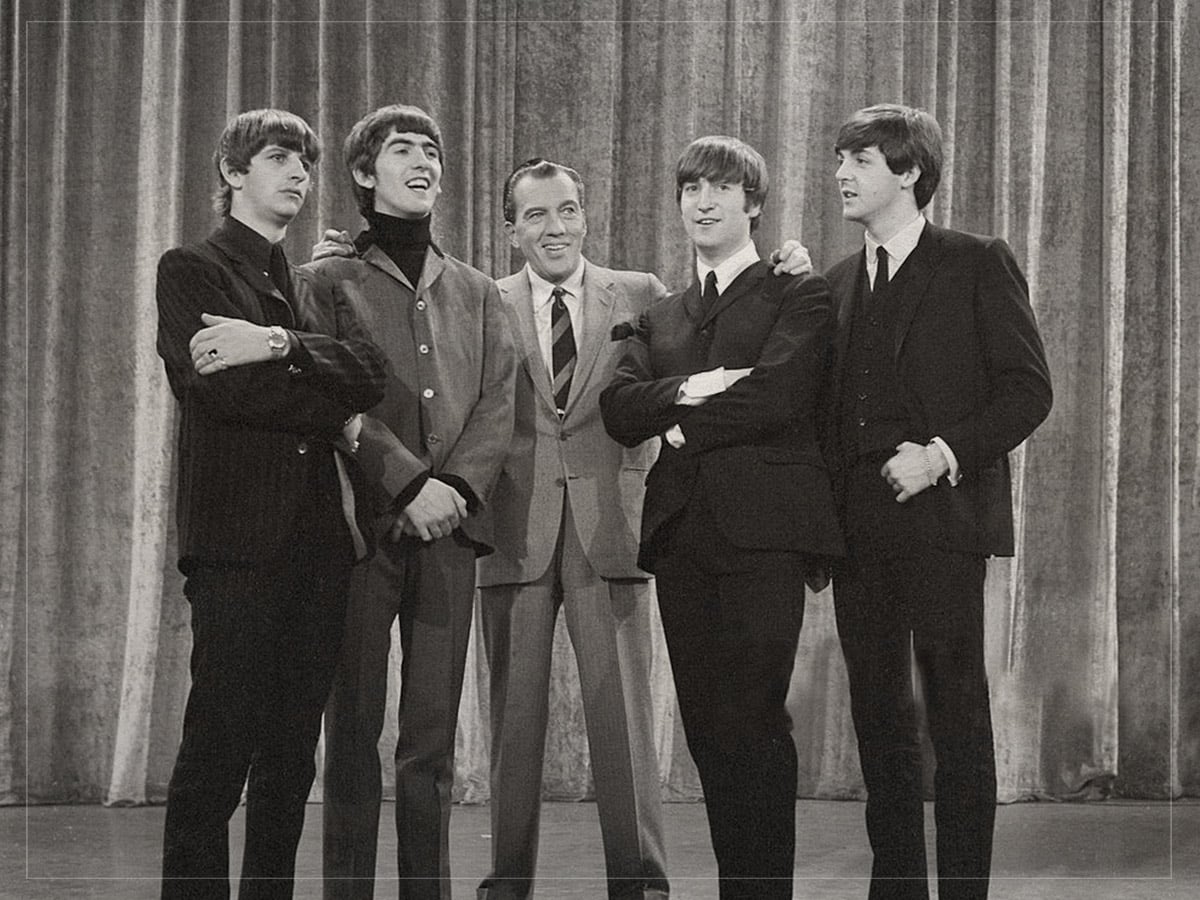
It seems pretty silly referring to The Beatles as underdogs, given we now know them as one of the biggest and most successful bands to ever walk the Earth, but in 1964, the odds were stacked against them. These were working-class lads from Liverpool, attempting to get started in a music industry that wasn’t really established yet, and, not to mention, their manager, Brian Epstein, wanted to make them stars in the US, something that no British act had done yet. To put it plainly, they were underdogs.
And yet, in early 1964, when the Fab Four flew over the ocean to play in the US, they were met with crowds of screaming fans, blatantly obsessed with everything that The Beatles had to offer listeners. When they played on The Ed Sullivan Show, that was the real turning point, as it was proven to everyone in earshot that this band was the next big thing. The underdog story was fully realised, and the rest is history.
“There was no real future for a British band before The Beatles appeared on The Ed Sullivan Show in February 1964,” said Andrew Loog Oldham, manager of The Rolling Stones, “That was the turning point, after which there was an avalanche. It totally transformed the possibilities, and as usual, The Beatles were the frontrunners. In music, there is The Beatles, and then there is everybody else.”
Pulp made history at a moment’s notice
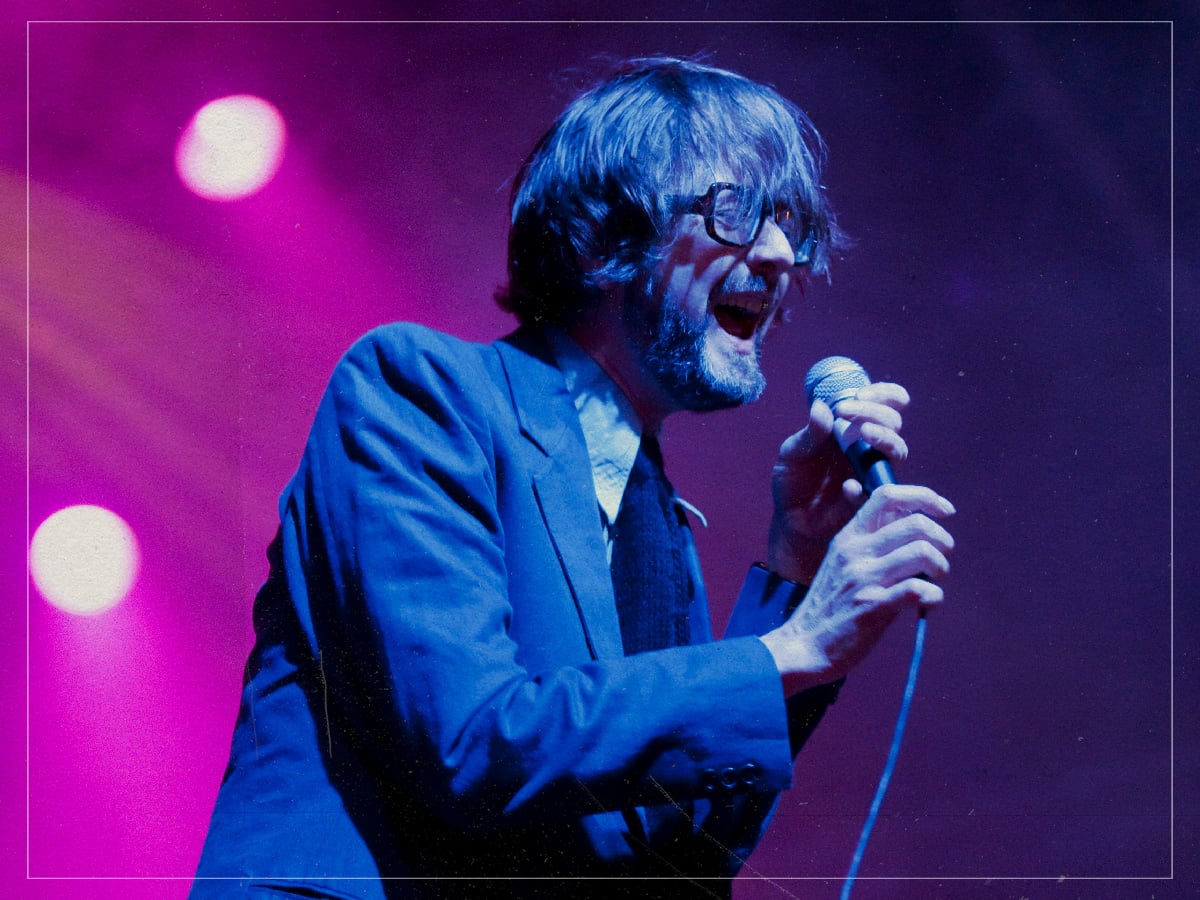
If you ever want to understand the musical culture in the UK over time, just look back at previous Glastonbury lineups, a clear reflection of what bands are doing well at the time, and what kind of music is dominant around the country. The festival is the biggest live music staple around the world, and headlining it is one of the peaks of most musicians’ careers. So, imagine how shocked Pulp was when they were asked to join this elite group of headliner history with only ten days’ notice; a pretty big ask, right?
The headliners were originally supposed to be The Stone Roses, but they dropped out after their guitarist, John Squire, broke his collarbone, and while Pulp had just released Different Class, their most successful album, there were still a lot of people questioning whether they were headliner material; regardless, they took to the stage that night as underdogs and came off triumphant, delivering a stellar headline set on a moment’s notice.
Tony Iommi came face-to-face with heavy metal

Tony Iommi’s story isn’t drastically different to that of Django Reinhardt; when he was young, he was working in a sheet metal factory, which he didn’t think was the most exciting gig in the world, but it was necessary to make money. One day during his shift, a large piece of metal came down on his hand, completely severing the tips of two of his fingers.
“I don’t know what happened. I must have pushed my hand in. Bang!” he said, “It came down. It just took the ends off [my fingers]. I actually pulled them off. As I pulled my hand back, it sort of pulled them off. It was left with two stalks, the bone was sticking out the top of the finger.”
Unlike Reinhardt, Iommi still had the use of all of his fingers, and so didn’t necessarily have to change his playing style; however, he did need to alter his sound. The Black Sabbath guitarist fashioned two plastic tips for fingers, which did the trick as far as applying pressure to strings was concerned, but they didn’t let him bend the strings. He needed to tune his guitar down a step to loosen the strings and allow for as much, which ultimately led to Black Sabbath stumbling upon their more doom-laden sound, a sound that eventually gave the people heavy metal.
Rodriguez and his sold-out shows
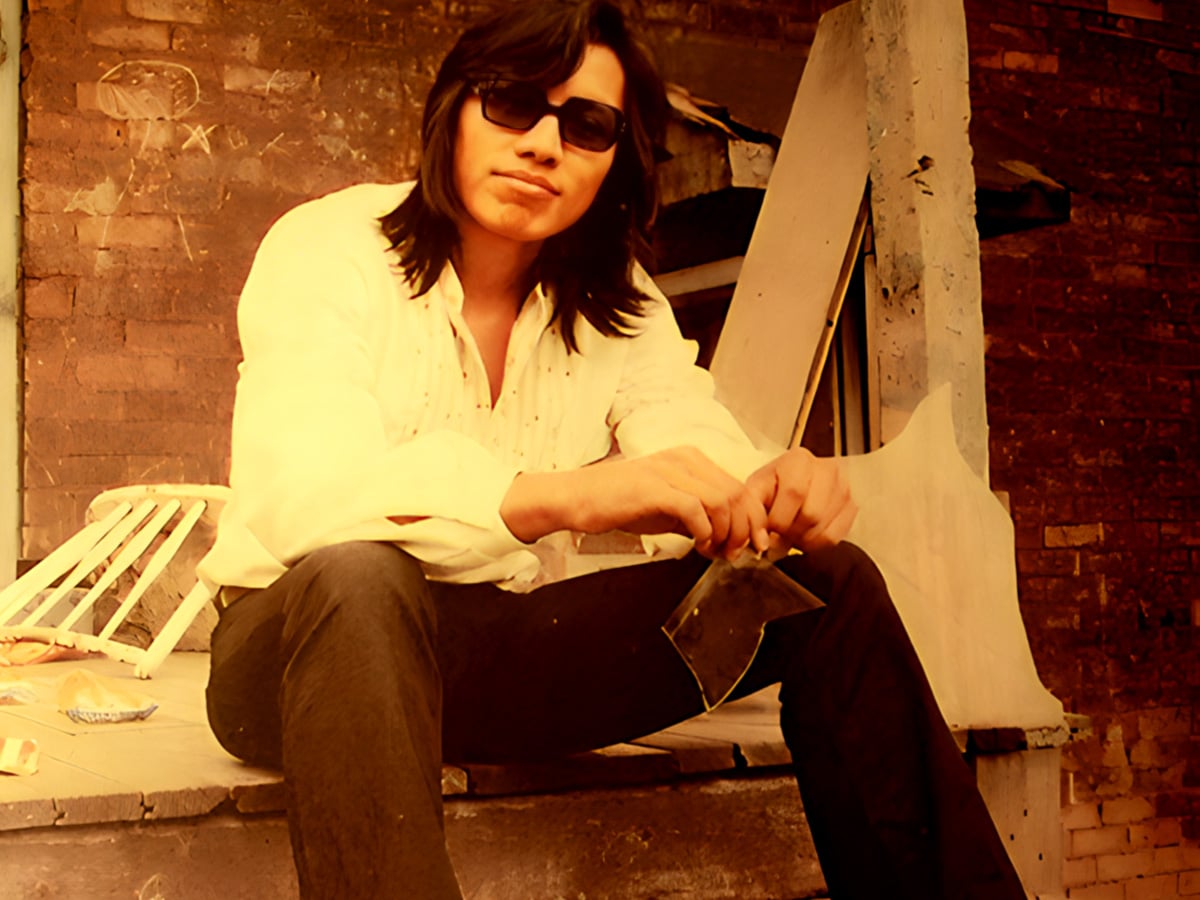
Truly one of the most astonishing stories in all of music, Sixto Diaz Rodriguez was a relatively unsuccessful singer-songwriter in America, who wanted to write music similar to the likes of Bob Dylan. His records didn’t sell too well in the States, and he predominantly lived his life as an underrated artist, but in apartheid South Africa, he was outselling The Beatles and Elvis Presley.
There was something about Rodriguez’s lyrics that touched the people of South Africa, and his music became a political anthem of sorts, listened to by those standing up against apartheid. In 1998, the people of South Africa found out about the man behind the music, who, up to this point, was a myth, and asked him to come and play some shows in their country.
Rodriguez had been out of the music industry for decades and was working in construction when he found out about his overseas success. The shows he was asked to play weren’t underground gigs, but multiple nights selling out massive venues. It wasn’t a bad step up for someone who had largely gone unlistened to his entire career, and Rodriguez represents one of music history’s biggest underdog stories.

Never Miss A Beat
The Far Out Beatles Newsletter
All the latest stories about The Beatles from the independent voice of culture.
Straight to your inbox.