


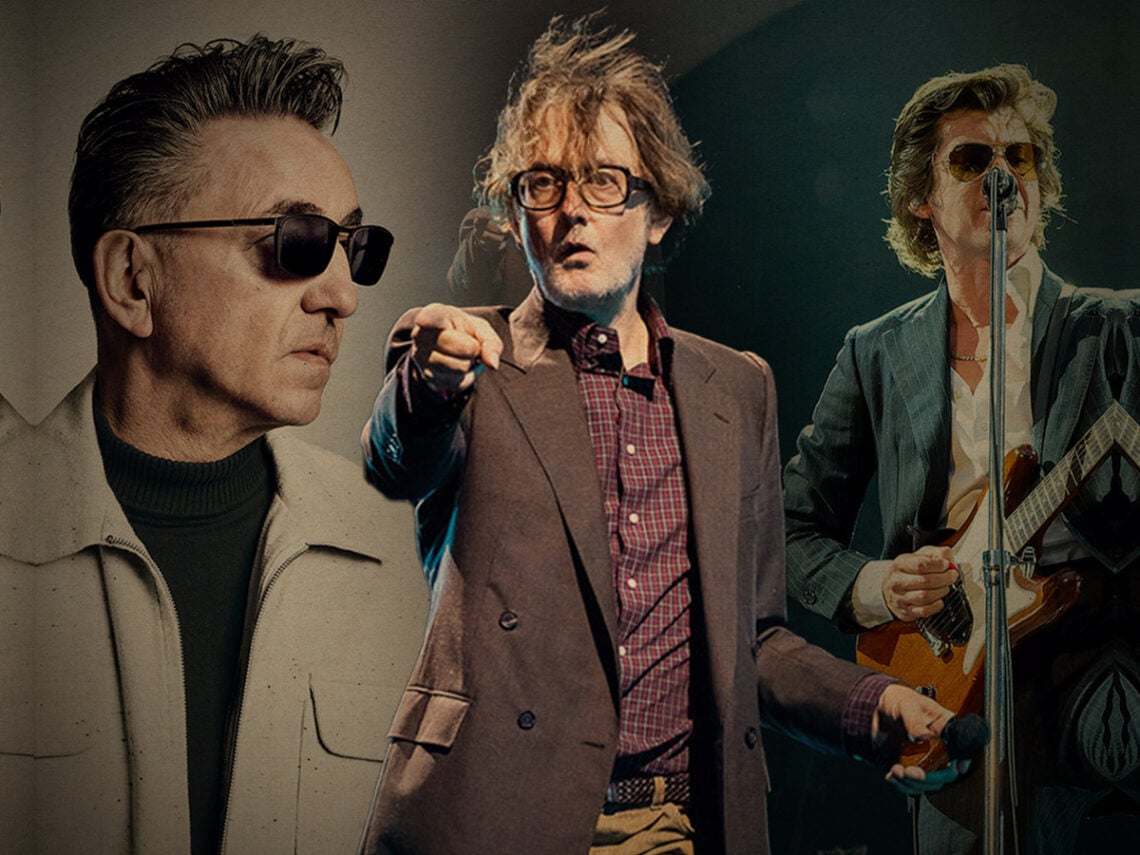
The five best songs ever written about Yorkshire

If you’ve ever lived anywhere in Yorkshire, you’ll know that its atmosphere is different to anywhere else in the country, or even the north in general, and while there are countless reasons it’s home to some of the best cities in the world, its claim to fame is undoubtedly its musical heritage.
When you think of genius rock acts from the UK, it’s hard to think of anyone that surpasses the cultural impact of names like Arctic Monkeys, Pulp, The Human League, and Bring Me The Horizon, and what perhaps makes these bands, as well as Yorkshire, for that matter, far better than most places in the country is that it doesn’t shy away from their truths.
For instance, a walk around any corner of Sheffield will prove that it’s one of the grittiest, darkest, and most industrial places you’ll ever come across, which in itself carries a bittersweet quality that makes it even more charming.
Sure, the city isn’t what it once was, it’s still flooded with character, where its bars feel like time capsules from another era, its streets like a haunting foray into another place entirely, and much of the music embodies this sense of eerie charisma, especially with the way that bands like Arctic Monkeys conceptualised it, indicating it as somewhere ordinary but with a uniqueness that felt culturally special.
Records like Whatever People Say I Am, That’s What I’m Not inevitably resonate better if you already have those small city, working class experiences, but the fabrics of somewhere like Sheffield still feel intriguing even if you don’t know how to pronounce it; as such, depictions of Yorkshire in music are some of the most fascinating, especially when the characters and world-building tie into those local scenes with broader, more universal themes of disillusionment, isolation and, in some cases, real-life tales of woe, and these five songs encapsulate that energy to a tee.
The five best songs about Yorkshire:
Arctic Monkeys – ‘When The Sun Goes Down’
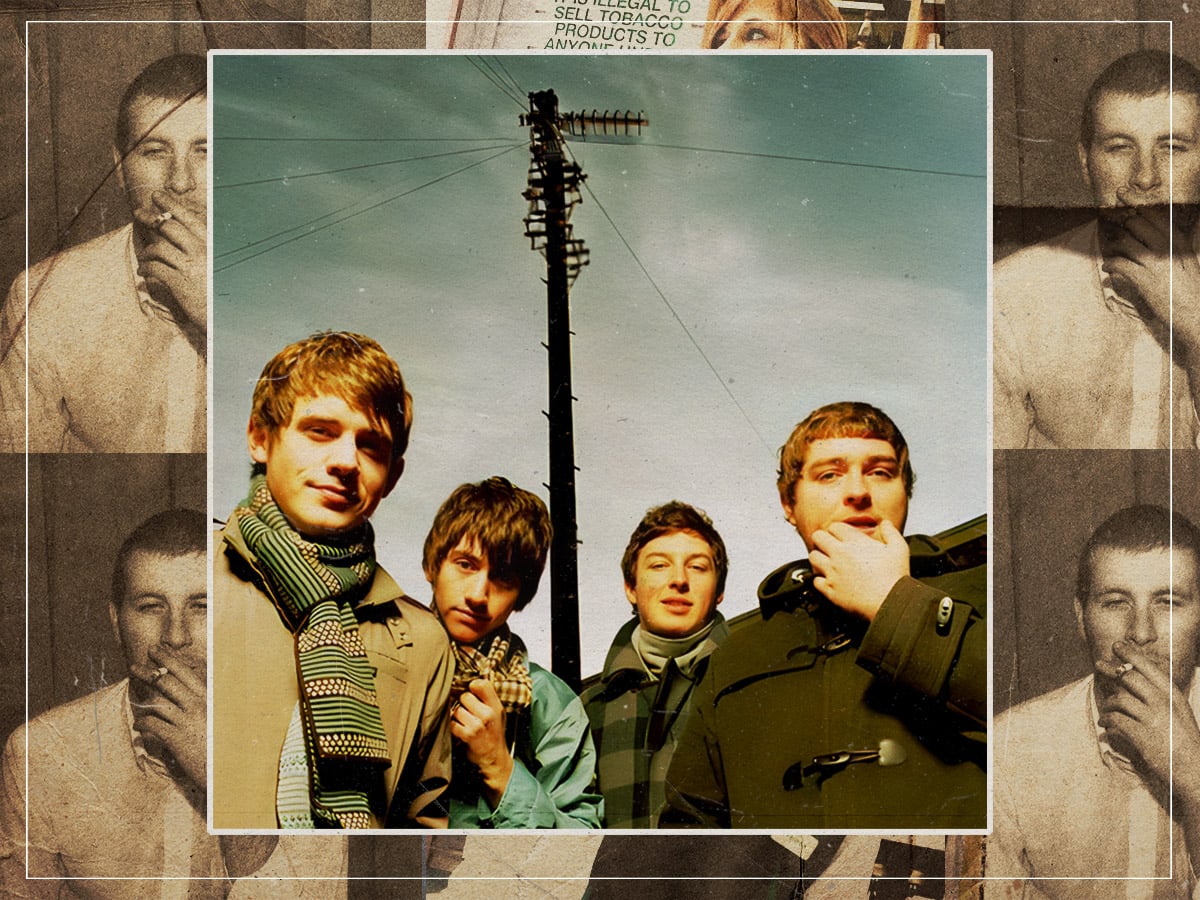
One of those songs where you only have to play the first second, and people immediately recognise it, ‘When The Sun Goes Down’ is about as close to an official Sheffield anthem as it gets, and still a staple of the city’s nightlife culture. With a sound that quite literally mimics the feeling of the Neepsend district, it’s the ultimate ode to that special transformation the place goes through after dark, when inhibitions are lowered, and the local vocabulary becomes more colourful.
Although it’s undeniably one of the biggest bangers to come out of the early 2000s indie wave, ‘When The Sun Goes Down’ actually paints quite the picture about all those scummy nights out where you’d catch strange conversations and interactions and wonder how they even occurred in the first place.
“I’ve got a feeling in my stomach,” the band’s frontman, Alex Turner, opines, “I start to wonder what his story might be, ‘cause they said it changes when the sun goes down…”
The Smiths – ‘Suffer Little Children’

It’s probably no surprise that one of the more gloomy depictions of a surrounding Yorkshire area might come from The Smiths, as ‘Suffer Little Children’ not only captures one of the most heinous crimes in history, but also how much the place has “so much to answer for” when it comes to the “shallow graves” of all the children lost at the hands of Ian Brady and Myra Hindley.
Although it’s riddled with that quintessential Mancunian melancholy and malaise, ‘Suffer Little Children’ ripples out further, capturing the haunting atmosphere of Saddleworth Moor in the Pennines (which used to be in the West Riding of Yorkshire), and the aftermath of fear and uncertainty felt in the surrounding areas in the years that followed.
The Cribs – ‘Mirror Kissers’
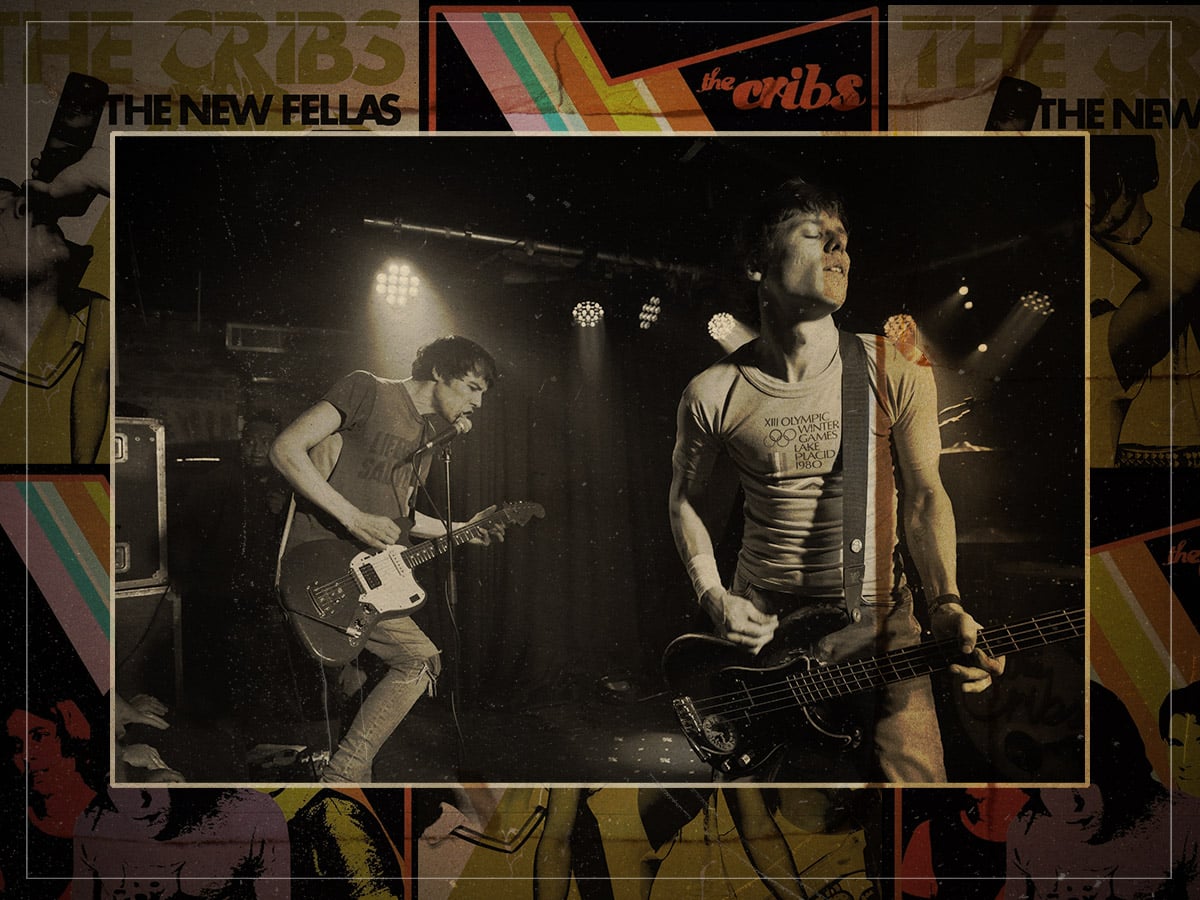
Similar to ‘When The Sun Goes Down’, The Cribs‘ ‘Mirror Kissers’ is a cynical take on navigating all those familiar Yorkshire hipster communities growing up, and all the weird and wonderful characters you’d meet along the way. Filled with fast-paced, generational angst, the track criticises the pretentiousness of hipster types, calling out their narcissistic whims and lack of intellect.
The lyrics themselves are fairly straightforward, but so too is the messaging, with the band spotlighting all types of egotistical weirdos they come across on a nightly basis: “You’re that type / You’ve got a lot to say, but don’t mention / The mirror kissing ways of the hipster type / You’re that type / You aren’t allowed to say anything / We kicked around down water lane / But you’re not all there”.
Pulp – ‘Disco 2000’

‘Disco 2000’ is a certified universal anthem, that much is true from the groove alone; however, when you dig a little deeper, you’ll also see that it’s one of the most accurate depictions of Sheffield in the history of music, not just in terms of the scene-setting but with the added sprinklings of heartache, tragedy, yearning, and a broader displacement in the community.
Although broadly about a childhood crush on a girl called Deborah, ‘Disco 2000’ chronicles Jarvis Cocker’s upbringing in the city, where his infatuation becomes a conduit for that familiar coming-of-age angst present in many songs about growing up in Sheffield. Love for the city runs bone-deep in this enduring hit, especially as a place where unrequited romance meets the core nucleus of 1990s Britpop.
Richard Hawley – ‘People’

For In This City They Call You Love, Richard Hawley sought to pay the ultimate homage to his beloved hometown, with songs that captured everything great about it as a personal home, a broader community, and a creative hub with a rich musical heritage.
This message is anchored by ‘People’, a song which quite literally paints a picture of the city itself while highlighting some of its best qualities, like how its people call each other “love”. As he sings, “I was born and raised by the river / Slowly it flows through this city of knives / Not too far from the mountain that shivers / Folks work so hard, and they stay all their lives / And people in this city call us love”.
