


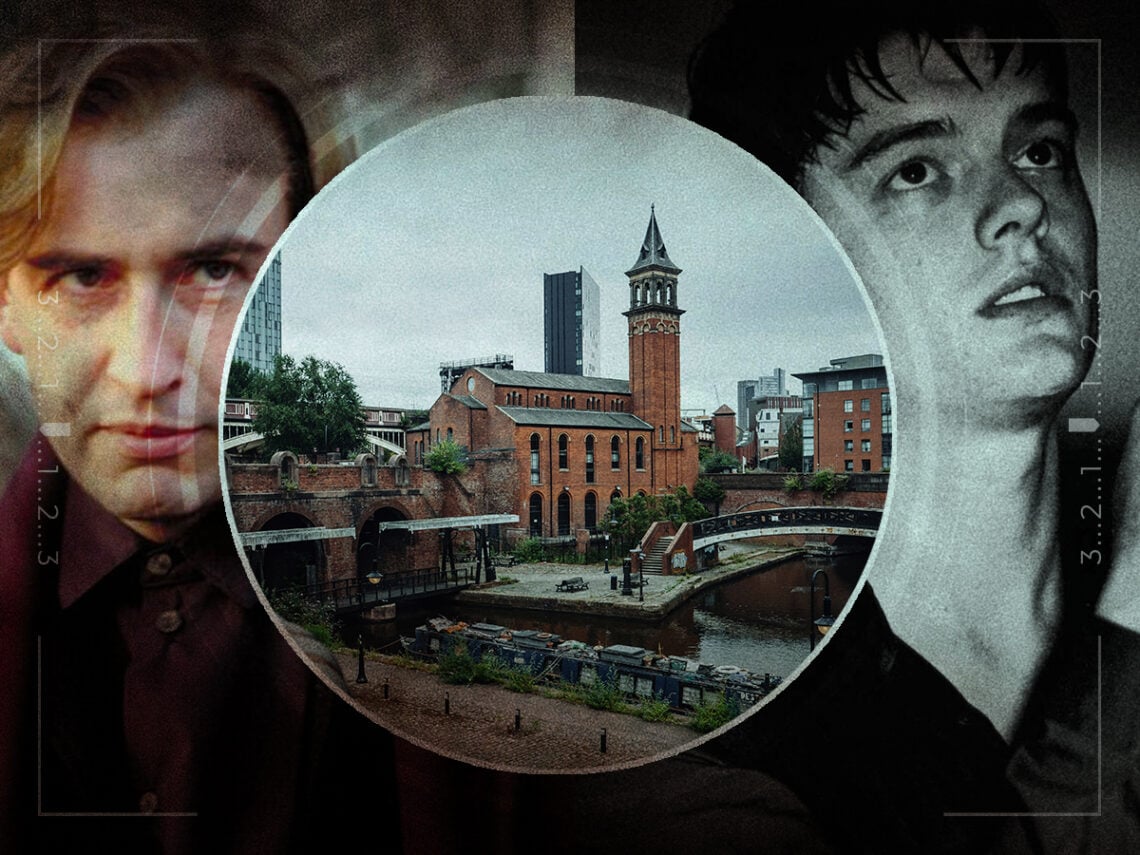
The five best movies set in Manchester

Trams, bees, Oasis, football, Coronation Street, the Afflecks, The Haçienda, Manchester city has given us a lot of great things, and some we’d rather forget, but regardless of your opinion of the place, you can’t deny that it is one of England’s most valued cities.
I mean, it’s massive, and it’s got enough contained within it to keep even the pickiest of tourists entertained, with a large array of venues, shops, and galleries on offer, and while it might not be the prettiest of places, Manchester is steeped in history, some of which you can find on the silver screen.
You might not associate the place with the bright lights of Hollywood, but it has certainly found a place, most often serving as a backdrop for stories related to working-class characters or musically gifted individuals, as a result of which documentations of events ranging from the a massacre to the formation of Joy Division and Factory Records have been tackled by filmmakers, keen to appreciate the city in all of its glory.
So, from complex takes on romance in kitchen sink dramas to time capsules of musical revolution, here are five great movies set in Manchester.
The five best movies set in Manchester:
‘A Kind of Loving’ (John Schlesinger, 1962)
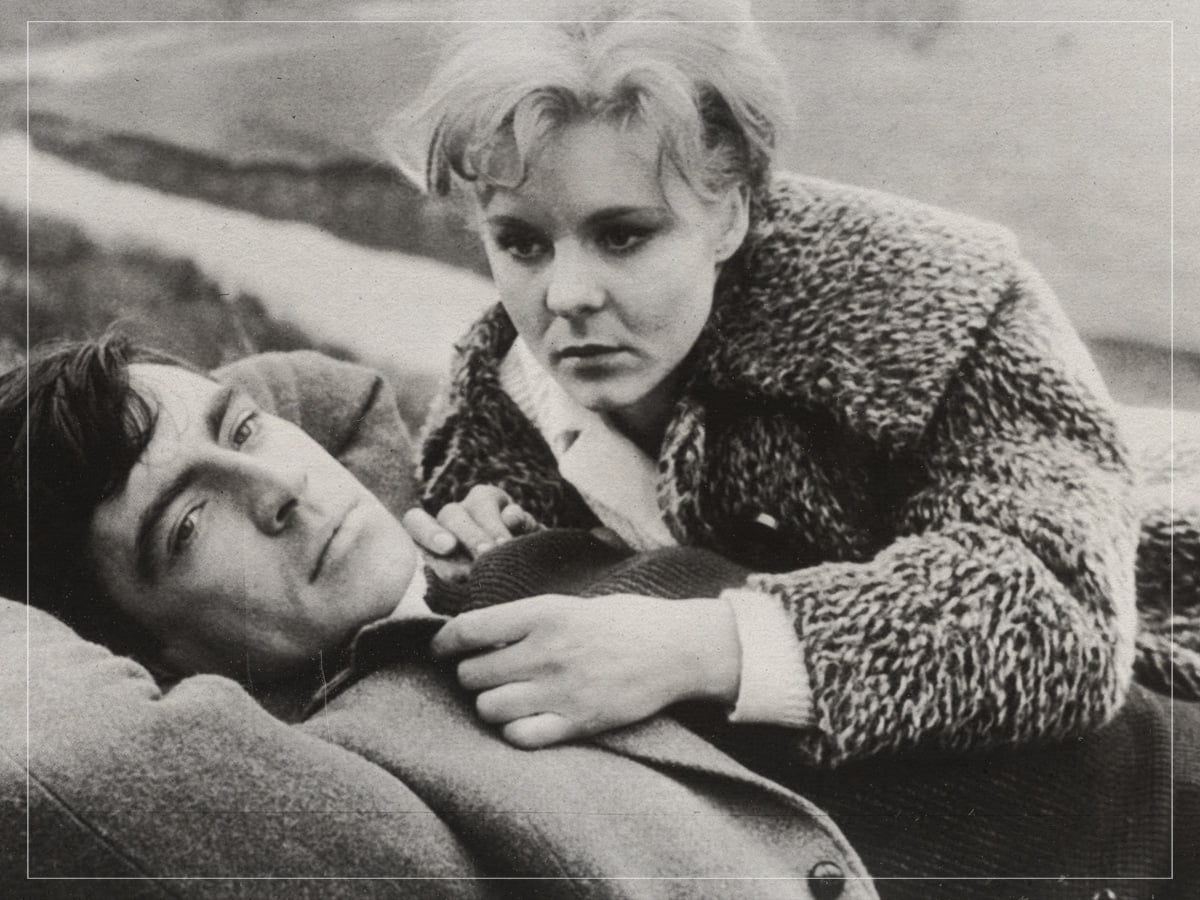
John Schlesinger was one of Britain’s most important filmmakers during the 1960s, and A Kind of Loving, based on Stan Barstow’s play of the same name, was a great entry from the director into the kitchen sink movement. He might have gone on to capture Bradford in Billy Liar and swinging London in Darling, but in A Kind of Loving, we’re taken to a Manchester factory where Alan Bates’ Vic and June Ritchie’s Ingrid meet and sleep with each other.
While Vic isn’t as keen on forming a long-lasting relationship with Ingrid, a pregnancy throws a spanner in the works, causing the pair to move in with Vic’s disapproving mother. It’s a fantastic portrait of working-class life and the effects and inevitable clash of intergenerational conflict, with the film probing into the ways that love, responsibility, and social expectation intersect.
’24 Hour Party People’ (Michael Winterbottom, 2002)
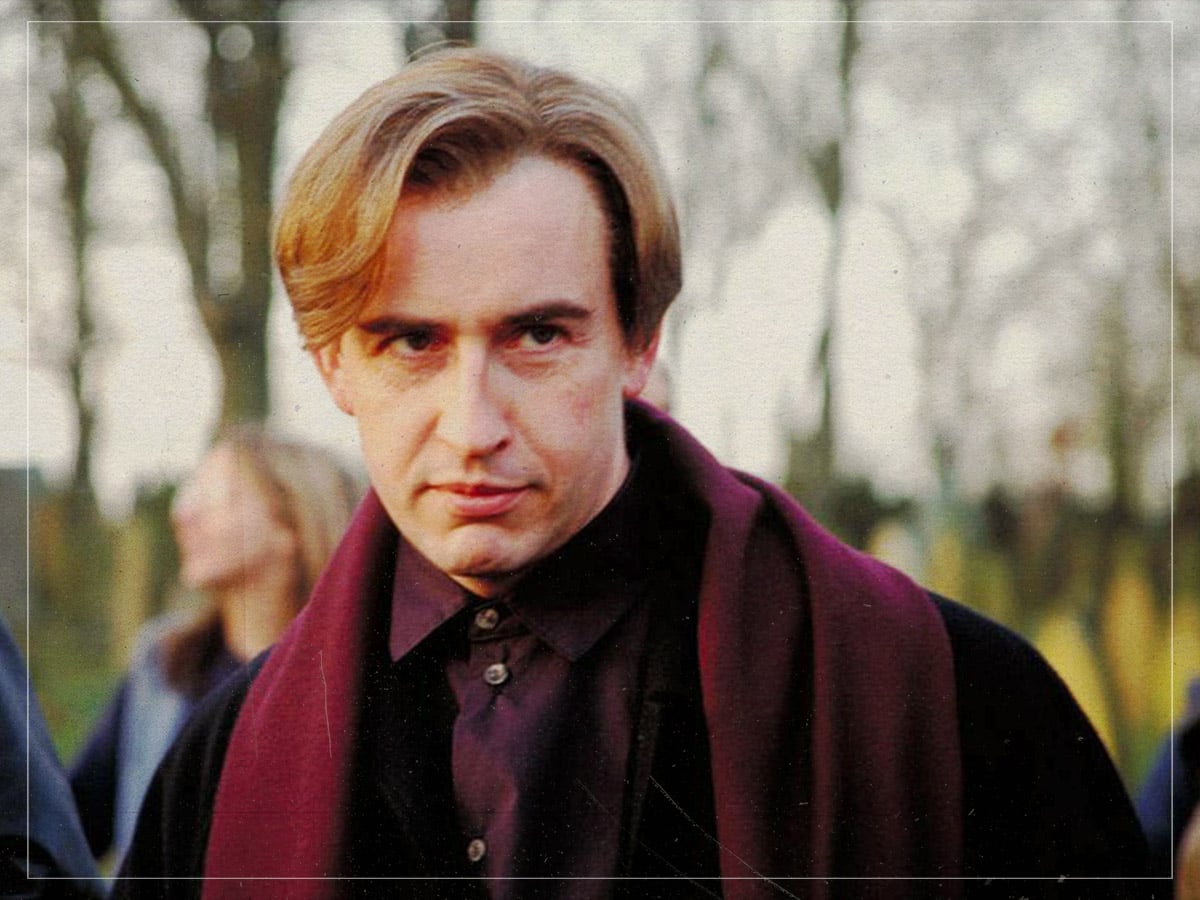
If you have any interest in Factory Records, then you’ve probably seen 24 Hour Party People, in which Steve Coogan took a break from playing Alan Partridge to instead step into the shoes of Tony Wilson. This Michael Winterbottom film chronicles the changing music scene in Manchester between the 1970s and the ‘90s, with fictional appearances from the likes of Joy Division, the Happy Mondays, and the Durutti Column, while Mark E Smith pops in as himself.
Nothing captures the chaos of Madchester, punk, and new wave quite like 24 Hour Party People, and Coogan’s performance as Wilson is legendary, but then, when is Coogan not a captivating screen presence? There’s even a recreation of the iconic Lesser Free Trade Hall performance given by the Sex Pistols in 1976, the infamous show that was witnessed by the likes of Morrissey, Peter Hook, Bernard Sumner, Martin Hannett, and John Cooper Clarke, perfectly capturing the spirit of a wild era.
‘Peterloo’ (Mike Leigh, 2018)
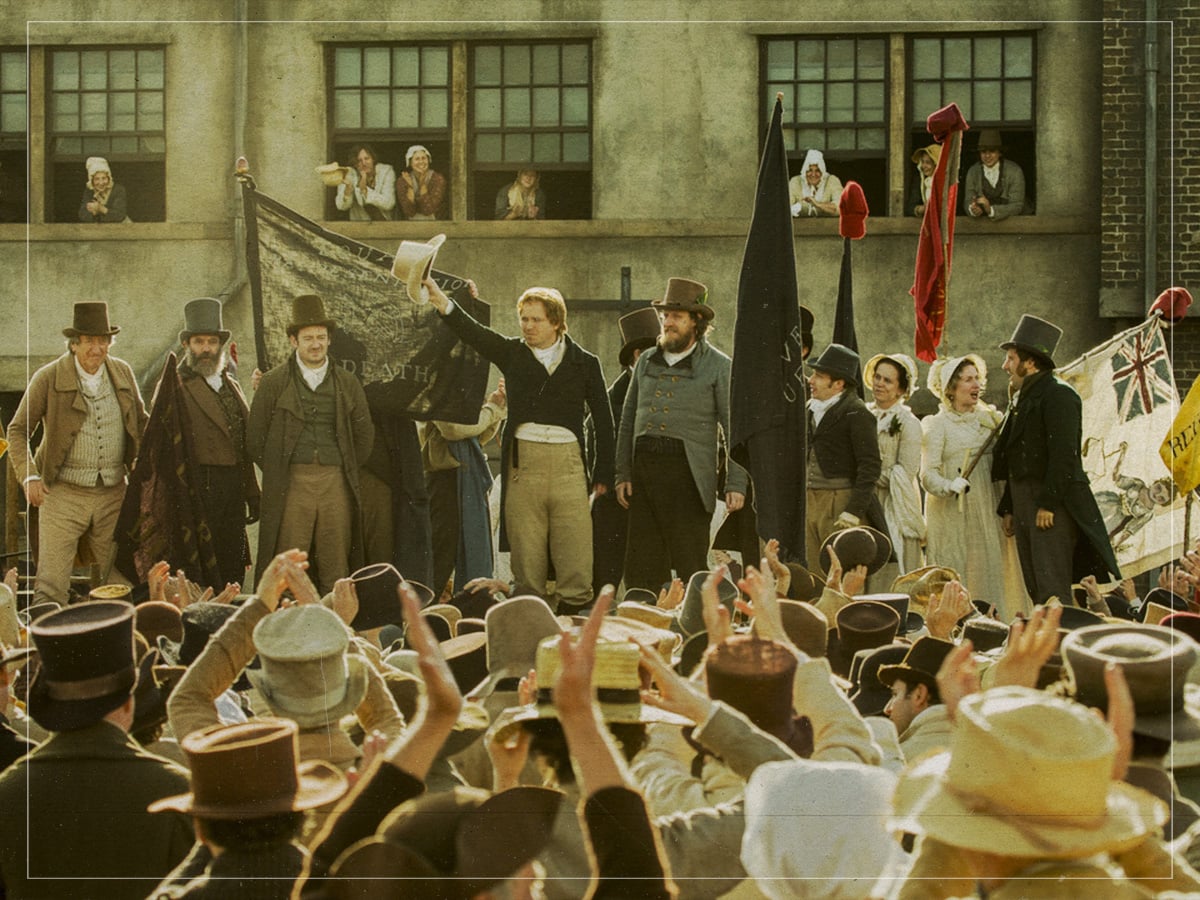
Mike Leigh has long explored contemporary England through social realist comedy-dramas, like the Thatcher-era Meantime, but he also has a penchant for period dramas, bringing attention to moments of history that, really, aren’t that much different from today.
With 2018’s Peterloo, the filmmaker explored the Peterloo Massacre of 1819, which saw 18 people killed and hundreds injured when they gathered in St Peter’s Field to demand parliamentary reform. The film starred Rory Kinnear and Maxine Peake, and as ever, Leigh was on top form, drawing our attention to such a heinous event.
The events of the massacre aren’t widely taught in schools, and thus, Leigh’s film serves as an education, highlighting just how vital voting rights and democracy are, especially when the government’s lack of consideration for the lives of its citizens is blindingly apparent, and while very little of the film was shot in Manchester, it’s one of few movies that brings a key part of the city’s history to the big screen.
‘Control’ (Anton Corbijn, 2007)
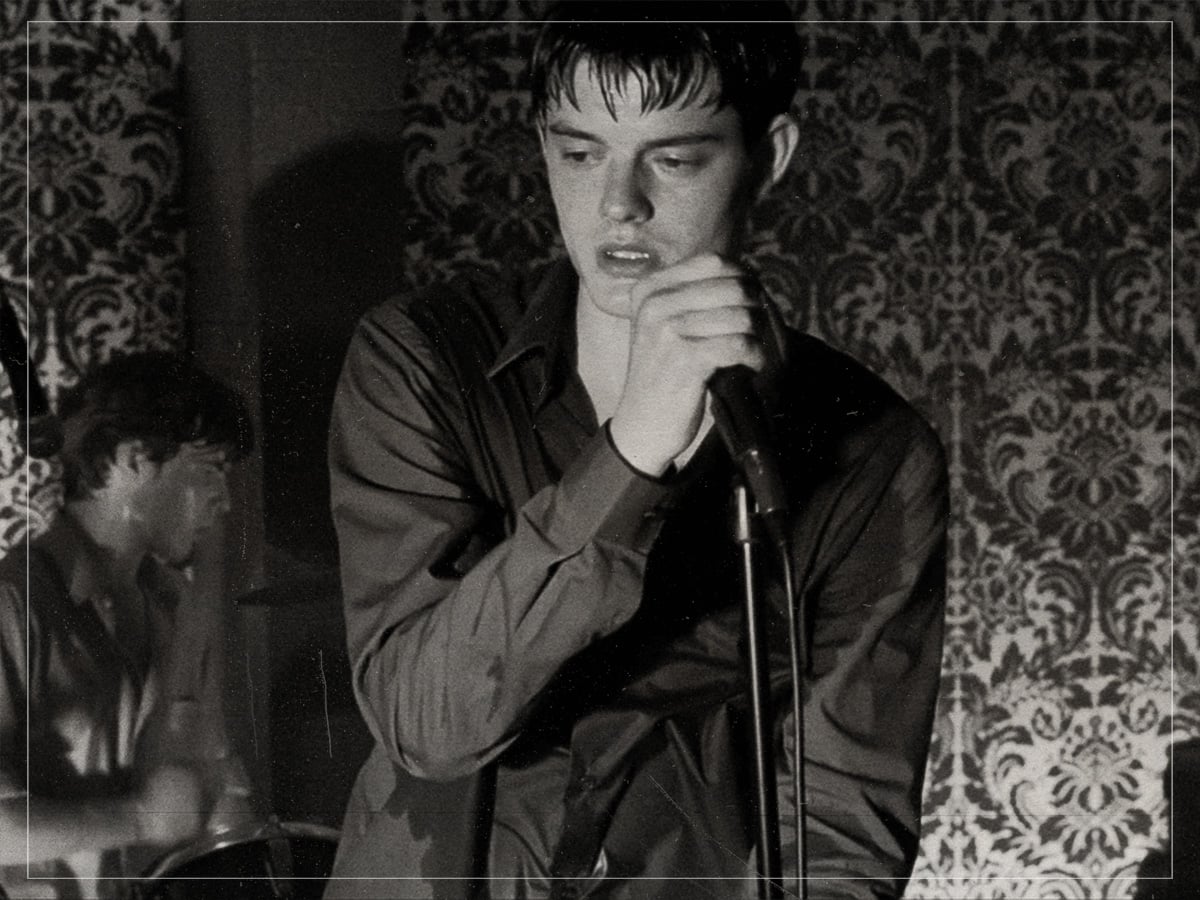
Joy Division were central to Manchester’s post-punk scene, which blossomed in the late ‘70s, signing to Factory Records and releasing two seminal albums, only one of which, Unknown Pleasures, was released during lead singer Ian Curtis’ lifetime. The Salford-formed band might not have been around long before Curtis tragically killed himself at 23, but their legacy as pioneers, mixing punk influence with a darker, more gothic sound, was enough to secure them a biopic in 2007, Anton Corbijn’s Control.
Having photographed the band in the ‘70s, the filmmaker was well-equipped to bring its story to life, predominantly focusing on Curtis’ struggles with epilepsy, the breakdown of his marriage, and his eventual suicide. Set in and around Manchester, the film, inspired by Deborah Curtis’ Touching From A Distance, illuminates a vital period in British musical history, straight from someone who was really there.
‘A Taste of Honey’ (Tony Richardson, 1961)
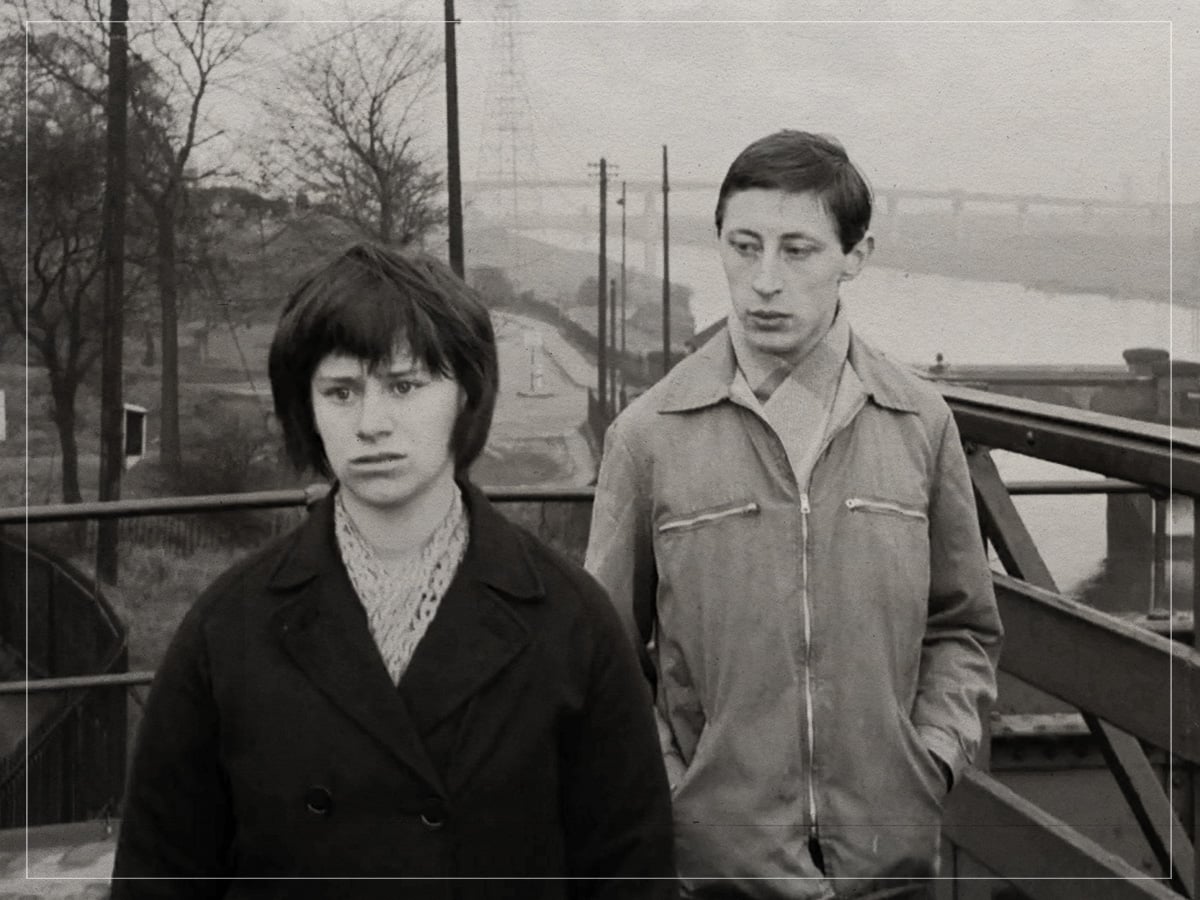
As much as Salfordians often decry the Manchester label, A Taste of Honey is just too good a film for me to miss off this list in fear of offending Salford folk who reject being a part of Greater Manchester. A key work of the kitchen sink movement, which dominated Britain in the late 1950s and early 1960s, this social realist tale of coming of age among the rubble of a broken family, paired with heavy themes such as interracial relationships, homosexuality, and teen pregnancy, is one of the best British films ever made.
Directed by Tony Richardson and adapted from Shelagh Delaney’s play of the same name, Rita Tushingham gives a stunning performance as Jo, a teenager living in Salford with her troubled mother. With gorgeous black-and-white imagery that brings beauty to these industrial and run-down scenes, the dialogue even inspired various lyrics from The Smiths, like “Dreamt of you last night. Fell out of bed twice!”
