


‘Meantime’: Mike Leigh’s powerful exploration of Thatcherite Britain

Margaret Thatcher’s time as Prime Minister was disastrous for the United Kingdom. Coming to power in 1979, her time in office led to an increase in unemployment levels and by 1983, over three million people were unable to find work. She forever changed the social and political landscape of the country, and films like Mike Leigh’s Meantime depict this era of discontent with extreme precision.
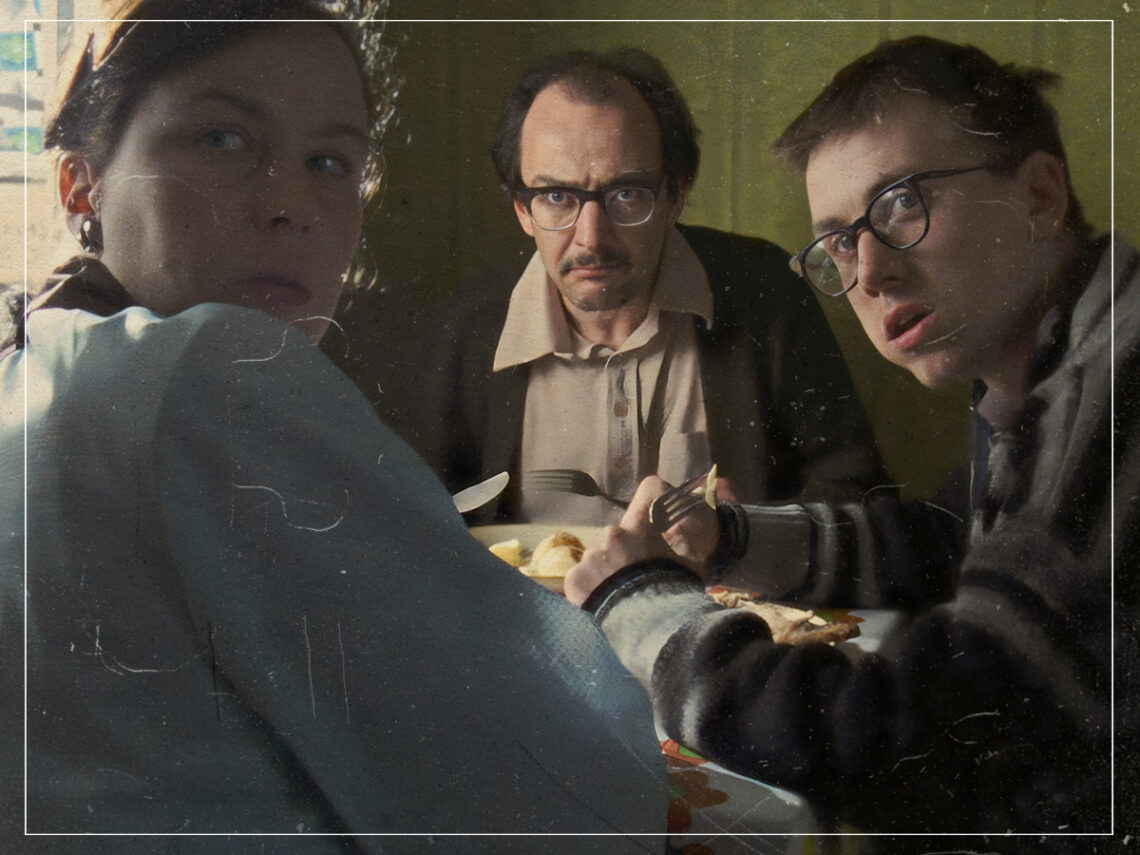
Released in 1983, at the centre of the film is a working-class family consisting of two 20-something sons who still live at home. Their mother, Mavis, is the only one who works, and it quickly becomes apparent that without her, the others would not survive. She works her paid job alongside extensive amounts of domestic work, epitomising the theory of the ‘triple shift’ put forward by feminist scholars, which argues that women have to engage in extra unpaid domestic and emotional labour in the home.
While she takes care of the house, her husband Frank is down on his luck, unable to secure a job and provide for his family. Their two sons, Colin and Mark, can’t find work either, and they subsequently spend their days doing very little of note, becoming increasingly disillusioned by the lack of opportunities on offer. Leigh makes it clear that the characters all have plenty of potential – they simply can’t use any of it because of their unfortunate circumstances, which is no fault of their own.
As Colin and Mark find themselves in and out of the job centre looking for work, their hopes for a fulfilling future seem to slip out of their grasp. They resort to trips to the pub, wandering the streets or hanging out with other similarly disadvantaged peers, just passing time rather than actively enjoying their lives. Gary Oldman’s Coxy, a disruptive skinhead, is similarly affected by unemployment and poverty, and his antisocial, rude behaviour reflects the sheer levels of discontent and hopelessness felt by many people during this time.
To emphasise the lack of purpose and aimlessness felt by the characters, Leigh allows his film to wander without much of a narrative. While this could alienate some viewers, this technique puts us in the mind of the Pollock family and highlights just how mundane and eventless their lives are. The same goes for the repetitive score, which is used minimally but typically features the same few tinkling notes.
The film also explores the relationship between Mavis’ sister, Barbara and her husband, John, who are middle-class. Barbara is constantly trying to appear as put-together as possible, and her performance of middle-classness is clearly exhausting. Her marriage is crumbling, yet she believes that everyone is none-the-wiser. Her insistence on paying Colin to help her renovate the house causes tensions, with Leigh exploring the intricacies of class in relation to family relationships with great complexity. We feel for Barbara, who is just trying her best to help, but we also can’t help but understand Mark’s annoyance as he believes that his brother is being taken advantage of.
As with all of Leigh’s films, Meantime uses plenty of humour to balance out the bleakness. It becomes a saving grace for the characters, who have little to smile about. There’s no Hollywood ending here, and Leigh doesn’t pretend that there’s a magical answer to the situation these characters – and millions across the United Kingdom – find themselves in. Still, Leigh acknowledges that the best thing we can do is stick together and look out for each other, that might be all we have.
