


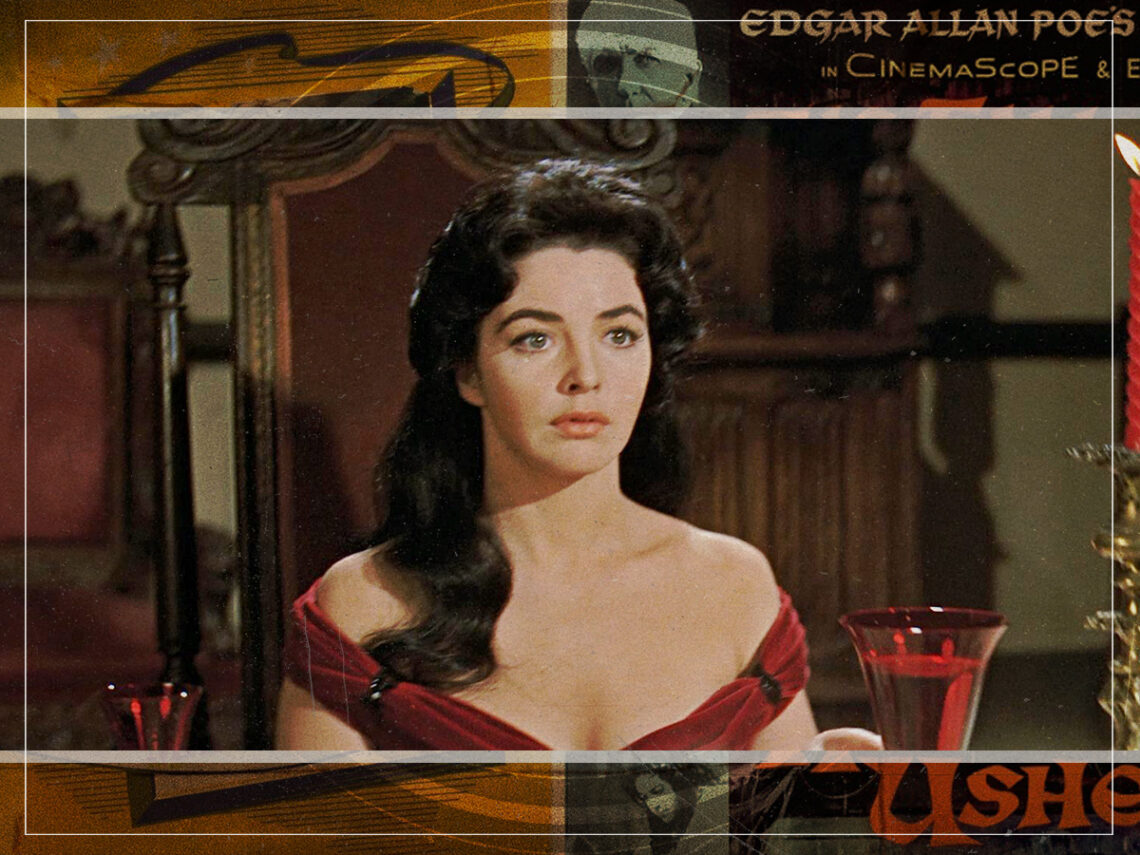
‘The Fall of the House of Usher’: The turning point of Roger Corman’s career

Modern Hollywood would look completely unrecognisable if it weren’t for Roger Corman, who emerged as one of the most important figures in the history of American cinema despite specialising and spending virtually the entirety of his career working in the B-tier arena.
Corman’s films were inexpensive, produced very quickly, and made with the minimum amount of fuss. They were never designed to win awards, gain acclaim, or do anything else except make a quick buck, but his fingerprints being all over Tinseltown underlined how even those working on the lower rungs of the ladder can become transformative presences.
Some of the names to have gotten their start under Corman include Francis Ford Coppola, Martin Scorsese, Jack Nicholson, Sylvester Stallone, James Cameron, Robert De Niro, Dennis Hopper, and Ron Howard, and that’s only the tip of an iceberg that hasn’t come close to melting given the way many of those names continue to be major players decades down the line.
Releasing multiple films on an annual basis, the Corman method was as simple as it was effective. They’d be in black-and-white to save costs, if an actor had several days left on their contract when shooting finished he’d put them in another movie, if a shoot came in ahead of schedule the sets would be reused, and the notion of wasting even so much as a single penny was nigh-on unthinkable.
However, with the dawn of the 1960s, Corman faced a significant turning point. Audiences weren’t exactly enthralled by monochromatic cinema anymore, putting him in a precarious position. The prolific producer had to evolve and adapt to the times or get left behind, forcing him to do something that went against his principles: spend a bit of cash and take his time.

In the grand scheme of things, $300,000 wasn’t a huge amount of money to spend on a movie, but it was for Corman. Not only that, but the proposed shooting schedule for Edgar Allan Poe adaptation The Fall of the House of Usher was a princely 15 days, and a third of those production costs were being paid directly into the pocket of star Vincent Price.
“Up until that point I was making pictures generally on a schedule of ten days,” he admitted to Film Comment, but distributors American International Pictures wanted something new. “AIP had a distribution pattern of putting two ten-day black-and-white pictures together as a double bill and sending them out together. For example: two gangster films, two science fiction films or two action films.”
Corman wasn’t interested in continuing down the same road he’d already spent years on, so he made the bold request that he be given almost two weeks and his biggest budget yet for a full-colour extravaganza, which understandably led to some protestations from those above his paygrade who weren’t quite sold on the prospect.
“There was some discussion because they weren’t certain they wanted to do it, but it was a friendly discussion and in the end they decided to go ahead,” Corman said, with the hiring of a high-profile – and highly-paid – name like Price leading the ensemble as patriarch Roderick Usher helping to soothe any fears a gargantuan failure may have been on the cards.
If The Fall of the House of Usher had failed miserably, then Corman could have been in dire straits. The production company was happy with the previous ‘if it ain’t broke don’t fix it’ model, but the filmmaker wanted to push the boat out a little bit, and it would have been his head in the chopping block had it not gone to plan.
Fortunately, it was a hit, earning close to $1.5 million in the United States and becoming a sleeper hit overseas, leaving Corman and his backers to wallow in the profits. From then on, there was a shift in how both parties approached their shared output, with more time and money being spent on the films to yield better – and more profitable – results.
