


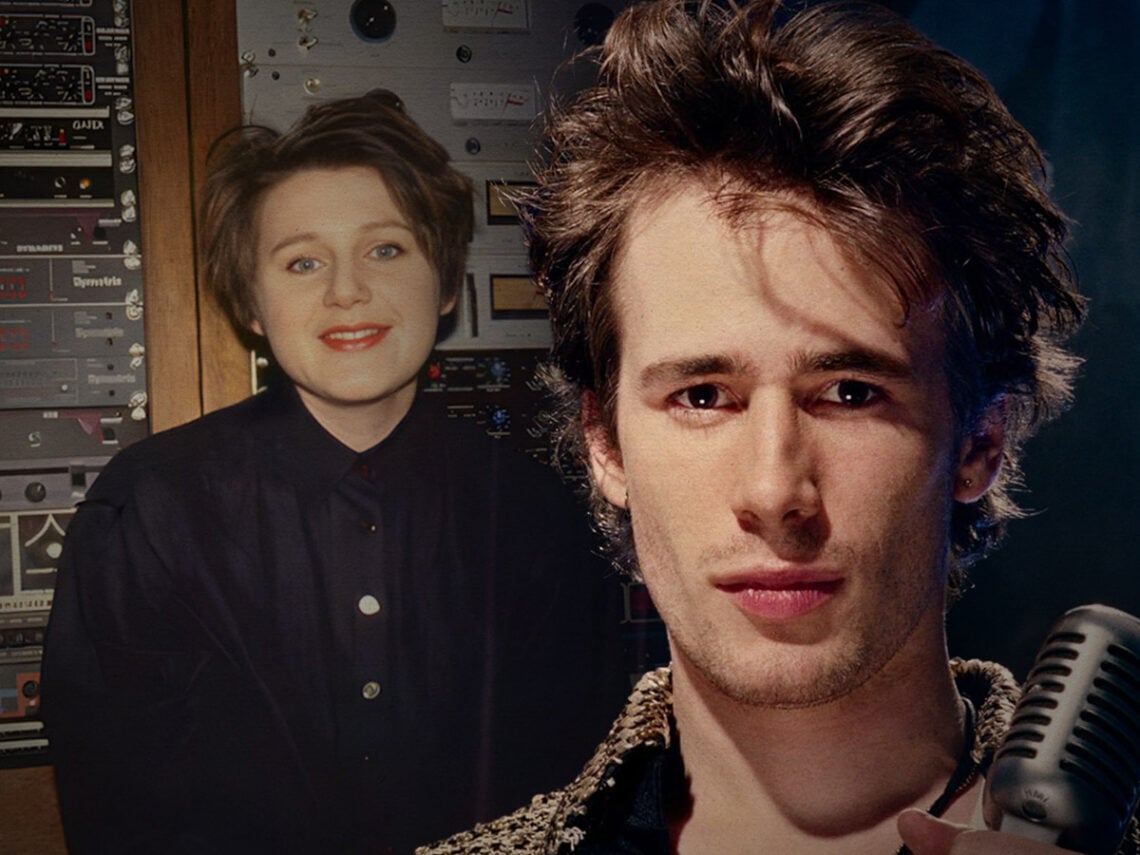
The era-defining romance of Jeff Buckley and Elizabeth Fraser

“All flowers in time bend towards the sun,” the titular song declares, sung in a duet by Jeff Buckley and Elizabeth Fraser, “I know you say that there’s no one for you / But here is one”.
At the beginning of ‘All Flowers In Time Bend Towards The Sun,’ Buckley’s melodies coincide with Fraser’s laugh in the background. When their vocals come together in the song’s chorus, Fraser’s encompass Buckley’s, hers being conversely deep against his high-ranging ones, paired with his acoustic guitar.
There is an intimacy that courses through the song; of course, knowing that Buckley and Fraser were in a relationship during the time of its recording lends to its personal nature, but listening to it feels like hearing something you weren’t supposed to, and that’s because you weren’t, as the song has never received a proper release, and only the leaked demo has circulated online since Buckley’s tragic passing in 1997.
“Why do people have to hear everything?” Fraser posed to The Guardian when reminded of the song’s circulation online, adding, “But it’s unfinished, you see. I don’t want it to be heard,” before noting, “Maybe I won’t always think that”.
The song was likely written and recorded sometime between 1994 and 1995, when Buckley and Fraser embarked on their brief but impactful romance. Nothing else is known about the song’s conception, and little else is known about their coinciding relationship, too.
“I was having a hard time in the band [that] I was in,” Fraser reflected on her time with Cocteau Twins, speaking in the 2002 BBC documentary, Jeff Buckley: Everybody Here Wants You, “So, to meet Jeffrey was just like being given a set of paints, you know what I mean? I had all this colour in my life again.”
Though it is unknown where the two met, Buckley and Fraser were, in their own way, fated to meet. Fraser was still with the Cocteau Twins, who had released their seventh album, Four-Calendar Café, the year before, one that was seeped in turmoil on account of Fraser’s separation from her partner and bandmate, Robin Guthrie, and his rehabilitation for his addictions.
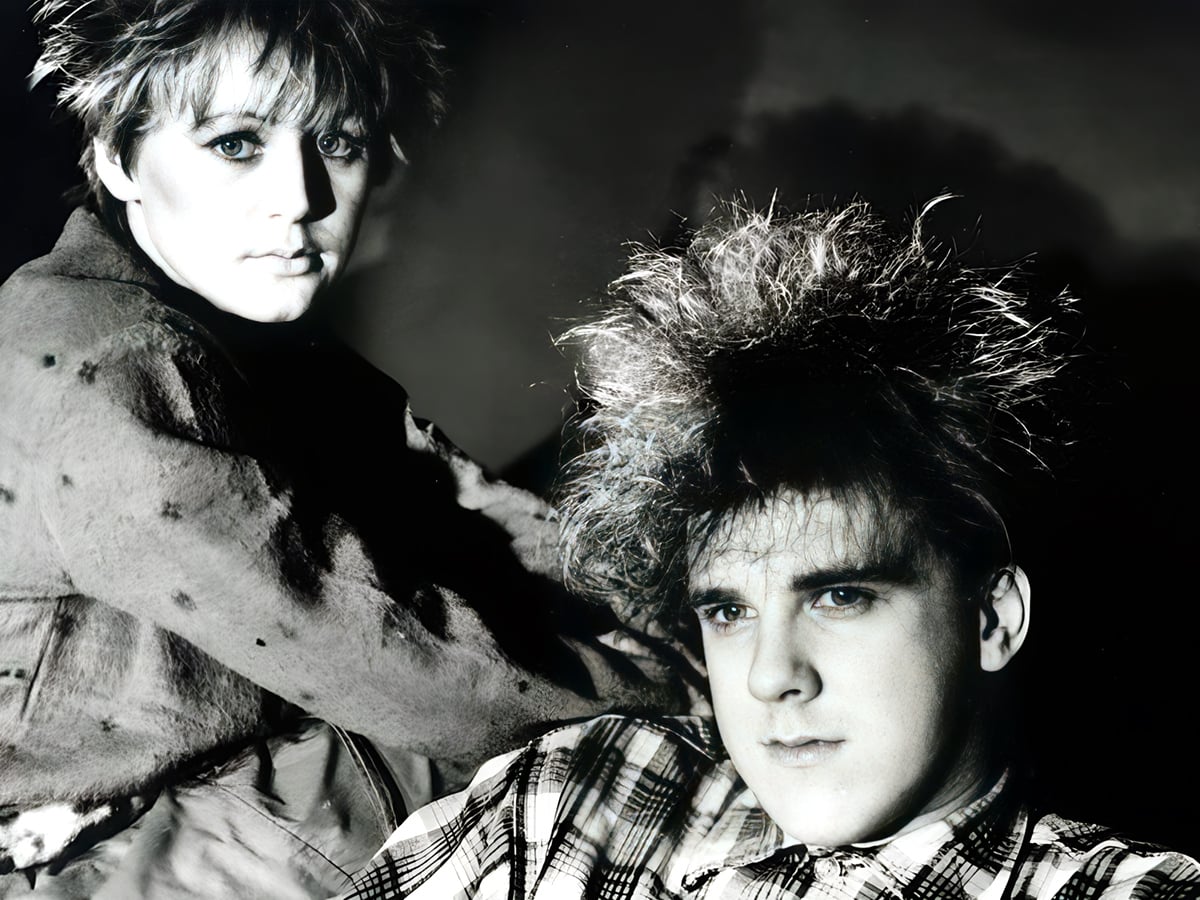
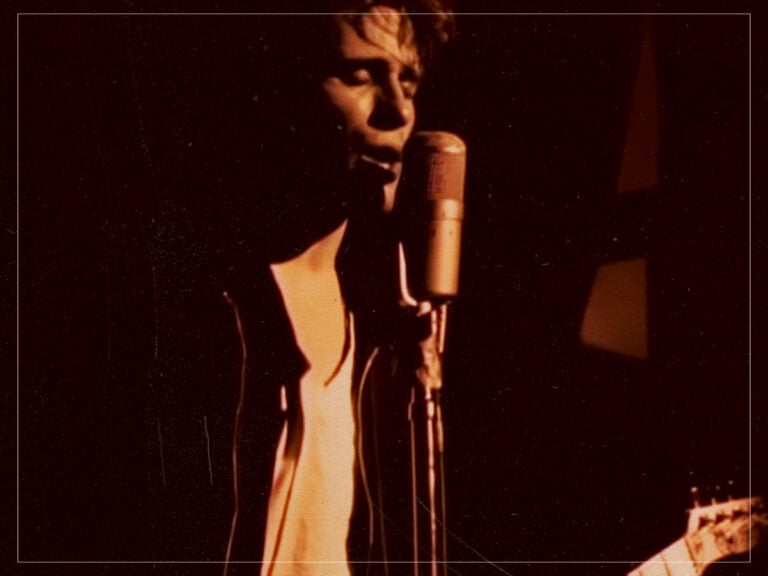
Buckley was in the midst of the release of his 1994 debut album, the timeless Grace, which made him a slow-burn icon of his era. The pair became conscious of one another: Buckley had been a longstanding fan of Fraser’s and she, before knowing of his existence, was a fan of his father, the late folk singer Tim Buckley.
“I could hear his soul, and it was just…I just found it very powerful, very healing music,” Fraser described of Tim Buckley, “I just thought he was so gifted and ended up spending quite a lot of time listening to him, and I think I’m a better singer because of that.” In 1983, Fraser, with the British music collective This Mortal Coil, covered one of Tim Buckley’s classics, ‘Song to the Siren’, ten years before she would meet his son.
“I mean, he idolised me before he met me,” Fraser explained of Jeff, “It’s kind of creepy, and I was like that with him; this is so embarrassing, but it’s the truth. I just couldn’t help falling in love with him. He was adorable. Just lovely.”
It is interesting to consider how similar both Buckey and Fraser were, despite coming from similar yet different realms within music. Both had this sort of intangible mystique that clouded them, so substantial that even at their most vulnerable, on ‘All Flowers In Time Bend Towards The Sun’, we learn of the chemistry shared between them, but little else of their dynamic.
“My eyes are a baptism,” Fraser sings in the song’s opening line, whereas Buckley later asks, “With your face in my window glow / Oh, where will you weep for me? / Sweet willow”. Their shared reverence sustains across the song, as they carry one another’s vocals and off-beat improvisations and imperfections with charm.
Fraser shared a glimpse of the deeply personal nature of their relationship, where the two revealed their innermost thoughts to one another in moments of candour. “I read his diaries; he read mine,” she revealed, “We’d just swap, we’d literally just hand over…this very personal stuff, and I’ve never done that with anybody else. I don’t know if he has.”
For Fraser, however, these moments became bittersweet as their relationship remained in an uncertain state. “In some ways, there was a great deal of intimacy, but then, there’d be times when I’d just think, ‘Oh, no…I’m just not penetrating this Jeff Buckley boy at all’,” she said with a laugh, “I just felt like a groupie or something, sometimes. It wasn’t like being his partner at all.”
Buckley’s sudden ascent into relative fame and the weight of such pressures were all-consuming, as he began to navigate how to balance expectation with his art. Fraser told The Guardian that, at this time, she wishes she’d “been more of a friend” to Buckley. “His career was everything to him, and I wish I had been more understanding, happy with a different kind of relationship,” she expanded, “I missed out on something there, and it was my fault.”
Buckley’s friend, photographer Merri Cyr, the woman behind the lens for some of Buckley’s most well-known photographs, including the Grace album cover, further explained this idea in the BBC documentary: “He could give up himself completely when he was onstage; that was a position in which he was entirely in control, and for him, I think this was a very valid way of experiencing love, and it didn’t threaten him in the same way that personal interaction with people did.”
Buckley is remembered, understandably, through a shroud of tragedy. The legacy he left behind on Grace stands as a testament to his brilliance communicated through poetry and his genre-defying rock renditions, a legacy that is furthered in the posthumous releases that we, as fans, are fortunate to be gifted. On the other hand, in the wake of Grace’s release, he fell into the predicament of unforeseen expectations and demand from fans, management and himself. If anyone were to understand such a complex burden, it would be Fraser.
“I mean, can you imagine what it must have been like to be Jeffrey and…everybody wanted something from him?,” she posited in the documentary, “You couldn’t help it. You just had something that you wanted; it didn’t matter who you were.”
By the time Buckley passed away in 1997, the pair had lost touch; Fraser learned of his passing while in the studio, recording Massive Attack’s ‘Teardrop’, a song that she says became somewhat about Buckley. At the time of his death, Buckley was engaged to the musician Joan Wasser, also known as Joan as Police Woman, while Fraser eventually met her partner, musician Damon Reece. The two’s relationship only lasted for a year, but its impact was left on Fraser, who, while not speaking of Buckley often, seems to remember him with a poignant tone.
“He was just really spontaneous, and it was just so exciting,” she recalled, “It was a life of experimentation and experience, as much as possible”.
