



The English folk song from the 1600s that American rock kept alive

Who is to say how music lives and dies? There are plenty of folk songs from yesteryear which should be forgotten by now, but have been kept alive by modern musicians with a penchant for storytelling.
It’s quite funny how much a song takes from those which have come before. When you listen to a track, you’re not listening to one brilliant spark of originality, but rather a piece of originality which has been built on a foundation of decades’ worth of music that has come prior. Art can’t simply exist in isolation; there are levels to every piece of creative work.
Take the Led Zeppelin song ‘Babe, I’m Gonna Leave You’ for instance. For a lot of people, the first time they heard this track, they had no reason to believe it had been put together by anyone other than Led Zeppelin. It had their iconic style, made up of acoustic sections and hard rock, but it wasn’t an original piece of music, as the track had lived a life long before it wound up on the lips of Robert Plant.
Jimmy Page originally came across the track because he had heard Joan Baez’s rendition of it. Baez was always a prolific songwriter, and so there was no shortage of material for other musicians to take from her; however, even she had covered this track. It was originally written in the 1950s by Anne Bredon, a folk singer who had put the track together alone.
Songs don’t necessarily need to be covers to draw influence from those tracks which came before, either. There are plenty of songs which are just reflections of different tracks, which take inspiration from something which came before but aren’t a direct copy of it. Quite a lot of folk songs were passed down through various incarnations of the track, as narratives are changed and the way songs are performed also vary. It seems fitting, then, that the track ‘Matty Groves’, which was originally written in the 1600’s, has been kept alive by modern American rock bands.
I say modern, modern compared to the 1600’s; the song was originally written around the early years in 1600, when a man, who was also known as Little Musgrave, was seduced on a holiday trip by Lady Barnard, a noblewoman. This brief affair doesn’t have a happy ending, unfortunately, as both are murdered by Barnard’s husband. This is the story that inspired a folk song, which lived on for years and years.
The track did eventually die out in England, and it was starting to look like the track may have had its final play. There were some scholars who had kept a record of it, and so a few variations existed somewhere in the stratosphere, but it wasn’t until American rock lovers managed to get their hands on the song that it was given a new life.
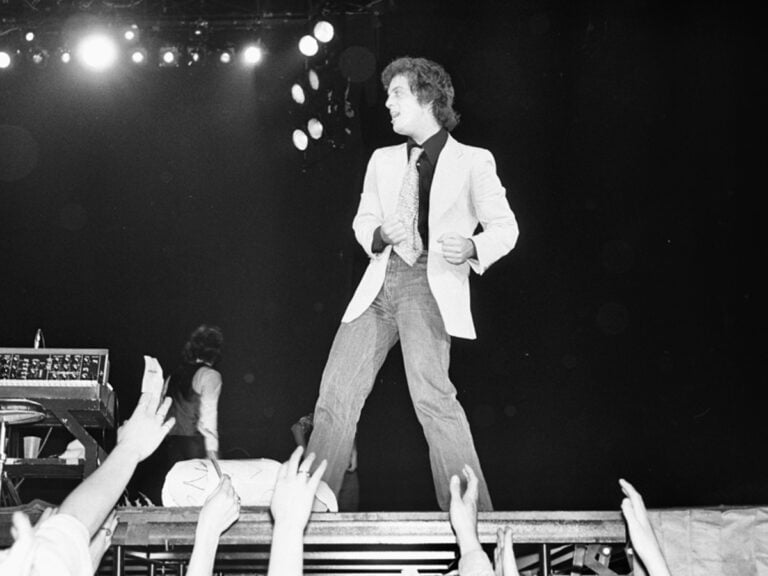
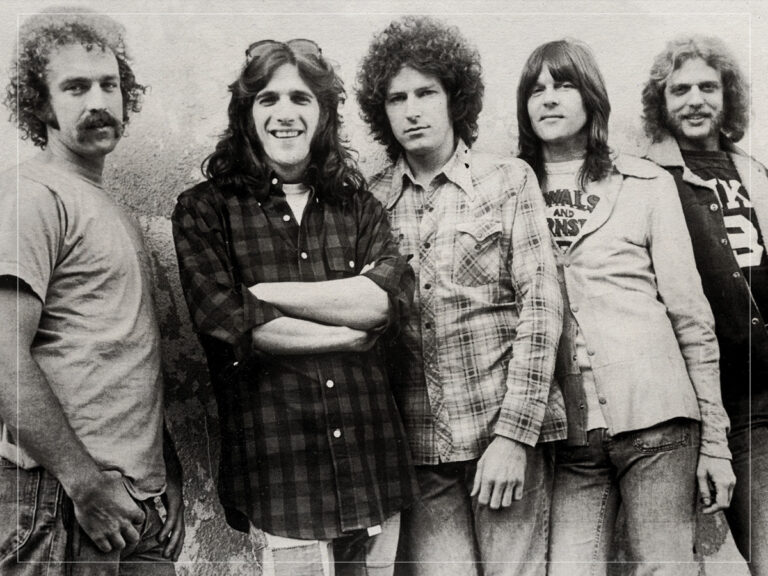
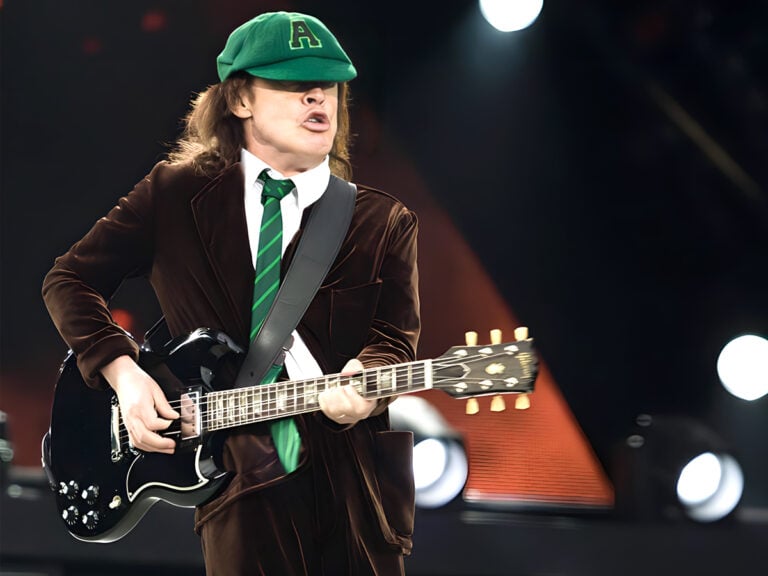
There’s something about the track which draws those within rock to play it. The melody is fairly modal, and it’s easy for people to put their own spin on it while still delivering something that sounds heartfelt and wholesome. Some of the big names who played the track were Jerry Garcia, Quicksilver Messenger Service, Tom Petty and The Everly Brothers. After almost completely disappearing in England, ‘Matty Groves’ was given a brand new lease on life thanks to American rockers.
Fairport Convention’s version of the song is probably the most famous, with crowds everywhere asking for it, so much so that the band became sick of it. When Sandy Denny from the band was asked about the song, she didn’t keep her disdain towards it secret, spitting, “If I have to sing it one more time… I rue the day Matty Groves was born.”

Never Miss A Tale
The Far Out Classic Rock Newsletter
All the latest Classic Rock content from the independent voice of culture.
Straight to your inbox.