


The Cure’s “dumb” 1983 song that left Robert Smith feeling liberated

Receiving fame and fortune can make artists react in various ways. While many seek this out from the offset, feeling it was their destiny to perform on the biggest stages and to see their faces thrust on billboards, the same can’t be said for The Cure‘s Robert Smith.
Despite being a member of one of the most iconic bands, selling out arenas for numerous decades, Smith has always maintained a low profile and prefers to live a quiet life. Essentially, The Cure frontman has two different facets to his existence. On the one hand, he’s a private person who lives in rural England, but he also performs in front of gigantic crowds to pay the bills.
Unlike many of their contemporaries, The Cure didn’t become stars overnight, and it was a gradual climb until they landed at their destination. Their fourth album, 1982’s Pornography, was the first record in their arsenal to truly make a cultural imprint, asserting Smith as the king of the goths and making a sub-culture icon.
Once reaching this position, an artist can go one or two ways. One possible route is to live up to expectations, which comes at the risk of becoming a parody, and the other option is to subvert the demands of fans almost to the point of alienation, which was the choice that Smith made.
After making Pornography, an album steeped in darkness, he took himself off to the Lake District to escape his surroundings, and the result was the frivolous pop song, ‘Let’s Go To Bed’. Although it never appeared on an album, the band reluctantly released it, and much to the annoyance of Smith, it became a minor hit in America.
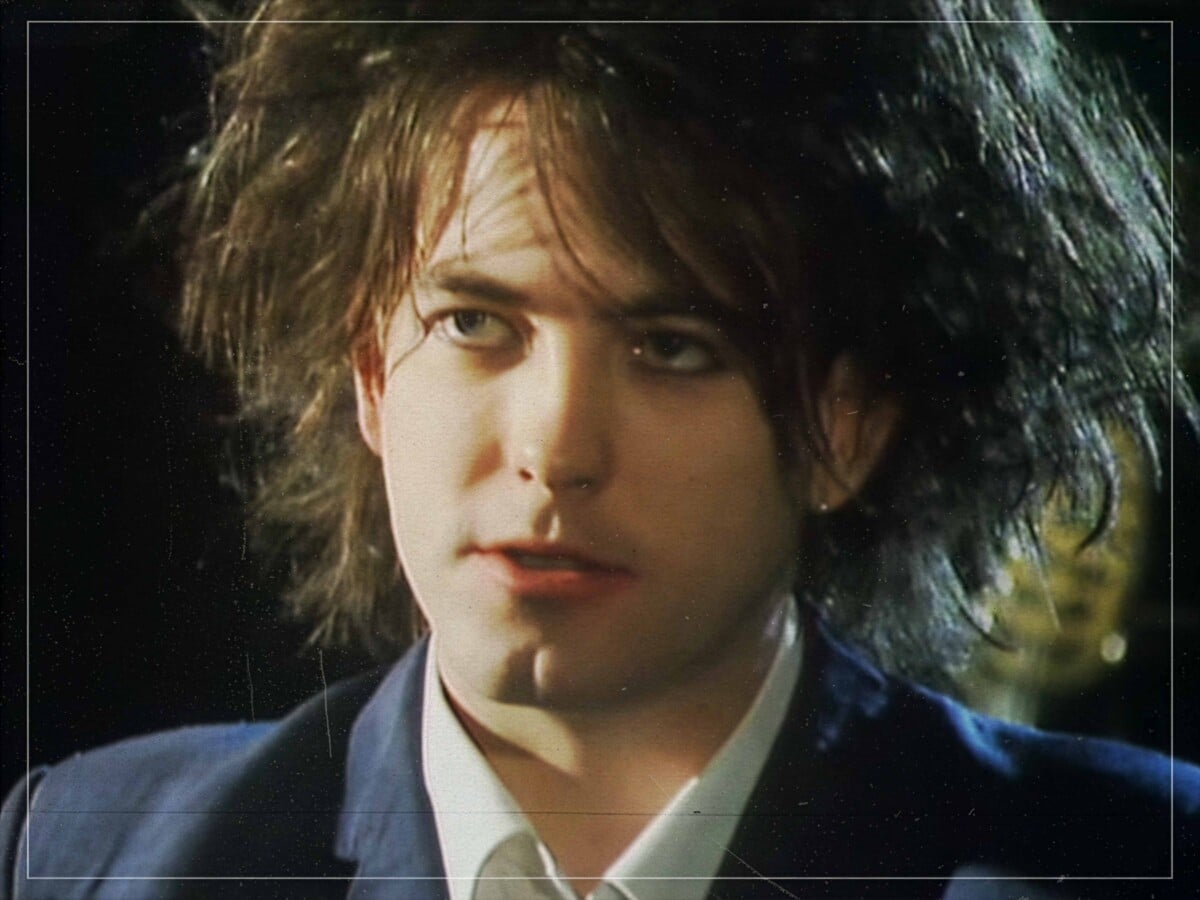
While it seems ridiculous for a band to not want one of their songs to become successful, Smith felt somewhat embarrassed by the track, which he hoped wouldn’t be taken seriously, and he felt a sense of relief when fans revolted against ‘Let’s Go To Bed’.
Speaking to the American publication Artist Magazine following the release, Smith explained the unlikely story behind a hit and revealed how it could have changed The Cure’s legacy forever had it been more successful. The singer divulged: “It was done initially as a Christmas single, not as The Cure, but anonymously. Once it was recorded, I lost interest in it. Of course, Perry didn’t. He said it was a pop hit—it wasn’t idiotic enough to write a dumb song like that and make it work — both Polydor and Chris Perry were convinced it was going to be a Top 20 single in Europe. They said if it wasn’t, I could do anything I wanted.”



While this was a massive risk taken on Smith’s behalf, he was prepared to gamble upon the song flopping. The Cure frontman admitted: “I thought it was a good opportunity, so I allowed it to be released and it went in at #56 and went out again and we were laughing hysterically—we won.”
Half-jokingly, he added: “But then it got to be a minor hit over here, which is really a comment on the American singles-buying public. It was good that it was hated everywhere else, we got a lot of hate mail from old Cure fans for allowing it to be released.”
Reflecting on the record, Smith once confessed he didn’t really think the tune had legs, “When I took ‘Lets Go to Bed’ to Fiction and played it to them, it was like silence. They looked at me, like, ‘This is it. He’s really lost it.’ They said, ‘You can’t be serious. Your fans are gonna hate it.’ I understood that, but I wanted to get rid of all that. I didn’t want that side of life anymore; I wanted to do something that’s really kind of cheerful. I thought, ‘This isn’t going to work. No one’s ever gonna buy into this. It’s so ludicrous that I’m gonna go from goth idol to pop star in three easy lessons.'”
But, not only did the tune perform, eventually, but it also allowed Smith to express himself in new ways, “Suddenly, ‘Let’s Go to Bed’ was turning into a big hit, on the West Coast particularly, and we had a young, predominantly female, teenage audience. It went from intense, menacing, psychotic goths to people with perfect white teeth. It was a very weird transition, but I enjoyed it. I thought it was really funny. We followed it up with ‘The Walk’ and ‘Love Cats,’ and I just felt totally liberated.”
Thankfully, ‘Let’s Go To Bed’ didn’t become an iconic track; instead, it stands as a forgettable footnote in their discography. Nevertheless, it’s a peak behind the curtain at the band that The Cure could have been in an alternate universe, which mercifully didn’t come to fruition.
