


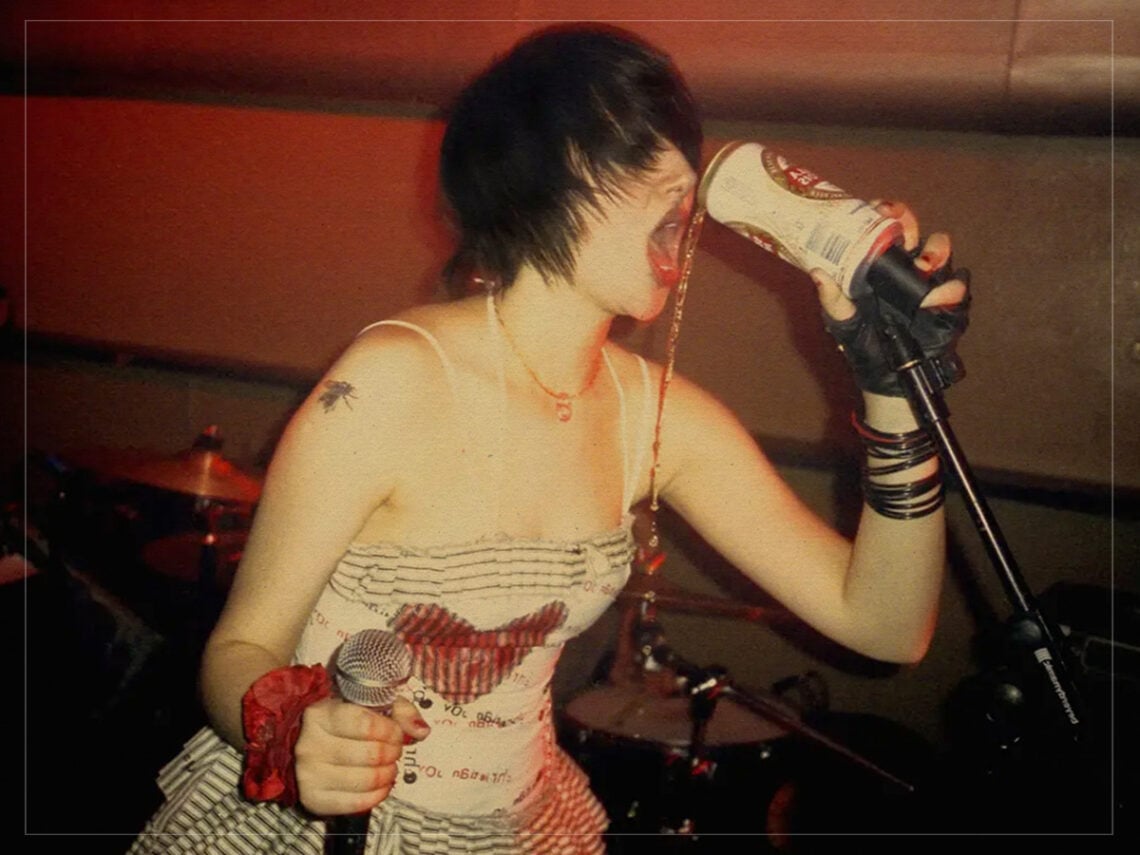
The ‘Meet Me in the Bathroom’ moment that made Karen O an icon: “That was so controversial”

When you look back through the biggest names of rock and roll, one thing that was commonplace throughout them all was pain.
Take the likes of Stevie Nicks and Rumours, for example. Her songwriting was so inextricably linked with her own personal pain that when it was released to critical success, she continued to pour her own personal life into her music. And that thread continued on. We, as fans, harvested this dysfunctional relationship where we would almost pray on the demise of our favourite artists, in the name of good music.
Thankfully, in the modern world of music, we’ve combatted that ever so slightly. Artists like Sam Fender and The Last Dinner Party have publicly cancelled shows in a bid to protect their own mental health. Burnout in the modern and hardly lucrative landscape of music is commonplace, but rather than fight through it for the benefit of the audience, they call time on the whole thing, and their music is all the better for it.
But even in the 2000s, an era perceived as new age, pulling such a move would have been deemed shocking and, as Karen O says, controversial. How does she know? Well, she was one of the few artists who experienced it during those days.
“Self-care is misperceived as weakness and it’s absolutely the opposite, it’s strength,” she explained to Rough Trade. “Especially when you are a front person in a band or a woman among a lot of men, there’s a vital misconception that you have to push through no matter what, even if it’s demolishing you and I think that’s kind of the wrong attitude to have. I was speaking to Maggie Rogers at an event a couple days ago and there’s this moment in Meet Me In The Bathroom, in the film and also the book, where I talk about how I cancelled a bunch of tour dates because it was killing me and we weren’t able to focus on finishing our debut record.”
She continued, “That was so controversial, and I was a real pariah because of it! My understanding was that the record is gonna last forever and we can put the shows back on sale when we are ready for them, but if we are touring incessantly then we won’t be able to make this album as good as it can be and I was being destroyed in the process. And Maggie was saying that that decision that I had broadcasted was one of the most important things that she had taken in and learnt about her own career and was a game-changer for her, just to know that you could prioritise and not have to be towed along by forces that are bigger than you, that you can call the shots.
Karen O may not have realised it when she did it, but it was a groundbreaking move that ultimately set a precedent for future musicians to follow. Had she not done it in the 2000s, who knows how much longer it would have been until Fender and alike would have felt the freedom to make their decisions.
