


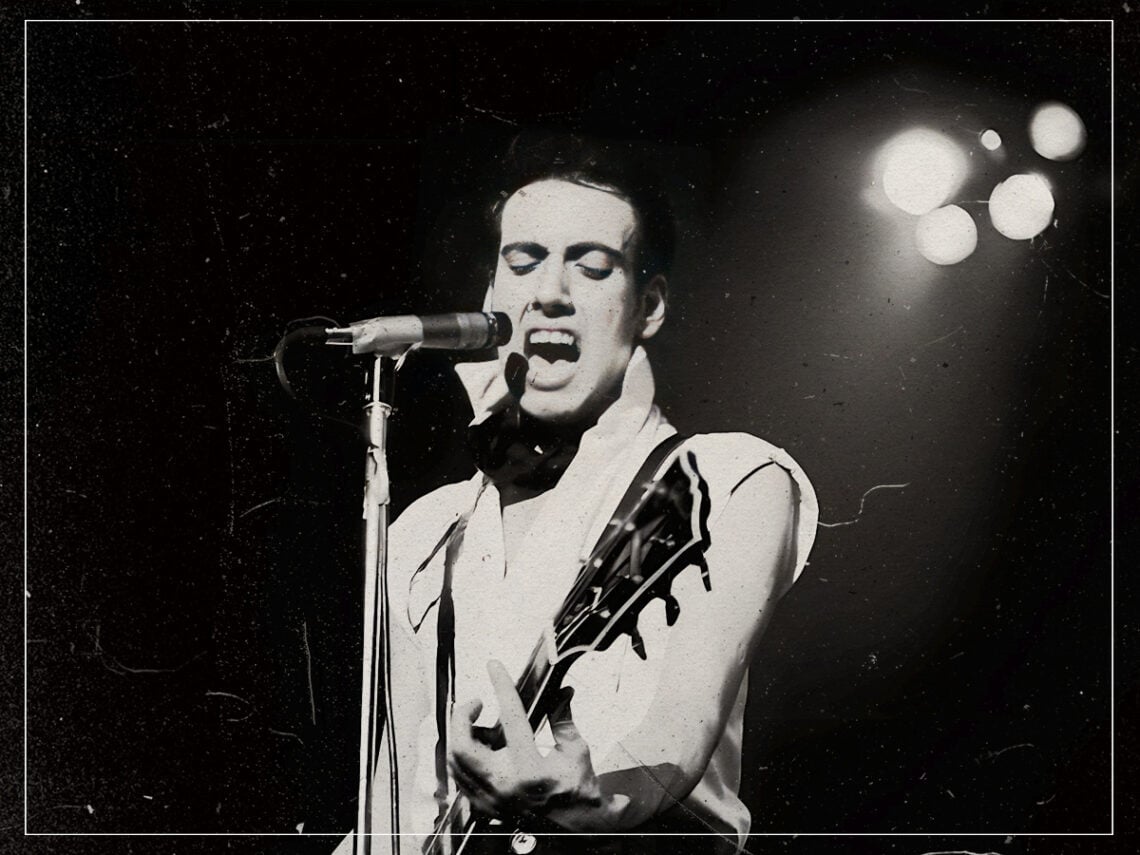
The Clash’s Mick Jones selects the “big five” British bands

It didn’t take long for punk, which had arisen from sweaty underground venues in New York, to catch on in the United Kingdom. The Sex Pistols led the charge, turning this abrasive new genre into its own subculture. Musically, punk was defined by an anti-authoritarian lyrical stance, often possessing a rough-around-the-edges sound that expressed urgency and frustration. While the initial buzz of punk was short-lived, its legacy lives on in virtually every guitar band that has followed in its wake.
However, the Pistols weren’t the only prominent punks. At the same time, The Clash were honing a distinctive sound, becoming another one of the genre’s biggest names. Rather than just stick to simple guitar chords, The Clash started to branch out and incorporate other genres, most notably ska and reggae, into their sound. Their third album, 1979’s London Calling, demonstrated this widening of influence, with songs such as ‘London Calling’, ‘Spanish Bombs’, ‘Rudie Can’t Fail’, ‘Lost in the Supermarket’ and ‘The Guns of Brixton’ all becoming iconic tracks of the era.
While each member of the band was of high importance, The Clash would’ve been nothing without guitarist Mick Jones. While he was fired from the band in 1983, Jones still contributed his songwriting skills to some of The Clash’s greatest hits, such as ‘Train in Vain’, and ‘Should I Stay or Should I Go’, on both of which he sings lead vocals, and ‘Rock the Casbah’.
To become such influential musicians, The Clash looked back to some of the biggest British bands that came before them – a canon they would soon become a part of. In an interview with CNN, Jones explained, “I was lucky enough to grow up at the time when they [British bands] were doing their most fantastic music.”
He continued: “When you do music yourself, it’s interesting – it’s like a two-way highway. You go back and find out what influenced the people you liked, so you’re going backwards, at the same time you’re in the present trying to do something. It led us back to so many American artists – blues, soul and rock and roll.”
For Jones, there were five British bands that influenced him the most, starting with an obvious choice: The Beatles. While some fans might question The Clash’s love for the band due to the lines “phoney Beatlemania” in ‘London Calling’, Jones once stated in the Wall Street Journal that it was used to criticise “all the touristy sound-alike rock bands in London in the late ’70s”.
He added: “We were fans of The Beatles, The Who and The Kinks — but we wanted to remake all of that… Our message was more urgent — that things were going to pieces.”
The Who and The Kinks were two of Jones’ other big inspirations. Both were vital members of the British Invasion, taking the world by storm with their incredible slices of rock and roll. The Kinks greatly impacted the development of punk rock due to their often coarse-sounding guitar tones and punchy riffs. Likewise, The Who embraced techniques such as feedback and inspiring classic rock, punk, and even metal progression.
Of course, Jones couldn’t mention the above bands without also highlighting The Rolling Stones. He once picked out their 1972 album Exile on Main Street as one of his favourite records by the band. The Stones epitomised the ‘sex, drugs and rock and roll’ lifestyle, and when they weren’t getting up to no good, they could be found rewriting the songbook, becoming one of the most prominent bands to blend blues influences with heavy rock and roll.
Jones’ fifth pick to make up ‘The Big Five’ was The Small Faces, who began as a mod outfit before turning their attention towards the burgeoning psychedelic scene. Like many bands of the period, their early days were spent playing covers of rhythm and blues tracks, although they soon evolved, becoming known for songs like ‘Itchycoo Park’ and ‘Lazy Sunday’.
