


“Full of experimentation”: The Beatles album George Martin called one of his favourites

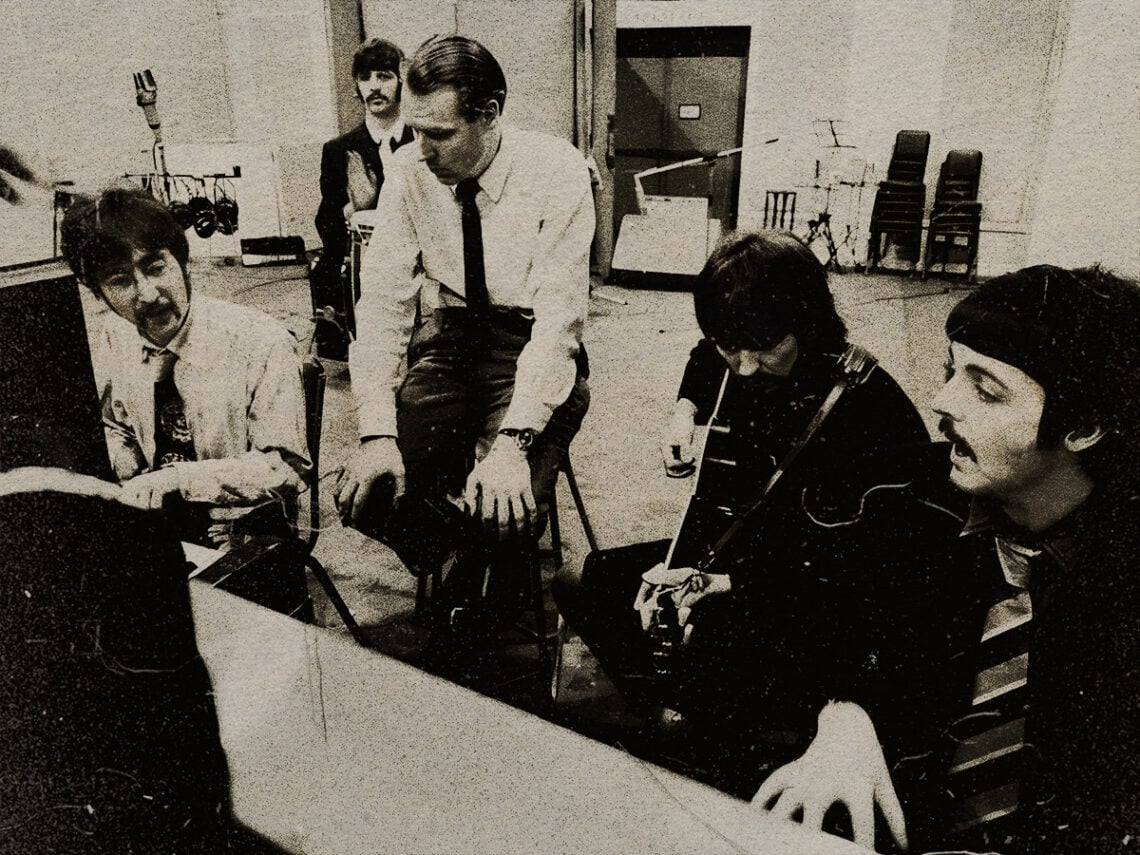
There weren’t four members of The Beatles; there were five. John Lennon, Paul McCartney, George Harrison, Ringo Starr – and George Martin, the essential fifth Beatle who was as formative of the band’s sound as the rest. From their debut to Abbey Road, Martin sat behind the production desk, pulling their records together, introducing new styles and encouraging the band to try new and different things. That innovative flair is exactly why one album stood out as one of his favourites.
It was a perfect coming together of two parts. There are a few instances throughout musical history where a partnership between an artist and their producer has been revelatory, as the two work together in perfect harmony and encourage each other to be better and bolder. The relationship between The Beatles and George Martin is the epitome of that as the producer was essentially adopted into the band as a fifth member, becoming a core part of their creative process and unit.
For the majority of their career, every idea the band had was run by Martin. At the start, he helped them establish their rock and roll sound that first made their name as the leader of the genre in the UK. But as the band evolved, Martin played a vital role in helping them grow and change. The relationship was in no way stifling as the producer was just as interested in keeping the band moving forward and daring to try new and adventurous things along the way.
The studio was Martin’s playground as a producer obsessed with the possibilities of his workspace. But for the band, too, it became their safe haven. “They loved working in the studio,” Martin said of the ground. “The studio was their refuge from the mad world outside of concerts and fans and pressures and interviews. In the studio, They could be themselves with me; they weren’t interrupted or bothered by anybody, and they could do what they wanted.”
In particular, the studio became a kind of safe space in the mid-1960s when Beatlemania was at its peak. There’s a direct correlation between the band feeling increasingly overwhelmed by their fame and the levelling up of their sonic experimentation. The more stressful their world became, the more they played in the studio, becoming interested in new sounds and trying new things.
That was the context in which Rubber Soul was born in. Following Help!, their 1965 sixth album, was the band’s clear first step into more countercultural sounds and away from the classic rock and roll energy of their initial releases. While their early records had been relatively simple to allow for easy live performances, Rubber Soul was also the first sign that concerts were becoming unimportant to the band and secondary to their recorded sound as they engaged with bigger, bolder production that wouldn’t be easily replicated on stage.
For Martin, that’s exactly why he loves the record so much. “Rubber Soul is one of my favourite albums. I think it’s a favourite of a lot of people too.” he said, “It had a lot of innovation, it had a lot of new sounds.”
Those new sounds weren’t just coming from Martin and his production flair as he began to introduce the band to more experimental processes in the studio. But they also came from what Martin described as the group’s “eternal curiosity”. At the time, Lennon was getting interested in more folk sounds like Bob Dylan, while Harrison had been off learning about Indian instruments and music. They each brought a constant stream of new ideas and interests into their working world, and on Rubber Soul, they’re heard.
That’s what makes it so special for Martin, as both a producer and a music fan. He said, “Rubber Soul was full of experimentation and innovation.”

Never Miss A Beat
The Far Out Beatles Newsletter
All the latest stories about The Beatles from the independent voice of culture.
Straight to your inbox.