


The band Rick Rubin ignored and then couldn’t stop listening to: “I didn’t like it”

Rick Rubin has always been one to immerse himself in the music that he’s making.
Everything the producer approaches is usually from a fan’s perspective, and most of the best records he’s worked on involve collaborating with artists on the main idea of a song before structuring it into something that’s far more interesting. Although Rubin has built up an eclectic mix of genres under his production belt, he can also admit when he gets it wrong occasionally.
By the late 1980s, Rubin had started moving away from hip-hop and heavily into rock music, eventually working with Red Hot Chili Peppers to create their masterpiece Blood Sugar Sex Magik. In the background, though, Rubin was also keeping Tom Petty’s Full Moon Fever in heavy rotation, which would lead to him working with Petty just a few years later on the album Wildflowers.
Around the same time, a different kind of music was forming across the US, with Trent Reznor bringing together the sounds of metal and techno to create the building blocks of Nine Inch Nails. While Reznor’s debut album Pretty Hate Machine garnered attention thanks to songs like ‘Head Like a Hole’, Rubin admitted to not clicking with the album on first listen.
When speaking with Flea about the emergence of Nine Inch Nails, Rubin was not all that impressed, explaining in This Little Light: “I can remember the first time I heard Nine Inch Nails, I didn’t have any context for it, and I didn’t like it. It took six months after that first independent album came out before it came around and became the only thing I listened to.”
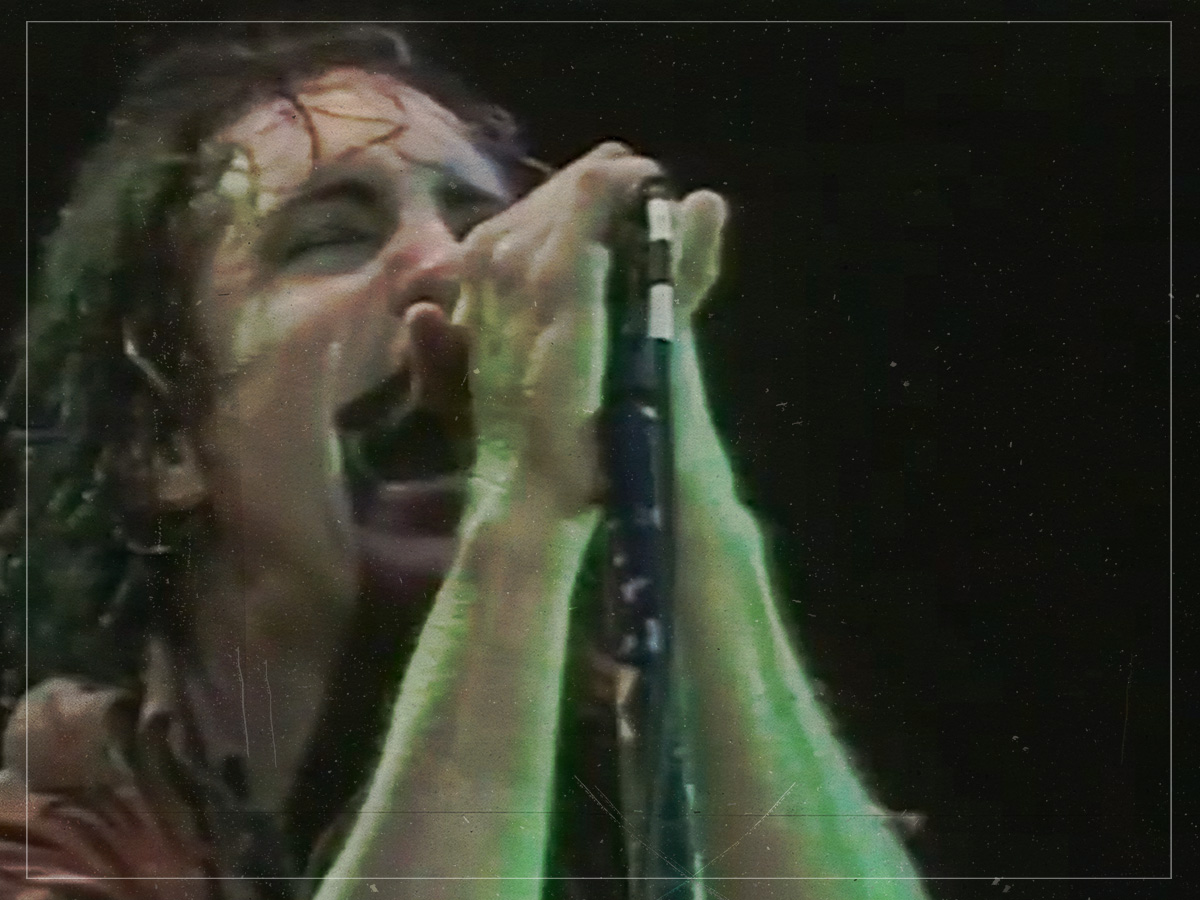
At that point, Rubin was all about bringing things back to basics with the Red Hot Chili Peppers, and the massive technological breaks going on in songs like ‘Terrible Lie’ seemed to be the polar opposite of what was happening. While industrial wasn’t a genre to Rubin’s taste, things started to change once he began delving a little deeper.
That initial disconnect highlights just how quickly music was evolving at the time. What felt alien or overly mechanical on first listen was, in reality, part of a broader shift in how artists were beginning to express emotion through texture and atmosphere rather than traditional instrumentation.

For Rubin, it wasn’t about abandoning his instincts but expanding them. Once he moved past the surface-level differences, he began to recognise that the raw honesty he valued in stripped-back rock wasn’t all that different from what Reznor was doing, just filtered through a completely different sonic palette.
On future records like The Downward Spiral and returning to their debut, Rubin found something that he could identify with: “I got past the surface of what it sounded like to the songs and the emotion in Trent’s writing and singing, then I loved it. It took his songs to get me past, stylistically, what I didn’t like about it.”
Whereas other industrial acts were interested in making some of the most abrasive music imaginable, Reznor was peeling back the layers of his fragile mind on his records, allowing the audience to look inside to see what a tortured soul looked like. As Rubin continued working, he also incorporated some of those sounds into his production work.
Years after not understanding it, Rubin was the one who suggested using the finale of The Downard Spiral, ‘Hurt’, as one of the final songs Johnny Cash recorded, putting a bold exclamation on the final days of his career. Even when working with modern metal acts, Rubin’s work with Slipknot on Vol. III (The Subliminal Verses) has traces of Nine Inch Nails within its grooves on tracks like ‘The Blister Exists’. Music isn’t always to the listeners’ tastes, but the best musicians can go beyond genre altogether and make something that anyone with an open heart can enjoy.
