


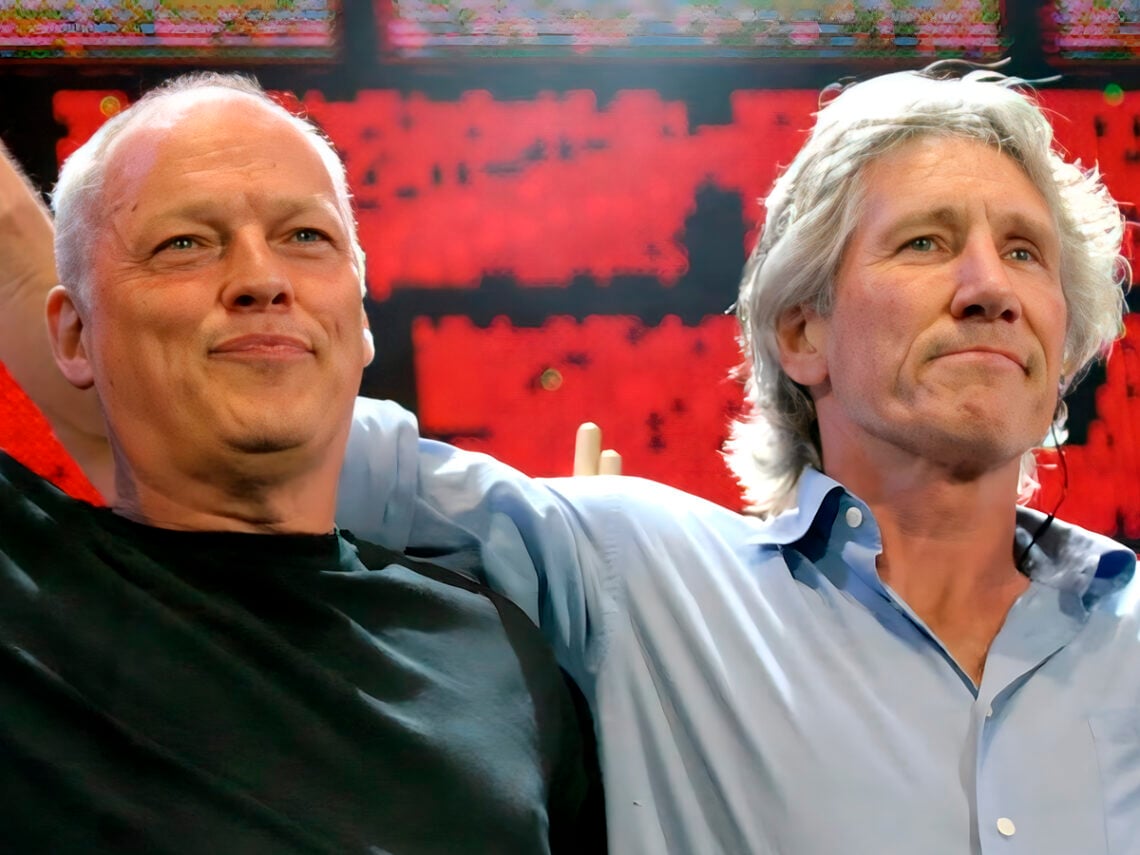
The band David Gilmour and Roger Waters always looked up to: “We could be free artists”

Becoming one of the biggest rock and roll bands of all time might not have been in Pink Floyd’s mind when Roger Waters and David Gilmour started working together.
If anything, it felt like the band was barely holding together after the loss of Syd Barrett, and it was going to take a long time before they were anywhere close to the coherent outfit that they were on their debut record. But since they all had the same goals in mind, all they needed was to hunker down and make sure that they followed every lesson their idols had to teach.
But part of the friction of Floyd also came from the way that Gilmour and Waters looked at the music. Both the music and the lyrics were equally important on all of their greatest records, but since Waters was more set on setting up a storyline and making the best sonic statement that he could, Gilmour was more than happy to make songs that were about hearing the band play the best music they possibly could.
There’s certainly a way to do both on records like Dark Side of the Moon and especially Wish You Were Here, but it took a long time for the band to gel properly. But that kind of adventurousness that they had on all of their records tended to become a lot more pronounced once they had a solid foundation. Ummagumma may have been one of the worst-received Floyd albums by the fans, but what it did manage to do was a clear path forward for them to move on.
And after spending years toying with ideas, Meddle was the first time they truly hit on the magic. ‘Echoes’ was the watershed moment where they finally started sounding like themselves, but that originality came from listening to what The Beatles could do on record. The Fab Four were among the finest musicians of their generation, but it was their willingness to go against the grain that appealed to Waters when he first started making music.
He was lucky enough to look in on the sessions of Sgt Pepper, but the real lesson he got was to never be afraid to work on an idea that seems a bit strange, saying, “I learned from John Lennon and Paul McCartney and George Harrison. That it was okay for us to write about our lives, and what we felt — and to express ourselves… That we could be free artists and that there was a value in that freedom. And there was.” That sense of empathy really helped kickstart Waters’s songwriting, but Gilmour was more interested in the details of their records.
Albums like Revolver were very dense for their time, and Gilmour was looking to study everything they did, saying, “I really wish I had been in the Beatles. [They] taught me how to play guitar; I learnt everything. The bass parts, the lead, the rhythm, everything. They were fantastic.” They were the perfect idols for Floyd, but the disagreements between John Lennon and Paul McCartney weren’t all that different from what drove Gilmour and Waters apart back in the day.
Each of them saw their music in a different way, but when Waters started to question whether the band could go on without him, that was the point of no return. Gilmour was more than happy to take the name Pink Floyd and make his own music, and if Waters was content with moving on, he could still manage to come up with a few great tunes on albums like The Division Bell, no matter how many times his old bandmate chastised him about it.
Still, it’s hard to think of a better way for them to have started than listening to those Beatles records back in the day. They were a pop band in most people’s eyes, but the inner details of their songs made you think in the same way that a song like ‘Money’ whenever that signature bassline started.

Never Miss A Beat
The Far Out Beatles Newsletter
All the latest stories about The Beatles from the independent voice of culture.
Straight to your inbox.