


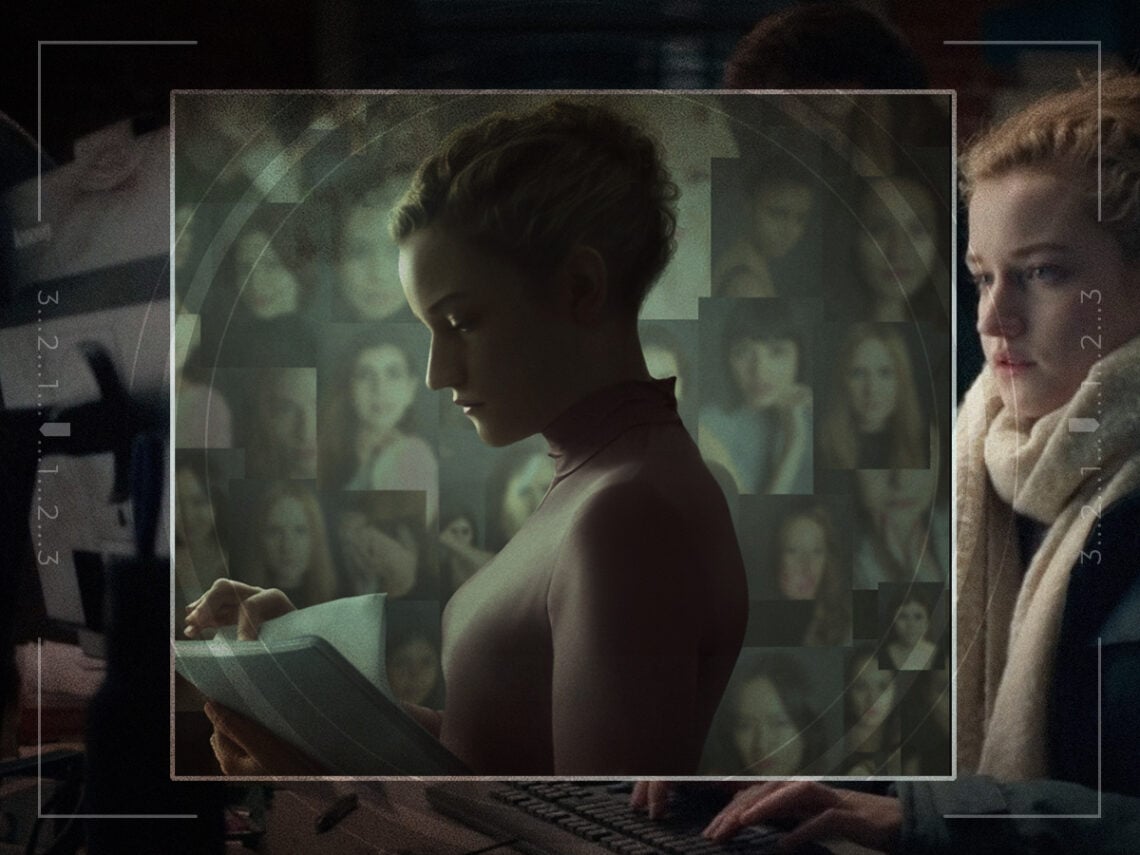
‘The Assistant’: examining one of the few triumphs from the post-#MeToo boom

After the #TimesUp and #MeToo movement began, a new era dawned on Hollywood in which women’s stories slowly entered the public arena and punctured the traditionally limiting narratives that had haunted women for decades. But naturally, the film industry is a cesspit of exploitation, corruption and false values, with a subsequent frenzy of movies that studio executives created as lip service to the movement without doing anything to address the gender inequality in the industry, green-lighting a fluster of projects that vaguely attempted to address these issues but mostly just tried to repair Hollywood’s reputation, inadvertently worsening the problem by tricking everyone into thinking that their hands were now clean.
From the disappointing release of films like Bombshell and She Said, which both capitalise on interesting stories from this time but do so in an extremely bland way, ticking the box of creating a movie that focuses on ‘feminist issues’ while doing a disservice to the story through a poor script or dodgy messaging. This is also increasingly frustrating when male directors are being given more opportunities than women to direct these stories, with the director behind the hit spy film Austin Powers somehow being considered the perfect man to bring the story of the Fox News sexual abuse scandal to the big screen.
However, in a world that is being obliterated by movies that are falsely marketed as feminist stories or empowering allegories, whether it be through the problematic ‘girl-bossification’ of rape culture in Emerald Fennel’s Promising Young Woman or Zoë Kravitz’s Blink Twice, there is one redeeming film that offers a genuinely nuanced perspective on the issue, elevating the post-#MeToo genre from the trenches and showing other people in Hollywood how it’s really done.
Many films from this genre go wrong in their insensitive portrayal of sexual assault and violence, with often graphic scenes that revel in the sight of women being beaten to a pulp without offering any nuance besides the incredibly hot take of ‘misogyny is bad’ (thank you, Ali Abbasi). But where movies like Holy Spider and Blonde go horribly wrong, instead adopting the perspective of the attackers and solely defining the women by their suffering and traumatic experiences, Kitty Green’s 2019 film The Assistant revolutionizes an often-exploited story by sharing it in a subtly unnerving and quietly powerful way.
Starring Julia Garner in the lead role, The Assistant is a portrait of an assistant to a powerful film executive, following a day in her life as she grows increasingly aware of the insidious abuse in the company. While many stories about sexual harassment and abuse linger on depictions of physical violence, Green instead focuses on the toxic culture that this behaviour breeds and the overbearing feeling of powerlessness when working in a male-dominated industry.
Jane, played by Garner, carries out her everyday routines in the office, from making photocopies of headshots or filing expenses, but no matter how inconsequential the task seems, each moment is infused with stress and the looming threat of her boss. Green chooses never to show him, instead portraying him as an omnipresent person whose presence looms over the office even when he isn’t there, breeding fear amongst his employees and creating a culture that relies on their silence.

While the day begins with menial tasks, we quickly begin to see snippets of things that point towards a wider and normalised toxicity in the company, with each employee trying to avoid the wrath of their boss and quietly ignoring his wrongdoings. When he shouts down the phone at Jane or sends nasty emails berating her for a nonexistent mistake, it is barely discussed or acknowledged, with the damage control that comes from triggering one of his tantrums becoming a daily routine. She bears the brunt of all the stress in the office as a result of occupying the lowest paid (and respected) position, with the audience realising that this toxic work culture is a normalised part of the job.
But even in a generally awful office environment, it is particularly bad for Jane as one of the few women, with Green capturing the complete suffocation of being in a male-dominated industry where men are protected and championed at the expense of women’s safety/wellbeing, with Jane beginning to pick up on clues that her boss is abusing his power and demanding sexual favours from female actors. After a young woman arrives at the office and describes how she was personally selected by her boss for a new project (despite having no previous acting experience) and has been asked to meet him at a nearby hotel, Jane quietly grapples with the insidious subtext behind this situation and her powerlessness in stopping this.
She continues with her day, cleaning his office and finding an earring on his sofa. She organises the accounts and notices a discrepancy with a payment that has no name or description. After calling to enquire about the payment for the books, she is quickly dismissed and told not to probe any further. Through a series of small and discreet moments, Green creates a claustrophobic overview of the corrupt culture in the film industry that crushes women and expects them to be silently subservient to those in power, unable to use their voice and filled with constant dread that your career will be ruined if you do.
Despite containing no explicit details, The Assistant is an increasingly anxious story that is gut-wrenching in its simplicity, highlighting the insidiousness of this culture and the cost of working in the film industry for many. Perhaps the most powerful moment of the movie comes when Jane decides to speak up about her boss, visiting HR and voicing her concerns over his abuse of power. However, after initially feigning concern and empathy, once the HR manager picks up on what she is saying, she is shut down. He already knows about what she is describing, and not so surprisingly, his allegiance is not with her. Perhaps for no other reason than that the industry has always sided with and enabled abusive men, he dismisses her, concluding with the terrifying observation that she isn’t his type anyway and, therefore, shouldn’t worry.
The film ends with Jane leaving the office, sitting in a nearby diner and calling her parents. They are concerned about her long working hours, but she reassures them that this job is important and will lead to better things in her career. As she perhaps tries to convince herself of this, she looks up and sees the faint outline of her boss as he closes the blinds in his office, able to make out the distant presence of a woman standing in the background. The Assistant is terrifying in everything that is left unsaid, highlighting the true terror of working in a broken system that denies your humanity by forcing you into complicity and silence.
It captures the fear, anxiety and suppressed anger of an entire office that lands on the shoulders of the most vulnerable person in the office, creating an unbearably tense and sadly accurate portrait of what it means to be a woman in the film industry today.
