


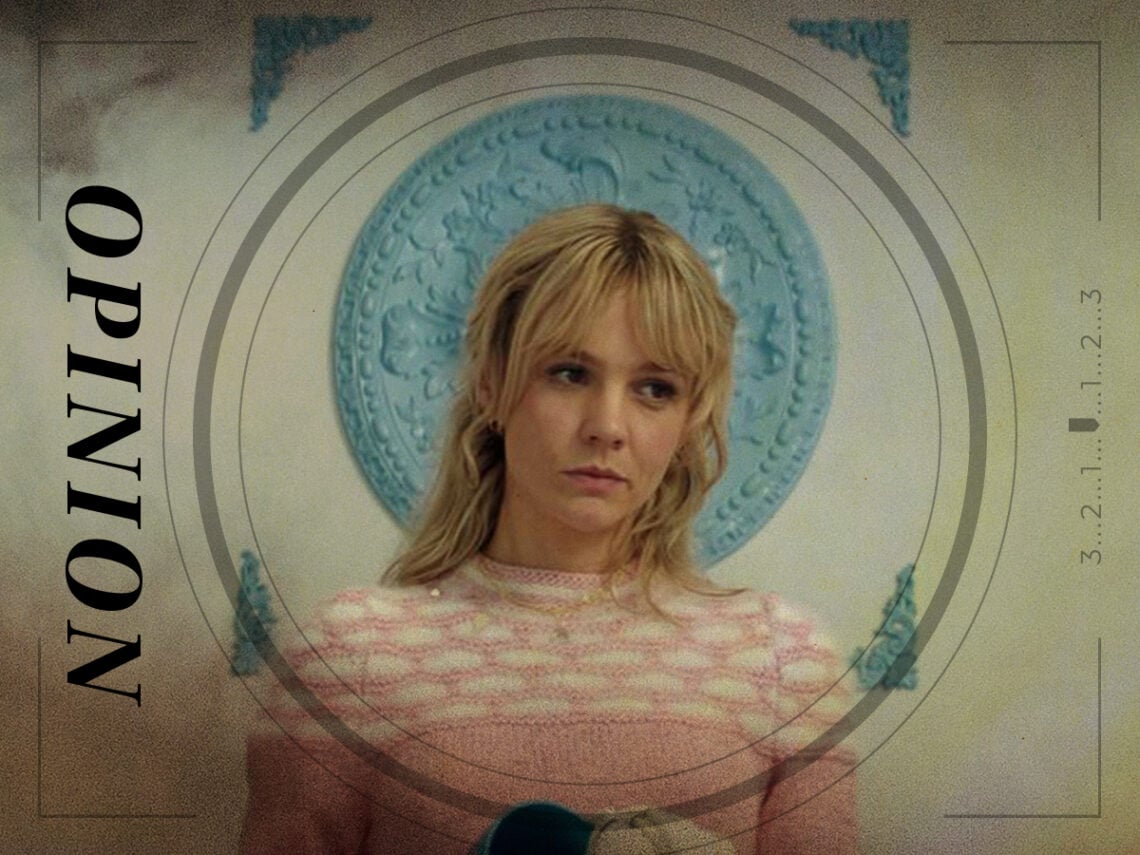
‘Promising Young Woman’: how one movie ruined an entire genre

If there’s one thing we can trust Emerald Fennell to do, it’s to create awful movies that market themselves as being about weight social issues while saying absolutely nothing, hiding behind a glitzy exterior and distracting audiences behind pretty images. In the rise of Tumblr-esque cinema, in which filmmakers prioritise style over substance to appeal to a vapid culture that places appearances above everything else, we have slowly been inundated with a new wave of films that prefer to say nothing and focus on looking good, very much reflecting the ideology that dominates the internet and our ever-fading values.
With the commercial success of Saltburn, it seems as though Fennell is opting for this style of cinema and making it her trademark, something that she will carry into the making of Wuthering Heights.
However, this new trend was started with the creation of her 2020 film Promising Young Woman, which then sparked an era of beautiful yet empty films that exploit current issues in an attempt to add depth, often being actively harmful in their backward portrayal of these issues.
Promising Young Woman follows Cassie in her quest for revenge against her best friends’ rapist, leading to a dark and dangerous journey into the violent psyche of the men who have wronged her. While the premise was indeed promising, with the filmmaker selling the project as a rape revenge story, a response to the normalisation of sexual violence, the film was completely devoid of any nuance or care.
Fennell created a hollow mess that explores this delicate subject matter with no sensitivity, turning it into a #girlboss story that is not empowering in its messaging about how we can move forward from sexual trauma and find peace. It paints Cassie as finding empowerment through planning her own murder, as if dying is the only kind of justice we can aim for in avenging rapists.
This then led to a rise of films that exploit feminist issues to sell more tickets, all without saying anything about the sensitive subject matter at hand and blatantly using it to manipulate their image and come across as an ‘intellectual filmmaker’. We can see it in the recent release of Zoë Kravitz’s film Blink Twice, which is a ‘feminist’ rip-off of Get Out with the most damaging and harmful message at its core again about how victims should respond to sexual violence.
The film ends with the main character marrying her rapist and painting this as an empowering decision because she then has access to his wealth, and he buys her nice jewellery in response to her silence. Silence is not empowering, and neither is being paid to stay with your abuser – no amount of money will earn your peace/healing.
Fennell hit the final nail into the coffin with the release of Saltburn, but her fake exploration of feminist issues in Promising Young Woman causes unprecedented damage to the already damaging narratives in film about sexual assault and how victims should respond to it. Through the subsequent release of Blink Twice, we are now in a feminist cinematic recession in which we are being told that there is significant representation of these stories, all while pedalling dated stereotypes that take the movement backwards and make it so much harder to make any progress at all.
